📌 Disclaimer
Prices, schedules, tour details, flight routes, visa requirements, and all other information on this page are based on data at the time of writing. Fares, availability, and policies may change. Please verify current details on the official website before booking.
Why Visit Brussels ?#
📌 More about Brussels
As you stroll through the streets of Brussels, the scent of freshly baked waffles wafts through the air, mingling with the rich aroma of chocolate. The city is a delightful blend of historical architecture and modern vibrancy, where Gothic spires meet contemporary art installations. This capital of Belgium is not only the de facto capital of the Europe an Union but also a hub of cultural exchange, making it an ideal destination for travelers seeking both history and modernity.
Brussels is renowned for its stunning architecture, including the iconic Grand Place, a UNESCO World Heritage site that captivates visitors with its ornate guildhalls and the impressive Town Hall. The city is also a melting pot of languages and cultures, offering a unique experience that reflects its diverse population. From its beautiful parks to its lively neighborhoods, Brussels invites exploration and discovery at every turn.
Best Time to Visit Brussels#
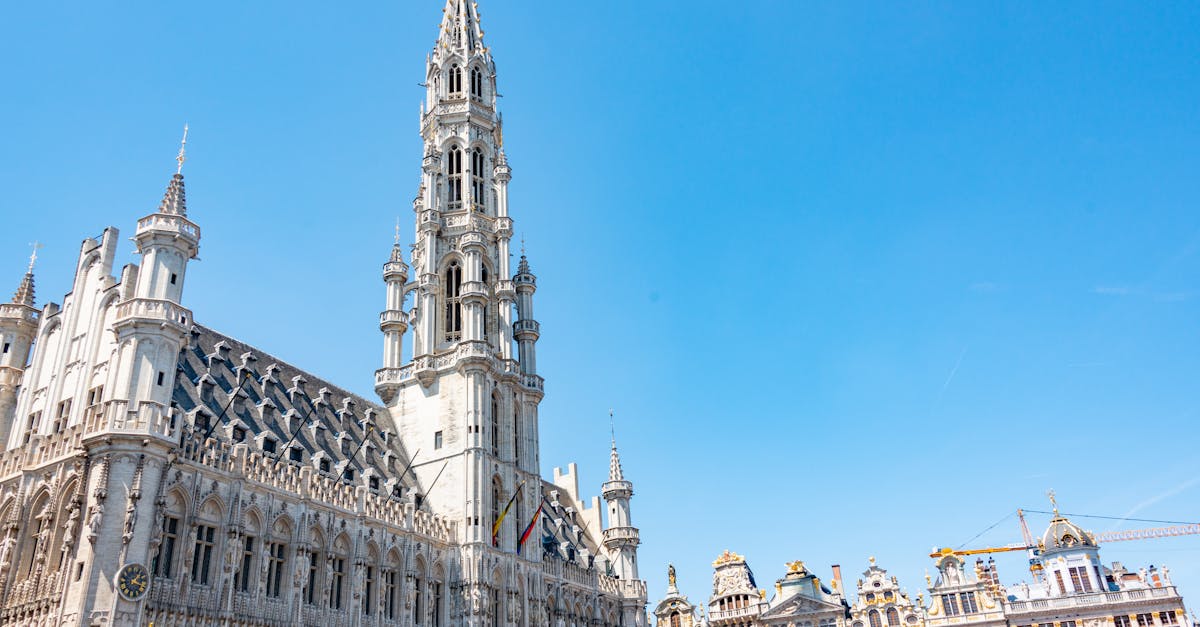
Brussels experiences a temperate maritime climate, with mild summers and cool winters. The best time to visit is during the spring months of April to June, when the weather is pleasantly warm, and the city’s gardens bloom with colorful flowers. This period also sees fewer crowds compared to the peak summer months, making it easier to enjoy attractions without the hustle and bustle.
Summer, from July to August, is the peak tourist season, where you can expect lively outdoor festivals and events, but be prepared for larger crowds and higher prices. The average temperature hovers around the mid-70s°F, ideal for outdoor activities. Autumn, particularly September to October, offers a lovely transition with cooler temperatures and stunning fall foliage. Winter, although chilly, has its charm, especially with Christmas markets lighting up the city, but be sure to bundle up as temperatures can drop to the low 30s°F.
Where to Stay in Brussels#
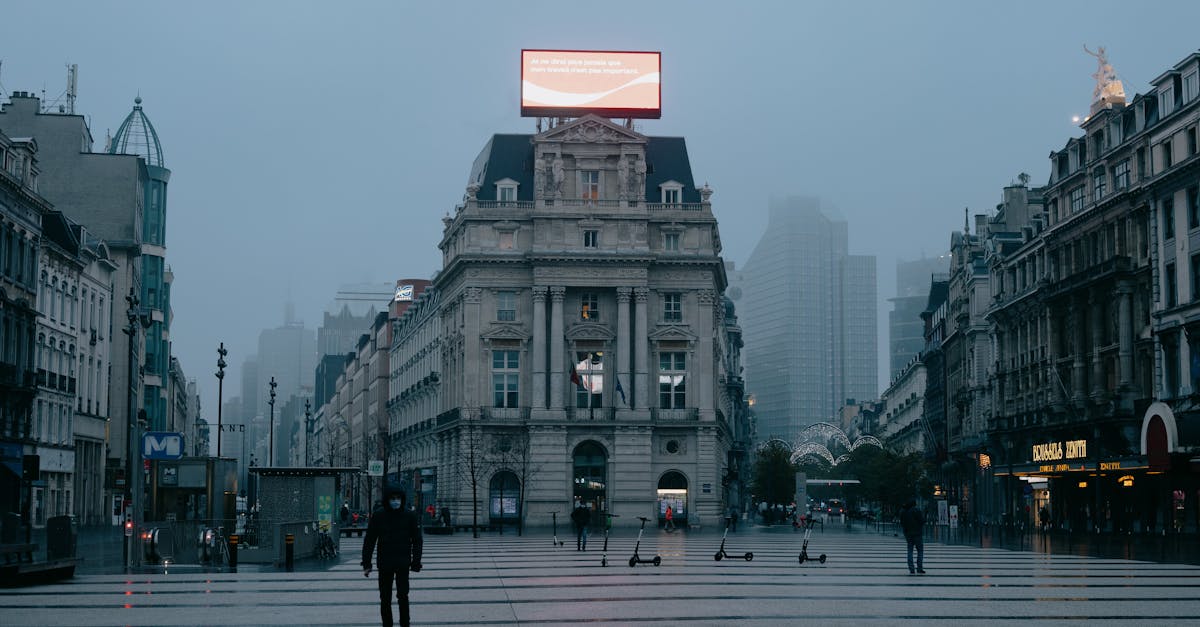
When planning your stay in Brussels, consider the character of each neighborhood to find the perfect fit for your visit. The City Centre is ideal for first-time visitors, offering easy access to major attractions like the Grand Place and Manneken Pis. Budget hotels in this area typically start around $30-50 per night, while mid-range options can range from $100-200, providing comfort close to the action.
For a more local experience, Ixelles boasts a trendy atmosphere with a mix of cultures. This neighborhood is famous for its lively cafés and shops. Here, you can find budget accommodations as well as boutique hotels that cater to various price points. Saint-Géry is another fantastic choice, known for its lively nightlife and artistic vibe, making it popular among younger travelers, while still offering a range of lodging options.
For luxury seekers, Sablon is an upscale neighborhood filled with art galleries, antique shops, and fine dining. Staying here allows for a more refined experience, with elegant hotels and easy access to both cultural sites and shopping districts.
Top Things to Do in Brussels#

A visit to Brussels wouldn’t be complete without a stop at the Atomium, an iconic building and museum that resembles an iron crystal magnified 165 billion times. This architectural marvel offers panoramic views of the city from its observation deck, making it a must-see for photography enthusiasts. Nearby, the Mini-Europe park showcases miniature versions of famous European landmarks, providing a fun and educational experience for families.
The Royal Palace of Brussels serves as the official palace of the King and Queen of the Belgians. While the palace is not open to the public year-round, the surrounding park is perfect for a leisurely stroll or a picnic. Just a short walk away is the Magritte Museum, dedicated to the surrealist artist René Magritte, showcasing an extensive collection of his works that will intrigue art lovers.
For a taste of local history, head to the Museum of the City of Brussels, located in a stunning building on the Grand Place. Here, you’ll learn about the city’s evolution and its significance through the ages. Another delightful stop is the Horta Museum, situated in the former home of architect Victor Horta, a pioneer of the Art Nouveau movement. The museum is beautifully preserved, providing insight into Horta’s life and work.
No trip to Brussels is complete without indulging in some chocolate shopping. The Chocolate Museum offers tastings and demonstrations, allowing you to appreciate the craftsmanship behind this beloved treat. For something a bit off the beaten path, visit the Parc du Cinquantenaire, a large public park that features impressive arches and museums, perfect for a quiet afternoon away from the city’s hustle.
Lastly, make sure to witness the quirky charm of the Manneken Pis, a small bronze statue of a boy urinating. This iconic figure embodies the city’s sense of humor and is often dressed in various costumes throughout the year, making it a fun photo opportunity.
Food and Dining Guide#

Brussels is a food lover’s paradise, offering a variety of local dishes that reflect its culinary traditions. Start your culinary journey with Moules-Frites, a classic dish of mussels served with crispy fries, often enjoyed in a cozy brasserie. Another worth trying is the Carbonnade Flamande, a hearty beef stew cooked with beer, which showcases the country’s brewing prowess.
Waffles are a beloved snack in Brussels, and you’ll find two main styles: the Brussels waffle, light and crispy, and the Liège waffle, denser and sweeter, often topped with powdered sugar or chocolate. Street vendors serve these delicious treats fresh, making them a perfect on-the-go option. Don’t miss out on sampling some of the city’s famous chocolates, with numerous shops offering artisanal selections that are sure to satisfy your sweet tooth.
For a more upscale dining experience, explore the city’s diverse restaurants that serve everything from traditional Belgian fare to international cuisine. Speculoos, a spiced shortcrust biscuit, is another local favorite that pairs perfectly with coffee. Whether you dine at a casual café or a fine restaurant, Brussels’ culinary scene is bound to impress.
Getting Around Brussels#

Navigating Brussels is straightforward, thanks to its efficient public transportation system. The Brussels Metro is the quickest way to traverse the city, with trains running frequently between major attractions. Additionally, tram and bus services complement the metro, making it easy to reach areas that are a bit further out. Purchasing a multi-day pass can save you money if you plan to use public transport frequently.
Walking is another excellent way to explore the city, especially in the compact city center, where many attractions are located within a short distance of each other. The charming streets and squares are best experienced on foot, allowing you to discover local shops and cafés along the way.
If you prefer a more flexible option, taxis and rideshare services are readily available. For those who wish to explore the surrounding areas or venture further afield, renting a car can be convenient, but be mindful of parking regulations and potential traffic congestion in the city.
Budget Breakdown#

Understanding your budget is crucial for a smooth trip to Brussels. For budget travelers, daily expenses can range from $60-100, including hostel accommodations, street food meals, and public transport. Mid-range travelers can expect to spend around $150-250 per day, allowing for comfortable hotels, dining at casual restaurants, and some entry fees for attractions.
Luxury travelers should budget upwards of $300 per day, which would cover upscale hotel stays, fine dining experiences, and private tours or transportation. Regardless of your budget, Brussels offers a variety of options that make it possible to enjoy the city’s offerings without overspending.
Travel Tips for Brussels#

Language is an important consideration when visiting Brussels. While many locals speak English, especially in tourist areas, knowing a few basic phrases in French or Dutch can enhance your experience and show respect for the local culture.
Currency in Belgium is the Euro, and while credit cards are widely accepted, it’s wise to carry some cash for smaller establishments or street vendors that may not accept cards.
Safety is generally not a concern in Brussels, but like any major city, it’s essential to stay vigilant, especially in crowded areas. Keep an eye on your belongings and be cautious of pickpockets in tourist hotspots.
Tipping in Belgium is not obligatory, but rounding up your bill or leaving small change is appreciated in restaurants. In bars, leaving a euro or two for good service is common.
Cultural Etiquette is also worth noting. Belgians value politeness, so greeting locals with a friendly “Bonjour” or “Goedemorgen” can go a long way.
Lastly, pack accordingly for the weather. Brussels can be unpredictable, so layering is key. A light rain jacket is advisable, especially if you plan to explore the city on foot.
With its charm, history, and culinary offerings, Brussels stands out as a captivating destination for American travelers. Whether you’re wandering through its historic streets or savoring local dishes, this city promises an enriching experience that will leave a lasting impression.