📌 Disclaimer
Prices, schedules, tour details, flight routes, visa requirements, and all other information on this page are based on data at the time of writing. Fares, availability, and policies may change. Please verify current details on the official website before booking.
Why Visit Brindisi?#
The scent of salt spray hits you the moment you step off the train, carried by a breeze that has traveled across the Adriatic Sea to settle against the limestone walls of the port. Brindisi serves as the quiet, sturdy gateway to the Salento peninsula, a city that does not clamor for your attention with manicured tourist traps but instead offers a grounded look at daily life in Puglia. It is a place of ancient maritime history, where the Roman Appian Way famously ends at the water’s edge, marked by towering columns that have watched ships come and go for two millennia.
Choosing this city means opting for authenticity over manufactured charm. While other Italian coastal towns might feel like open-air museums, Brindisi maintains a functional, working-class energy that feels refreshingly honest. You will find grand piazzas where locals gather for evening coffee, narrow alleys that lead to quiet churches, and a waterfront promenade that invites long, aimless walks. It is an ideal base for travelers who want to explore the surrounding olive groves and smaller coastal villages without the frantic pace of more famous Italian destinations.
Best Time to Visit Brindisi#
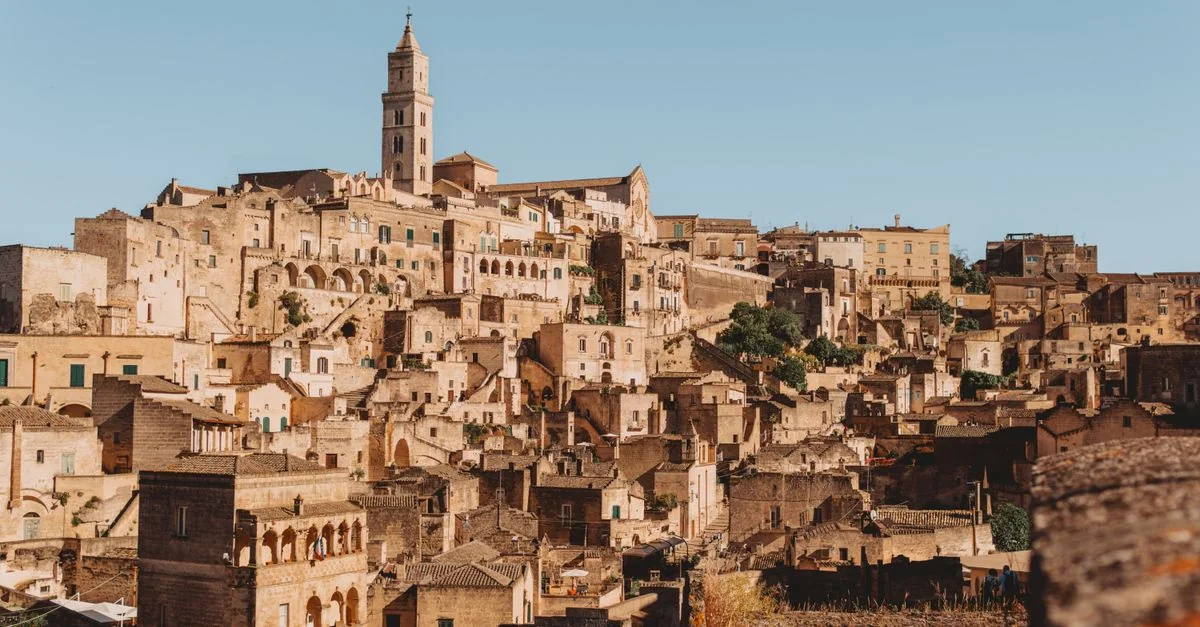
Planning your trip depends largely on your tolerance for the southern Italian sun. During the peak summer months of July and August, the temperature climbs significantly, and the city enters a slow, siesta-heavy rhythm. While the sea is perfect for swimming, the midday heat can make sightseeing difficult. Prices for accommodation reach their highest point during this time, and the city sees a noticeable increase in domestic travelers heading to the nearby beaches. If you prefer long days of sun and do not mind the heat, this is your season, but be prepared for high demand.
For those who want to avoid the heaviest crowds while still enjoying warm weather, the shoulder seasons of May, June, September, and October are ideal. During these months, the temperatures are comfortable enough for walking through the city center without exhaustion, and the local restaurants are less overwhelmed. Prices for lodging tend to be more competitive than in mid-summer, and you will have a much easier time finding space at your favorite cafe.
Winter in Brindisi is mild, though it can be breezy and damp. While you will not be swimming, this is the most affordable time to visit, and you will likely have the historical sites almost entirely to yourself. Many of the seasonal beach clubs close, but the city’s indoor museums and restaurants remain open, offering a quiet, introspective experience. If you are traveling on a strict budget, November through March offers the lowest rates for flights and accommodation, provided you bring a sturdy jacket and an umbrella.
Where to Stay in Brindisi#
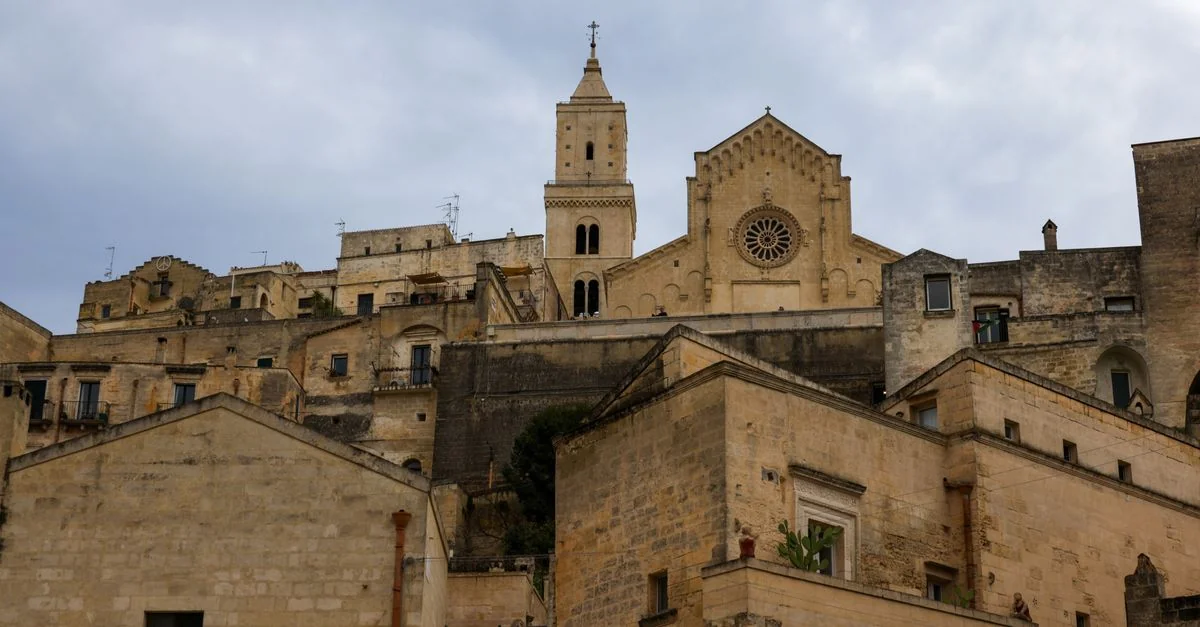
Choosing your neighborhood depends on whether you prioritize proximity to the water or the quiet charm of the residential districts. The Historic Center is the most popular choice for first-time visitors. Staying here puts you within walking distance of the main monuments and the waterfront. You will find a mix of mid-range boutique guesthouses and higher-end apartments housed in renovated stone buildings. It is a convenient area, though it can occasionally be noisy on weekend evenings when the local social scene spills out into the streets.
If you prefer a more local experience, look toward the Cappuccini district. This residential area offers a glimpse into how residents actually live, with leafy streets and neighborhood markets. You will find more budget-friendly options here, often in the form of family-run bed and breakfasts or apartment rentals. It is a short walk or a quick bus ride to the center, making it a practical choice if you want to save money while still being close to the action.
For travelers who want to be near the sea, the area surrounding the Porto offers a range of options, particularly in the mid-range category. Staying near the waterfront allows you to wake up to the sight of ferries and fishing boats. While some of the older buildings here are being converted into modern lodging, the area remains a functional hub. If you are looking for luxury, there are larger properties located just outside the city center, often situated in restored farmhouses or estates that provide a quieter, more secluded environment with easy access to the highway for day trips.
Top Things to Do in Brindisi#

Walking toward the harbor, the first thing you will notice is the Roman Columns, which have stood as the symbolic end of the Appian Way for centuries. These stone sentinels overlook the water and provide the perfect starting point for a tour of the city. Just a short walk away, the Duomo di Brindisi offers a stark, impressive contrast to the surrounding architecture. Its floor contains a remarkable mosaic that dates back to the 12th century, depicting mythical creatures and historical figures in a style that feels both ancient and remarkably detailed.
For a deeper look into the region’s past, the Museo Archeologico Provinciale Francesco Ribezzo houses an extensive collection of artifacts found in the harbor and the surrounding countryside. The bronze statues discovered underwater are particularly striking, showcasing the city’s long-standing connection to Mediterranean trade. If you prefer to stay outdoors, a stroll through the Parco Cesare Braico provides a green escape from the limestone streets. This former hospital grounds has been transformed into a public space where locals go to walk their dogs or sit in the shade of large pine trees.
History enthusiasts should not miss the Castello Svevo, a massive fortress that dominates the inner harbor. While it is often used for military purposes and restricted to the public, the exterior architecture is a testament to the city’s strategic importance throughout the medieval period. For a different perspective, the Bastione San Giacomo offers a look at the city’s defensive walls. It is a quiet spot that provides a great vantage point for watching the sunset over the port.
If you have an interest in maritime history, the Monument to the Italian Sailor stands tall across the water. Accessible by a short boat trip, this imposing structure is shaped like a rudder and offers panoramic views of the entire bay. Back on land, the Church of Santa Maria del Casale sits slightly outside the city center. It is worth the short journey to see the intricate frescoes that cover the interior walls, providing a quiet, contemplative atmosphere that feels worlds away from the busy harbor. Finally, simply wandering through the Old Town alleys allows you to stumble upon small, family-owned workshops and hidden piazzas that are not found on any map, capturing the true spirit of the city.
Food and Dining Guide#
Dining in this region is defined by the simplicity of its ingredients, where the quality of the olive oil and the freshness of the seafood do the heavy lifting. You should start your day like a local with a Pasticciotto, a small pastry filled with rich custard that is often eaten warm. It is the quintessential breakfast item in the Salento region and pairs perfectly with a strong espresso. For lunch, look for Orecchiette con Cime di Rapa, a traditional pasta dish made with ear-shaped noodles and bitter broccoli rabe. The combination of the slightly spicy greens and the chewy pasta is a staple of Puglian cooking.
When dinner time arrives, the focus shifts to the catch of the day. You will frequently see Polpo alla Pignata on menus, which is octopus slow-cooked in a terracotta pot until it becomes incredibly tender. It is often served with a simple side of local vegetables or crusty bread to soak up the juices. If you are looking for a quick bite, street food culture here is strong, with vendors selling Panzerotti, which are deep-fried pockets of dough stuffed with tomato and mozzarella. They are inexpensive, filling, and best eaten while walking along the promenade.
For a more formal dining experience, seek out restaurants that emphasize “km zero” ingredients, meaning everything on your plate was sourced from the immediate surrounding area. The local wine, particularly the robust reds from the nearby Primitivo region, is an essential accompaniment to any meal. Avoid restaurants that have large picture menus displayed on the street, as these are generally aimed at tourists. Instead, look for smaller, busy spots where the menu changes daily based on what the local markets provided that morning.
Getting Around Brindisi#
Navigating the city is remarkably straightforward, as the core is highly walkable. Most of the major sights, shops, and restaurants are concentrated in an area that can be traversed on foot in twenty minutes. If you are staying in the center, you will rarely need any form of transport beyond your own two feet. The streets are generally flat, though the traditional stone paving can be uneven, so comfortable walking shoes are a necessity.
For longer distances, the local bus network is efficient and inexpensive. Buses connect the city center to the outskirts, the airport, and the train station. You can purchase tickets at most tobacco shops or newsstands throughout the city. If you prefer a more direct route, taxis are available at designated stands near the harbor and the train station, though they are more expensive than the bus. It is always best to confirm the price before you start your journey, as many local taxis do not use meters for short trips.
If you plan to explore the broader Puglia region, renting a car is the most practical option. The public train system is reliable for connecting to major cities like Lecce or Bari, but it does not reach the smaller coastal towns or the rural olive orchards effectively. Be aware that driving in the city center can be challenging due to narrow streets and limited parking. If you rent a car, look for accommodation that offers private parking, and try to park outside the restricted traffic zones to avoid fines.
Budget Breakdown#
Brindisi is generally more affordable than the major tourist hubs in northern Italy . For budget travelers who stay in hostels or modest guesthouses, rely on local markets for breakfast and snacks, and eat at casual street food stalls, the daily cost is quite manageable. You can easily keep your expenses low by focusing on free activities like walking tours and visiting public parks.
Mid-range travelers can expect to spend more on comfortable boutique hotels and sit-down dinners at local trattorias. This budget allows for occasional taxi rides, guided museum entries, and perhaps a rental car for a few days to explore the countryside. You will find that your money goes further here than in cities like Rome or Florence , allowing for a higher quality of life during your stay without needing a massive budget.
Luxury travelers will find that even at the high end, the costs remain reasonable compared to other Mediterranean destinations. This tier includes staying in restored historic estates or high-end hotels with sea views, dining at the city’s most refined restaurants, and hiring private drivers for day trips. Even at this level, the focus remains on the quality of the experience rather than ostentatious displays of wealth, as the city retains a grounded, understated character.
Travel Tips for Brindisi#
Language is a factor to consider, as English is not as widely spoken here as it is in the primary tourist centers of Italy. Learning a few basic Italian phrases will go a long way in showing respect to the locals. Most people you encounter will be helpful and patient, but having a translation app on your phone can be a useful backup for navigating menus or asking for directions.
Business Hours in southern Italy follow a different rhythm than what you might be used to. Many shops and businesses close in the early afternoon for a long break, often reopening in the late afternoon and staying open until quite late in the evening. Plan your shopping and errands accordingly so you are not caught off guard when you find the city center quiet during the mid-afternoon hours.
Tipping is not expected in the same way it is in the United States . A service charge is often included in your bill at restaurants. If you receive exceptional service, rounding up the bill or leaving a small amount in cash is appreciated, but it is not mandatory. Do not feel pressured to leave a large percentage, as the staff is paid a standard wage.
Sun Protection is essential, especially during the summer months. The southern Italian sun is intense, and the white limestone of the city reflects light, making it feel even warmer. Always carry a hat, sunglasses, and high-SPF sunscreen, and make sure to stay hydrated throughout the day by carrying a reusable water bottle that you can fill at the public fountains found in many piazzas.
Safety in the city is generally high, but like any urban area, you should remain aware of your surroundings. Keep your belongings secure in crowded areas or on public transport. The city is safe to walk in at night, but stick to well-lit main streets if you are unsure of your location. Most issues are minor inconveniences rather than serious threats, and a standard level of common sense is sufficient.
Connectivity is easy to find, as most cafes and restaurants offer free Wi-Fi for their customers. However, if you rely heavily on your phone for navigation, consider purchasing a local SIM card or an international data plan before you arrive. This will ensure you have reliable access to maps and translation services while you are on the move, especially if you are driving through the rural areas outside the city.
📌 Disclaimer
Prices, schedules, tour details, flight routes, visa requirements, and all other information on this page are based on data at the time of writing. Fares, availability, and policies may change. Please verify current details on the official website before booking.
📌 More about Brindisi