📌 Disclaimer
Prices, schedules, tour details, flight routes, visa requirements, and all other information on this page are based on data at the time of writing. Fares, availability, and policies may change. Please verify current details on the official website before booking.
Why Visit Brest?#
The smell of salt spray and roasted buckwheat flour drifts off the harbor, signaling arrival at the edge of the European continent. Located at the very tip of Brittany in northwestern France , this city faces the Atlantic Ocean with a rugged, maritime confidence that sets it apart from the fairy-tale châteaux regions further south. Most American travelers bypass this corner of France, heading instead for Paris or the Mediterranean coast, which means a trip here offers an authentic glimpse into everyday French coastal life without the overwhelming tourist crowds.
The municipality rebuilt itself almost entirely after World War II, replacing medieval stone with functional postwar architecture that prioritizes maritime trade, naval defense, and scientific research. Because of this distinct history, the aesthetic leans toward the industrial and utilitarian, contrasting sharply with traditional postcard France. Yet beneath the concrete surface lies a forward-thinking community driven by oceanography, sailing culture, and a burgeoning arts scene.
Travelers looking for a destination where they can watch massive naval warships glide past historic fortifications, sample butter-heavy regional pastries in neighborhood bakeries, and hike along wild coastal cliffs will find plenty to reward their curiosity here. The weather plays by its own rules, shifting from sudden Atlantic squalls to brilliant sunshine in a matter of hours, adding a moody, cinematic quality to every day spent exploring the docks and windswept shores.
Best Time to Visit Brest#

Planning a trip across the Atlantic requires careful timing, particularly for a destination as weather-dependent as this corner of Brittany. July and August bring the warmest temperatures, with daily highs averaging in the low seventies Fahrenheit, alongside the lowest amount of rainfall. These summer months see the highest concentration of domestic travelers taking advantage of the school holidays, meaning coastal trails and harborfront cafes carry a lively energy. Prices for lodging and car rentals peak during this window, and booking well in advance is essential for American visitors aiming for specific accommodations.
Shoulder season months like May, June, and September offer a rewarding alternative for travelers hoping to avoid heavy crowds. Temperatures during these months hover in the mid-fifties to low sixties, and while Atlantic showers remain a constant possibility, the light is often spectacular for photography. Spring brings blooming gorse along the coastal paths, while early autumn brings a calmer pace as local schools resume. Hotel rates tend to drop noticeably during the shoulder months, and securing a table at popular neighborhood bistros requires far less planning.
The late autumn and winter months, spanning from November through March, test the resolve of even seasoned travelers. Daily highs struggle to reach the mid-fifties, rain is frequent, and strong Atlantic winds batter the sea walls. Accommodation prices hit their annual lows, and certain seasonal attractions close for maintenance. However, for Americans seeking a solitary writer-style retreat or dramatic storm-watching experiences from a cozy harbor-view cafe, the winter season holds a distinct, moody appeal.
Where to Stay in Brest#
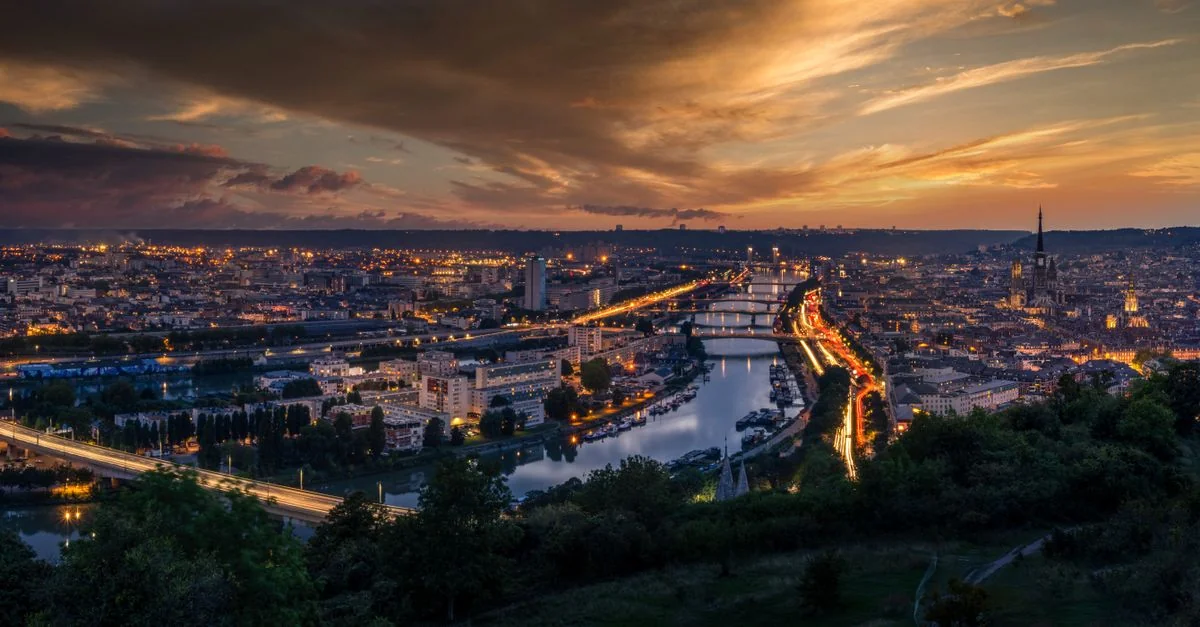
Choosing a neighborhood depends largely on whether the priority is proximity to the water, evening dining options, or quiet residential streets. The Port de Commerce neighborhood appeals directly to travelers who want to step outside their lodgings and immediately see masts swaying in the marina. This area features converted warehouses housing modern apartments and mid-range properties, placing visitors within walking distance of lively pubs, seafood brasseries, and the ferry terminal. Nightlife is most active here, making it a convenient base for socializing.
Further inland, the Centre-Ville, particularly around the main pedestrian drag of Rue de Siam, offers a more urban experience with easy access to shops, department stores, and public transit lines. Lodging options range from budget-friendly guesthouses to comfortable mid-range hotels suitable for families. Staying in the center puts daily errands like grocery shopping or catching a tram quite straightforward, though the lack of historic architecture means the aesthetic is decidedly functional rather than charmingly antique.
For a quieter atmosphere with sweeping views over the Rade de Brest , the Saint-Marc residential district offers charming townhouses and smaller boutique lodgings slightly removed from the commercial bustle. Budget-conscious travelers often find good value in guesthouses located here, while still enjoying a twenty-minute walk down to the harbor. Alternatively, the Quartier de l’Europe offers modern, functional accommodation blocks favored by business travelers and those with vehicles who prioritize easy parking and quick access to the main highway ring road over scenic pedestrian strolls.
Top Things to Do in Brest#
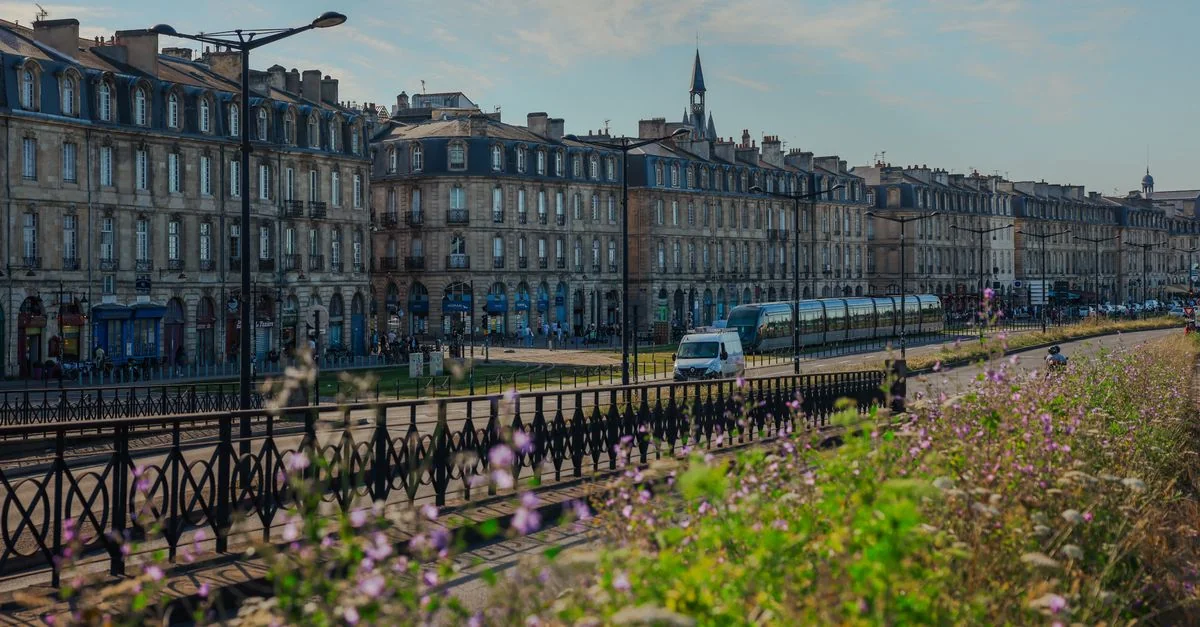
Rising above the harbor, the Château de Brest anchors the city’s maritime history with medieval stone walls that have withstood sieges for centuries. Today, the fortress houses the National Navy Museum, where visitors can explore models of historic warships, navigational instruments, and artwork depicting naval battles. Walking the ramparts provides sweeping views of the military harbor and the civilian docks below, establishing an immediate sense of the region’s strategic importance.
A short distance away, the National Botanical Conservatory offers a lush escape into rare plant conservation. This sprawling green space focuses on saving endangered flora from around the globe, featuring extensive outdoor gardens, walking trails, and massive glass greenhouses simulating tropical and oceanic climates. It serves as a tranquil counterpoint to the industrial energy of the port, allowing visitors to wander among ferns, succulents, and seasonal blooms in total quiet.
Hovering high above the water, the Brest Cable Car connects the city center to the Capucins plateau across the Penfeld River. This urban ropeway was the first of its kind in France, featuring transparent cabins that offer a bird’s-eye view of the naval base, the historic workshops, and the expansive harbor. The ride takes only a few minutes, delivering passengers directly to Ateliers des Capucins, a massive former naval workshop transformed into a cultural hub containing a multimedia library, exhibition spaces, and indoor climbing walls.
Marine life enthusiasts will find plenty to occupy an afternoon at Oceanopolis, a massive ocean discovery center located on the eastern edge of the harbor. The facility divides its exhibits into polar, tropical, and temperate pavilions, allowing visitors to walk through glass tunnels surrounded by sharks, watch playful otters, and learn about the deep-sea exploration vessels that call the local port home. It stands as one of the premier marine science centers in Europe, blending education with immersive visual displays.
History and engineering buffs should make time to visit the Polder de Saint-Marc and the surrounding industrial heritage sites, while those seeking fresh air can walk along the coastal footpath known as the GR34. This legendary long-distance trail snakes along the cliff edges just outside the city limits, offering dramatic vistas of the rocky coastline, hidden coves, and crashing Atlantic waves. For a unique afternoon excursion, catching a ferry across the roadstead to the peaceful village of Landerneau reveals a historic town famous for its inhabited medieval bridge and contemporary art exhibitions housed in historic wool-merchant houses.
Food and Dining Guide#
Dining in this region revolves around the rich bounty of the Atlantic Ocean and the rustic agricultural traditions of the Breton countryside. The local food culture celebrates simplicity and high-quality ingredients, with an emphasis on salted butter, fresh seafood, and fermented apples. Because the climate favors hardy crops and coastal foraging, menus lean heavily toward what the sea and soil provide on any given day.
The most iconic regional dish is the Galette de Sarrasin, a savory buckwheat crepe traditionally filled with Gruyère cheese, ham, and a runny egg. Unlike sweet dessert crepes made from white wheat flour, these dark, earthy pancakes are griddled until crisp on the edges and serve as the staple meal at traditional creperies throughout the city. Paired with a bowl of Cidre Breton, a dry and slightly tart local cider served in a ceramic bowl rather than a glass, this makes for an authentic and filling lunch.
Seafood lovers will want to sample Kig Ha Farz, a hearty Breton boiled dinner that resembles a New England boiled dinner but incorporates a dense buckwheat pudding boiled in a cloth sack alongside pork, beef, and root vegetables. For a lighter catch, local fish markets supply restaurants with fresh Huitres de Bretagne, renowned oysters harvested from nearby bays, as well as spider crabs, sea bass, and mussels cooked in white wine and shallots.
For dessert, Kouign-Amann provides a sugar-and-butter rush unlike almost any other pastry in the world. Layers of bread dough are folded with massive amounts of salted butter and sugar, resulting in a caramelized, flaky cake that is crisp on the outside and wonderfully chewy inside. Casual street food is less common here than in Paris, but local bakeries and food trucks stationed near the port offer fresh sandwiches, quiches, and savory tarts for travelers on the move. For a sit-down meal, neighborhood bistros near the Port de Commerce serve daily lunch specials featuring catch-of-the-day fish paired with locally grown potatoes.
Getting Around Brest#
Navigating the city relies on an integrated public transit network operated by Bibus, which includes a modern tram line and an extensive bus system. The tram runs frequently, connecting the northern residential zones straight through the city center to the southern transport hubs, making it the most efficient way to travel without a vehicle. Tickets can be purchased at station kiosks via contactless credit cards or euro coins, and validating the ticket upon boarding is mandatory.
Walking works well for exploring the compact city center, the immediate harbor area, and the Capucins district via the cable car. However, travelers should note that the terrain involves steep inclines as the streets slope down toward the water, meaning comfortable walking shoes with good traction are essential. Sidewalks are well-maintained, though some historic paths near the old fortifications feature uneven cobblestones.
Taxis are readily available at designated stands near the railway station and the marina, though hailing one on the street is uncommon. Ride-sharing apps operate on a limited scale compared to major American metropolises, so relying on local taxi dispatch numbers or hotel front desks to book rides proves more reliable. Renting a car is unnecessary for exploring the urban core, but having a vehicle becomes valuable for travelers planning day trips out to the rugged Crozon Peninsula or surrounding rural villages where public bus routes run less frequently.
Budget Breakdown#
Traveling through this region offers solid value for American tourists, particularly when compared to the high costs associated with Paris or the French Riviera. Daily expenses depend heavily on accommodation choices and dining preferences, with costs generally following predictable tiers.
Budget travelers can expect daily expenses to range from $60 to $90 USD per person. This tier involves staying in youth hostels or basic guesthouses, where rates typically start around $40 to $60 per night. Meals consist of bakery sandwiches, market picnics, and casual creperie visits, supplemented by public transit passes costing just a few dollars a day. Free activities like walking the coastal trails, exploring public parks, and viewing historic architecture keep entertainment costs low.
Mid-range travelers typically spend between $150 and $250 USD per day. This budget covers comfortable three-star hotels near the harbor or city center, with nightly rates averaging $100 to $160. Dining includes sit-down lunches and dinners at traditional bistros and seafood restaurants, along with museum entry fees and occasional taxi rides when walking becomes impractical.
Luxury travelers can expect daily expenditures to start around $350 USD and climb upward. This tier includes upscale boutique accommodations with harbor views, private vehicle rentals or chauffeured transport for day trips, and fine-dining experiences featuring high-end seafood and regional wine pairings. Premium excursions, such as guided boat tours of the roadstead or private architectural tours, round out the upper-tier experience.
Travel Tips for Brest#
Language and Communication is easier than many Americans expect, though making an effort to speak basic French goes a long way with locals. While younger residents and tourism staff speak English fluently, older shopkeepers and market vendors appreciate a polite “Bonjour” upon entering an establishment, which instantly shifts the interaction to a warmer, more welcoming tone.
Tipping Culture operates differently than in the United States . Service charges are automatically included in restaurant bills by French law, so additional tipping is not required. However, leaving loose change or a few euros in paper currency for exceptional service at a bistro is appreciated by waitstaff, though it is viewed as a bonus rather than an expected obligation.
Weather Preparedness requires packing for all four seasons in a single suitcase. Even during summer months, sudden Atlantic fronts can bring brisk winds and rain showers, making a waterproof jacket and layered clothing essential items. Umbrellas often prove useless against coastal gusts, so a sturdy windbreaker with a hood works far better for outdoor exploration.
Store Hours and Closures follow traditional French schedules that can surprise American visitors. Many independent shops, bakeries, and restaurants close for lunch between noon and two o’clock, and Sunday and Monday are common days for businesses to remain shuttered entirely. Planning grocery shopping and dining reservations around these closures prevents unexpected hunger.
Electrical Outlets require standard European adapters with two round prongs operating on 230 volts. American devices like phone chargers and laptop bricks operate on dual voltage and will work safely with a simple plug adapter, but heating appliances such as hair dryers and curling irons require a voltage converter to prevent damage.
Credit Card Acceptance is widespread throughout the city, with contactless payments accepted at virtually all restaurants, shops, and transit kiosks. However, carrying a small amount of cash in euros remains useful for purchasing small items at outdoor farmers’ markets or paying for services at automated parking meters where foreign credit cards occasionally fail to process.
📌 Disclaimer
Prices, schedules, tour details, flight routes, visa requirements, and all other information on this page are based on data at the time of writing. Fares, availability, and policies may change. Please verify current details on the official website before booking.
📌 More about Brest