📌 Disclaimer
Prices, schedules, tour details, flight routes, visa requirements, and all other information on this page are based on data at the time of writing. Fares, availability, and policies may change. Please verify current details on the official website before booking.
Why Visit Bornholm?#
The distinct aroma of smoked herring drifts from neighborhood smokehouses across the island, mixing with the sharp scent of pine and salt spray from the Baltic Sea. Bornholm sits isolated far to the east of the Danish mainland, closer to Sweden and Poland than to Copenhagen, and this geographic independence shapes everything from its landscape to its slow-paced daily life. Massive granite cliffs drop sharply into deep blue water along the northern coast, while the southern edge features wide, white-sand beaches so fine that the sand was historically used in hourglasses.
Travelers seeking a slower pace often find themselves drawn to this island because it offers a rare combination of Nordic efficiency and Mediterranean-like sunshine, boasting some of the highest annual sunshine hours in Denmark . The light here has attracted painters for centuries, casting a golden hue over circular medieval churches and half-timbered fishing villages. Unlike the heavily commercialized tourist centers elsewhere in Europe , Bornholm maintains an authentic working atmosphere where pottery studios, glassblowing workshops, and organic farms operate alongside historic fishing ports, inviting visitors to observe traditional crafts in real time.
Best Time to Visit Bornholm#
The island transforms dramatically across the four seasons, making the timing of your trip crucial for your preferred style of travel. Summer, specifically July and August, brings warm temperatures ranging from the low to mid-70s Fahrenheit, long daylight hours, and fully operational seasonal cafes and ferry schedules. This peak period draws families from mainland Denmark and Germany , resulting in higher accommodation rates and the need to reserve rental cars and guesthouses well in advance. Crowds gather around the most popular coastal towns, yet the interior forests and quiet paths still offer peaceful escapes for hikers and cyclists.
Shoulder season months, including May, June, and September, offer a compelling alternative for travelers hoping to avoid heavy crowds while still enjoying pleasant weather. May brings blooming rapeseed fields that paint the rolling hills bright yellow, while September delivers mild temperatures and the annual island-wide harvest festivals. During these months, lodging prices drop significantly, and the local artisans have more time to chat in their workshops. Winter on Bornholm is intensely quiet and rugged, with freezing temperatures, roaring coastal winds, and many seasonal businesses closing entirely, though resilient travelers find profound solitude and dramatic storm-watching opportunities from November through February.
Where to Stay in Bornholm#
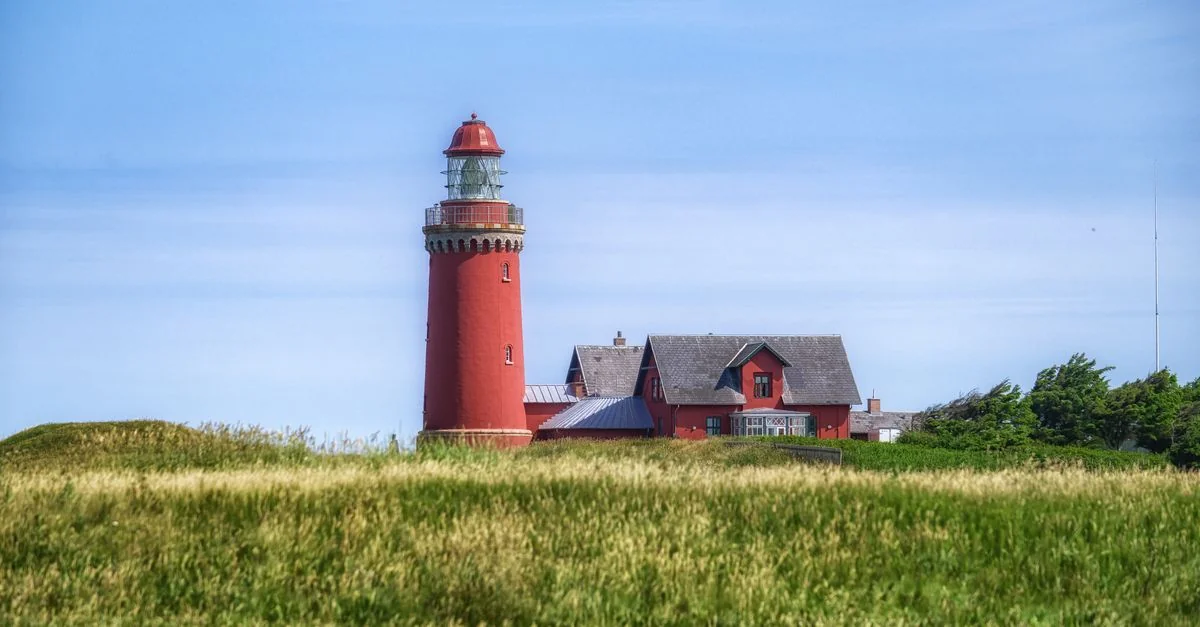
Choosing a base depends entirely on whether you prefer dramatic coastal cliffs or wide sandy shores. Rønne serves as the main arrival port and transportation hub, making it an ideal neighborhood for travelers arriving without a car or those who prefer a mix of urban conveniences, historical museums, and varied dining options. Accommodations here range from budget-friendly guesthouses starting around $70 to $100 per night to mid-range townhomes and boutique inns. Staying in Rønne provides easy access to public bus lines that radiate outward to every corner of the island, though it lacks the storybook charm of the smaller fishing hamlets.
For dramatic coastal scenery, the northern tip around Allinge and Sandvig offers a dramatic landscape of granite rocks, steep cliffs, and historic smokehouses. This area features mid-range seaside hotels and charming bed-and-breakfasts where rooms typically cost between $130 and $220 per night, with sweeping Baltic views right from the window. Visitors seeking upscale comfort often choose private luxury vacation rentals perched along the northern bluffs, where high-end amenities and complete privacy command nightly rates upwards of $300. These northern villages put you within walking distance of medieval fortress ruins and rocky swimming coves.
Down on the southern coast, Dueodde attracts travelers whose primary goal involves pristine beaches and pine forests. Accommodations here consist largely of modern holiday complexes, rental cabins, and family-friendly campgrounds. Prices in the south lean toward the mid-range spectrum, making it popular for vacationers looking to step straight from their front door onto powdery white dunes. The atmosphere here is deeply relaxing, prioritizing early morning beach walks and quiet evenings over nightlife and shopping.
Top Things to Do in Bornholm#
Exploring the island reveals a landscape shaped by ancient geology and centuries of human craftsmanship. Perched high on a northern cliff, Sandvig transitions into the dramatic stone faces surrounding Hammeren, the massive granite headland at the absolute tip of the island. A hike around this northern promontory leads you to Opal Lake, a deep emerald quarry pool where a zipline cuts across the water for adventurous visitors. Just a short walk away, the imposing fortress ruins of Hammershus sprawl across the hillside, offering a tangible connection to the Middle Ages. Visitors can wander through the massive stone halls of northern Europe’s largest medieval castle ruin, taking in panoramic views of the sea toward Sweden on clear days.
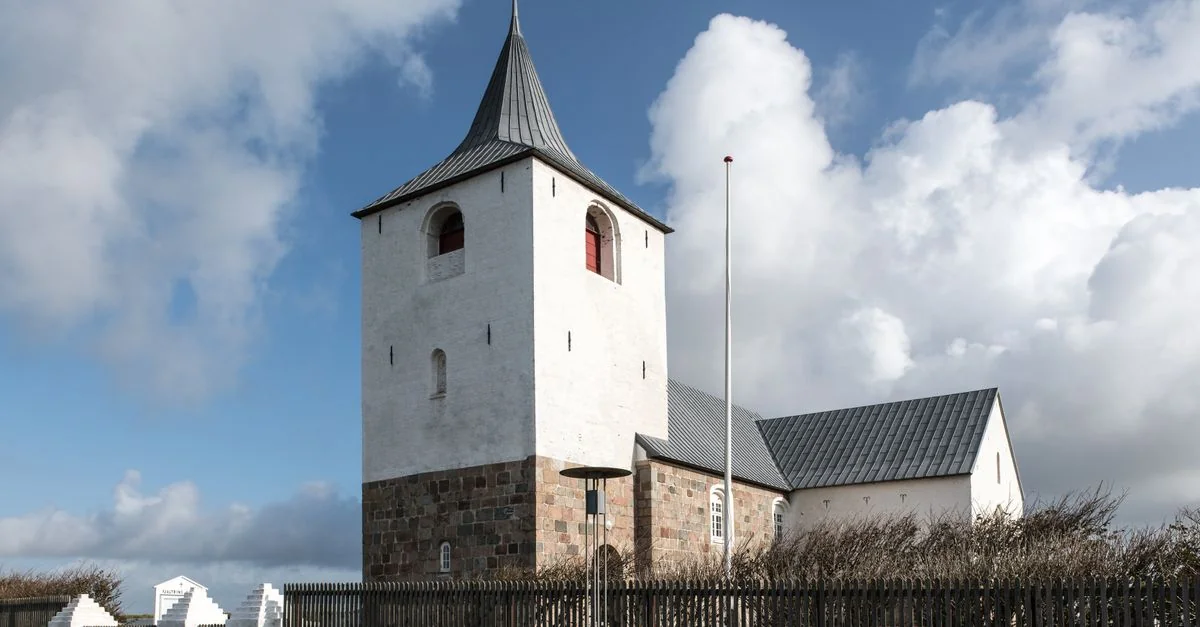
Moving toward the interior and eastern parishes, the landscape shifts to rolling farmland dotted with the island’s famous architectural icons. Østerlars Church stands out as the largest and most striking of the four round churches on the island. Built in the 12th century, its thick whitewashed walls and conical roof served both as a place of worship and a defensive stronghold against pirates. Inside, the central stone column features colorful medieval frescoes depicting biblical scenes, creating a solemn, echoing interior space. Further south, the shifting sands of Dueodde Beach invite long walks where the sand is so fine it squeaks beneath your footwear. Visitors can climb the tall Dueodde Lighthouse for a sweeping perspective of the southern coastline and the surrounding pine plantations. Art enthusiasts should allocate an afternoon to explore the cliffside Bornholm Art Museum, which showcases local modernist paintings, ceramics, and striking modern architecture that juts out over the coastal rocks. Finally, wandering the cobblestone lanes of Gudhjem reveals steep hillside terraces, smokehouses with distinctive white chimneys, and artisan workshops where local glassblowers and potters display their wares directly to the public.
Food and Dining Guide#
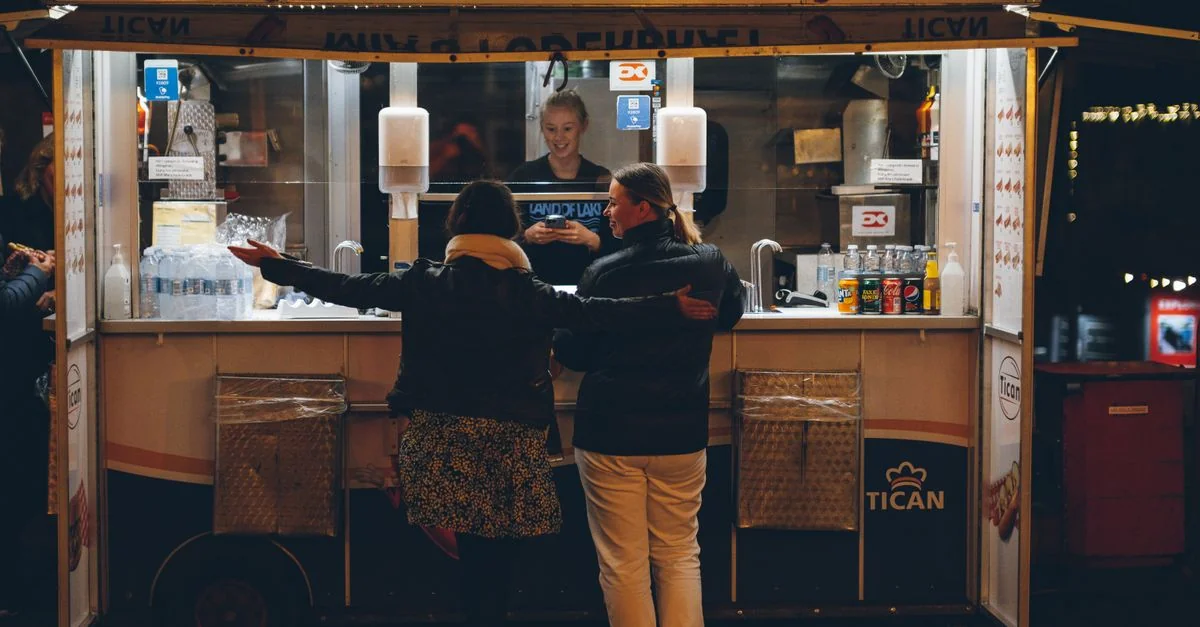
The culinary identity of the island is deeply tied to the sea and the preservation methods of past centuries. Traditional smokehouses, easily identified by their tall, square black chimneys with louvered ventilation roofs, serve as the quintessential dining landmarks. The undisputed king of local cuisine is Sol over Gudhjem, which translates literally to “Sun over Gudhjem.” This dish consists of smoked herring served on dark rye bread, topped with raw egg yolk, radishes, and chives, creating a rich and savory flavor profile that locals have enjoyed for generations. Another regional specialty is Krølle Bølle pølse, a heavily spiced local sausage named after a famous island troll character, typically grabbed from casual street food stands during outdoor festivals.
For a refined sit-down meal, modern farm-to-table restaurants focus heavily on hyper-local ingredients, utilizing root vegetables grown in the mineral-rich soil, wild herbs foraged from the coastal cliffs, and fresh cod or flounder caught daily by local fishermen. Røget sild, or plain smoked herring, is served warm straight from the kiln at historic smokehouses where diners sit at long communal wooden tables outdoors. Pair your meal with Bornholm cherry wine, a surprisingly complex local vintage produced from orchards that thrive in the island’s unique microclimate. While casual bakeries offer sweet pastries like Bornholmerhjulet, upscale dining rooms in the coastal towns require advance reservations during the summer months due to limited seating and high demand from visiting food enthusiasts.
Getting Around Bornholm#
Navigating the island requires some planning, as there are no trains connecting the towns. The public bus network, operated by BAT, covers the entire island efficiently with regular routes connecting Rønne to all major villages. Buses are clean and reliable, but schedules thin out during weekends and the off-season, making them better suited for patient travelers on a relaxed timetable. Renting a bicycle is exceptionally popular, supported by a network of dedicated cycling paths that follow old railway lines and coastal roads, allowing visitors to experience the landscape at a gentle pace.
For maximum flexibility and efficiency, renting a car remains the top recommendation for American travelers. Rental agencies operate out of the Rønne airport and ferry terminal, with compact cars starting around $50 to $80 per day depending on the season. Roads are well-paved, clearly signposted, and feature low speed limits that encourage safe, stress-free driving through the countryside. Taxis are available in Rønne and near major transport hubs, but hailing one spontaneously in rural areas is difficult, so pre-booking via phone or local apps is necessary if you choose not to drive.
Budget Breakdown#
A trip to the island can be tailored to various spending styles, though Denmark generally sits on the higher end of European travel costs. Budget travelers keeping expenses low by staying in hostels or campsites, utilizing the public bus network, and preparing meals from supermarket ingredients can expect to spend between $60 and $100 per day in USD. This tier relies on free natural attractions like hiking the coastal paths, swimming at public beaches, and self-catering.
Mid-range travelers staying in comfortable guesthouses or standard hotels, renting a car, dining at casual cafes and smokehouses, and paying for museum admissions will typically spend between $150 and $250 per day in USD. This comfortable middle tier allows for spontaneous stops at artisan workshops and relaxed dinners without constantly monitoring every expense. Luxury travelers booking boutique coastal hotels, private vehicle rentals, fine dining tasting menus, and guided private tours should budget upwards of $400 to $600-plus per day in USD to cover premium accommodations and high-end culinary experiences.
Travel Tips for Bornholm#
Currency and payments make traveling straightforward, as Denmark operates on the Danish Krone, yet the island is almost entirely a cashless society. Credit and debit cards are accepted everywhere, from rural farmstands selling potatoes on the honor system to high-end restaurants, meaning you rarely need to handle physical banknotes.
Language barriers are practically nonexistent for English-speaking travelers, as nearly all residents, especially those working in tourism, hospitality, and retail, speak fluent English with impressive proficiency. Learning a few basic Danish phrases like “tak” for thank you is always appreciated, but you will never struggle to communicate.
Packing for the weather requires layers regardless of the season, because maritime winds can drop the perceived temperature quickly even on sunny afternoons. Bring a durable windproof and waterproof jacket, sturdy walking shoes for uneven cliffside trails, and swimwear for the sandy southern beaches.
Shop local culture by respecting the traditional crafts studios scattered across the countryside, where potters and glassblowers often work right in front of visitors. Many smaller roadside stands operate on trust, where you simply drop cash into a box or use a mobile payment app to pick up fresh berries, eggs, or handmade jams.
Ferry and flight reservations must be secured well in advance if you plan to visit during the peak summer months or around holiday weekends. Ferries departing from Sweden or mainland Denmark fill up quickly with vehicles, so booking your crossing alongside your lodging ensures your itinerary remains on track.
📌 Disclaimer
Prices, schedules, tour details, flight routes, visa requirements, and all other information on this page are based on data at the time of writing. Fares, availability, and policies may change. Please verify current details on the official website before booking.
📌 More about Bornholm