📌 Disclaimer
Prices, schedules, tour details, flight routes, visa requirements, and all other information on this page are based on data at the time of writing. Fares, availability, and policies may change. Please verify current details on the official website before booking.
Why Visit Bordeaux ?#
📌 More about Bordeaux
The scent of fresh pastries wafts through the air as you stroll along the elegant boulevards, mingling with the earthy aroma of nearby vineyards. Bordeaux, a city in southwestern France , is renowned for its wine, but it offers so much more than just that. With its stunning 18th-century architecture, thriving arts scene, and a long history that dates back to Roman times, Bordeaux invites travelers to explore a blend of tradition and modernity. The city’s lively atmosphere is complemented by its commitment to sustainability, making it a model for urban development while preserving its historical charm.
As a UNESCO World Heritage site, Bordeaux boasts an impressive collection of historic buildings and public spaces. The wide, tree-lined avenues and the tranquil Garonne River create a picturesque backdrop for leisurely walks or bike rides. Beyond the city limits, the surrounding wine regions beckon with opportunities for tastings and tours, revealing the depth of Bordeaux’s viticulture. Whether you are a wine enthusiast, a history buff, or simply someone looking to soak up the French way of life, Bordeaux has something to offer everyone.
Best Time to Visit Bordeaux#
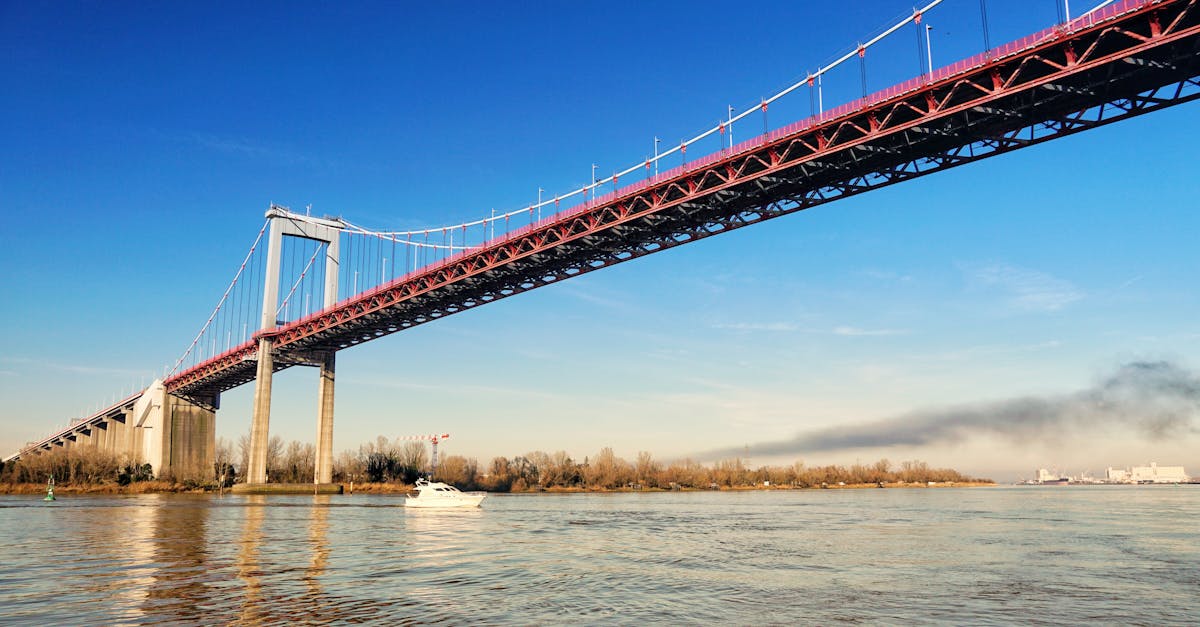
Bordeaux experiences a temperate oceanic climate, making it a year-round destination, but the best time to visit typically falls between April and October. In spring, the city awakens with blooming flowers and mild temperatures, averaging around 60°F. This is an excellent time to explore outdoor markets and enjoy al fresco dining without the summer crowds.
Summer, particularly June to August, sees warmer weather, often reaching the mid-80s°F, along with an influx of tourists. While the atmosphere is lively and full of events, hotel prices tend to peak during these months. Fall, from September to November, is another fantastic time to visit, as the grape harvest takes place, and the landscape transforms with autumn colors. Temperatures remain comfortable, and the crowds start to thin out, making it easier to explore the city and its surroundings.
Winter, although cooler with temperatures averaging in the low 40s°F, offers a quieter experience. The holiday season brings festive markets and decorations, creating a cozy ambiance perfect for enjoying Bordeaux’s warm hospitality. Prices for accommodation and activities can also be lower during this time, making it an attractive option for budget-conscious travelers.
Where to Stay in Bordeaux#
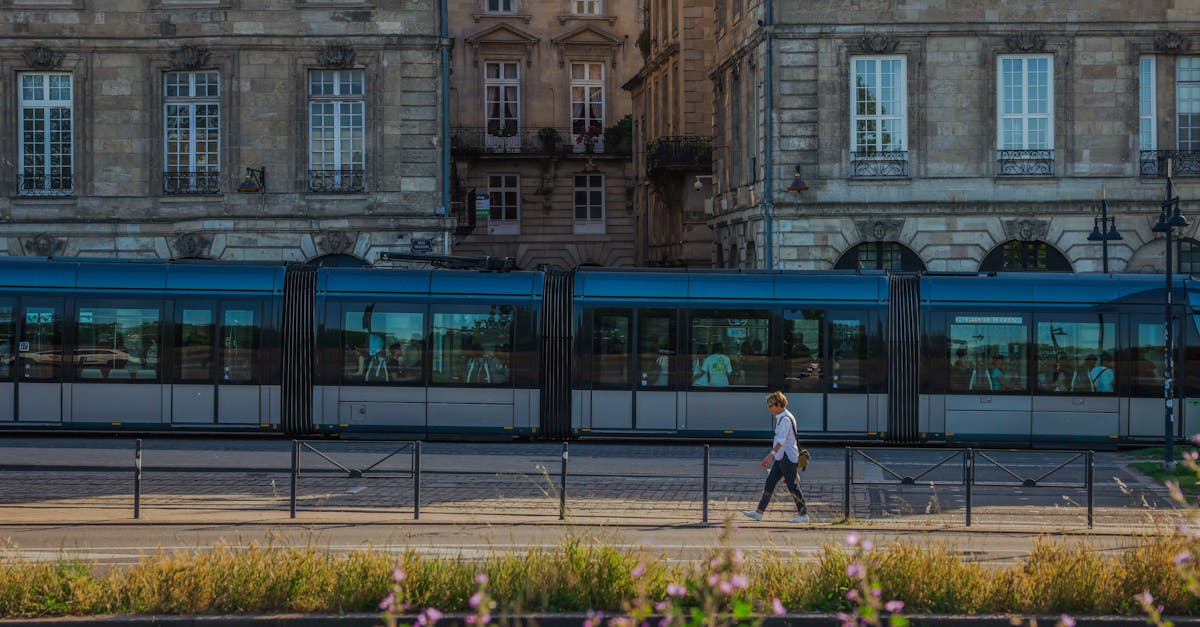
Bordeaux offers a variety of neighborhoods that cater to different travel styles and budgets. The Historic Center is perfect for those wanting to be close to major attractions. Here, you’ll find charming streets lined with shops, cafes, and historical sites. Budget travelers can find hostels and affordable guesthouses, while mid-range options include boutique hotels that reflect the city’s character. Luxury seekers can indulge in upscale accommodations that provide stunning views of the Garonne River.
For a more local experience, consider Saint-Michel, known for its lively market and lively atmosphere. This neighborhood has a mix of budget-friendly lodgings and mid-range hotels, all within walking distance of the busy square and the iconic basilica. The area’s eclectic vibe offers a taste of everyday life in Bordeaux, with plenty of cafes and shops to explore.
Chartrons is another neighborhood worth considering, especially for those interested in wine. Once the center of the wine trade, it now boasts a mix of antique shops and trendy cafes. This area has options for all budgets, from cozy guesthouses to more upscale accommodations. Staying here allows you to experience Bordeaux’s wine culture up close, with easy access to wine bars and shops.
Lastly, Bordeaux-Lac provides a more modern experience, with lakeside parks and entertainment options. This area is ideal for travelers looking for a quieter stay with family-friendly amenities. While budget accommodations might be limited, mid-range hotels offer comfort and easy access to public transport, making it a convenient base for exploring the city.
Top Things to Do in Bordeaux#
Wandering through Place de la Bourse is a must when visiting Bordeaux. This iconic square features stunning 18th-century architecture and the reflective water mirror known as the Miroir d’Eau. The sight is particularly striking at sunset when the buildings and water create a magical ambiance. Just a short walk away lies the Cité du Vin, a unique cultural facility dedicated to wine. Here, you can learn about the history of viticulture and enjoy tastings that celebrate the diverse wine regions of France.
For those interested in history, the Bordeaux Cathedral is a remarkable stop. This Gothic structure, officially known as Saint-André Cathedral, is not only a place of worship but also a testament to the city’s architectural prowess. Climbing the tower offers a panoramic view of the city, making the effort well worth it. Nearby, the Grosse Cloche, a medieval bell tower, is another historical landmark that dates back to the 15th century. Its impressive structure and the surrounding streets are perfect for a leisurely stroll.
Art enthusiasts will appreciate the CAPC Museum of Contemporary Art, housed in a former warehouse. This space showcases a diverse range of contemporary artworks and hosts rotating exhibitions that highlight both local and international artists. The museum’s unique setting adds to the overall experience, making it a lovely spot to spend an afternoon.
For a taste of local life, visit the Marché des Capucins, Bordeaux’s largest market. The market is a feast for the senses, filled with fresh produce, artisanal cheeses, and local specialties. Sampling local products while mingling with locals provides an authentic experience that captures the essence of Bordeaux.
If you’re looking for a break from the city, the Jardin Public offers a lush escape. This public park is perfect for a picnic or a leisurely walk among its beautiful pathways and gardens. It’s a great spot to relax and enjoy the scenery, especially on sunny days. Additionally, the nearby Museum of Natural History presents interesting exhibits that are both educational and entertaining.
For those who enjoy wine, a visit to the Les Caves de la Lune is essential. This wine cellar not only offers tastings but also provides insights into Bordeaux’s winemaking traditions. Participating in a guided tour enhances the experience, allowing you to appreciate the complexities of the local wine culture.
Finally, don’t miss the chance to take a river cruise along the Garonne. This leisurely journey offers a different perspective of Bordeaux’s skyline and allows you to appreciate the beauty of the city from the water. The calming rhythm of the river enhances the overall experience, making it a great way to unwind after a day of exploration.
Food and Dining Guide#
Bordeaux’s culinary scene is a reflection of the region’s agricultural bounty and its commitment to quality ingredients. The local cuisine showcases an array of flavors, making it a delight for food lovers. One of the worth trying dishes is Entrecôte à la Bordelaise, a tender ribeye steak cooked in a rich red wine sauce, often served with fries. This dish perfectly embodies the region’s passion for quality beef and wine.
For something lighter, Oysters from Arcachon Bay are a local favorite. These fresh oysters are often enjoyed raw, paired with a squeeze of lemon and a glass of white wine. You can find them at many seafood restaurants or markets, where they are served straight from the sea.
Another culinary highlight is Canelé, a small pastry with a caramelized crust and a soft custard center. This delightful treat is perfect for enjoying with your morning coffee or as an afternoon snack. Many bakeries in Bordeaux specialize in this local delicacy, and trying one is essential to experiencing the city’s flavors.
Street food is also thriving in Bordeaux, with food trucks and stalls offering a variety of options. Sampling Bordeaux-style sandwiches, made with fresh ingredients and local meats, is a great way to enjoy a quick meal while exploring the city. The Marché des Capucins is an excellent place to discover street food vendors serving up everything from savory crepes to sweet pastries.
For a more formal dining experience, Bordeaux is home to several restaurants that focus on seasonal ingredients and regional specialties. Many chefs take pride in crafting menus that highlight local produce, cheeses, and meats, providing a solid taste of the region. Pairing your meal with a glass of Bordeaux wine will elevate the experience, allowing you to savor the flavors of the area fully.
Getting Around Bordeaux#

Navigating Bordeaux is relatively easy, thanks to its efficient public transportation system. The Tramway is a popular mode of transport, with several lines connecting key areas of the city. Tickets can be purchased at machines located at tram stops, and they are valid for both trams and buses. Biking is also a great option, as Bordeaux features numerous bike lanes and a bike-sharing program that allows you to rent bicycles for short periods.
Walking is another fantastic way to explore the city, especially in the Historic Center, where many attractions are located within a short distance of each other. The charming streets and squares invite leisurely strolls, offering plenty of opportunities to discover cafes and shops along the way.
For those who prefer more flexibility, renting a car is an option, particularly if you plan to visit the nearby vineyards or coastal areas. However, parking in the city center can be challenging, so it’s advisable to use public transport for city exploration and save the car for day trips outside Bordeaux.
Taxis and rideshare services are readily available, providing convenient transportation if you need to travel longer distances or prefer not to use public transit. Overall, Bordeaux offers various options to suit different travel preferences, making it accessible and easy to navigate.
Budget Breakdown#
When planning your trip to Bordeaux, it’s essential to consider your daily budget, which can vary significantly based on your travel style. For budget travelers, accommodation typically starts around $30-50 per night for hostels or basic guesthouses. Meals can be managed for about $15-25 per day if you opt for street food or casual dining. Public transportation is affordable, with tram tickets usually costing a couple of euros, making it easy to keep costs low.
Mid-range travelers might spend around $100-150 per night for comfortable hotels or boutique accommodations. Dining at mid-range restaurants can range from $25-50 per meal, allowing for a more diverse culinary experience. Activities, including museum entries or wine tastings, can add another $20-50 to your daily expenses, depending on your interests.
Luxury travelers can expect to pay $200 or more per night for upscale hotels with amenities and prime locations. Fine dining experiences can cost between $50-100 per meal, especially if you indulge in wine pairings. With activities such as private tours or exclusive tastings, your daily budget could easily reach $300 or more, offering a lavish experience of Bordeaux’s finest offerings.
Travel Tips for Bordeaux#
Language is an important consideration when visiting Bordeaux. While many locals speak English, especially in tourist areas, learning a few basic French phrases will enhance your experience and often lead to warmer interactions with locals.
Dining hours in Bordeaux may differ from what you’re used to. Many restaurants serve lunch from noon to 2:30 PM, while dinner typically starts around 7:30 PM. Making reservations, particularly for popular spots, can save you from long waits and ensure you experience the best dining options.
Wine tasting is a highlight of any trip to Bordeaux. Many vineyards offer tours and tastings, but booking in advance is recommended, especially during the busy harvest season in the fall. Consider joining a guided tour for a more informative experience that can deepen your appreciation of the region’s wines.
Cultural etiquette is also something to keep in mind. When entering shops or restaurants, it’s customary to greet staff with a polite “Bonjour.” This small gesture goes a long way in showing respect for local customs and can lead to a more enjoyable interaction.
Cash vs. cards is another thing to consider. While credit cards are widely accepted, having some cash on hand is useful for small purchases, especially in markets or smaller establishments. ATMs are readily available, and withdrawing euros can be more cost-effective than exchanging currency.
Lastly, pack appropriately for the weather during your visit. Bordeaux can experience sudden changes in weather, so layers are a good idea. Comfortable shoes are essential for exploring the city on foot, while a light jacket can come in handy during cooler evenings, especially in spring and fall.
By keeping these tips in mind, your trip to Bordeaux can be a smooth and enjoyable experience, allowing you to focus on the beauty and charm of this remarkable city.