📌 Disclaimer
Prices, schedules, tour details, flight routes, visa requirements, and all other information on this page are based on data at the time of writing. Fares, availability, and policies may change. Please verify current details on the official website before booking.
Why Visit Big Island of Hawaii?#
The aroma of saltwater mingles with the scent of plumeria blossoms as you step onto the Big Island of Hawaii. The island’s diverse landscapes range from lush rainforests to stark volcanic deserts, creating an environment that feels both otherworldly and familiar. Each region tells a different story, shaped by ancient traditions and the forces of nature. Here, you can witness the creation of new land as lava flows into the ocean, while also experiencing the tranquility of black sand beaches and the majesty of towering waterfalls.
Beyond the stunning scenery, the Big Island offers a unique opportunity to connect with its long history. From the sacred sites of ancient Hawaiian kings to the stories of Polynesian voyagers, the island is steeped in cultural significance. Visitors can engage with this history through local festivals, art, and traditional practices that are still alive today. Whether you’re drawn by adventure, relaxation, or cultural exploration, the Big Island has something to offer every traveler.
Best Time to Visit Big Island of Hawaii#
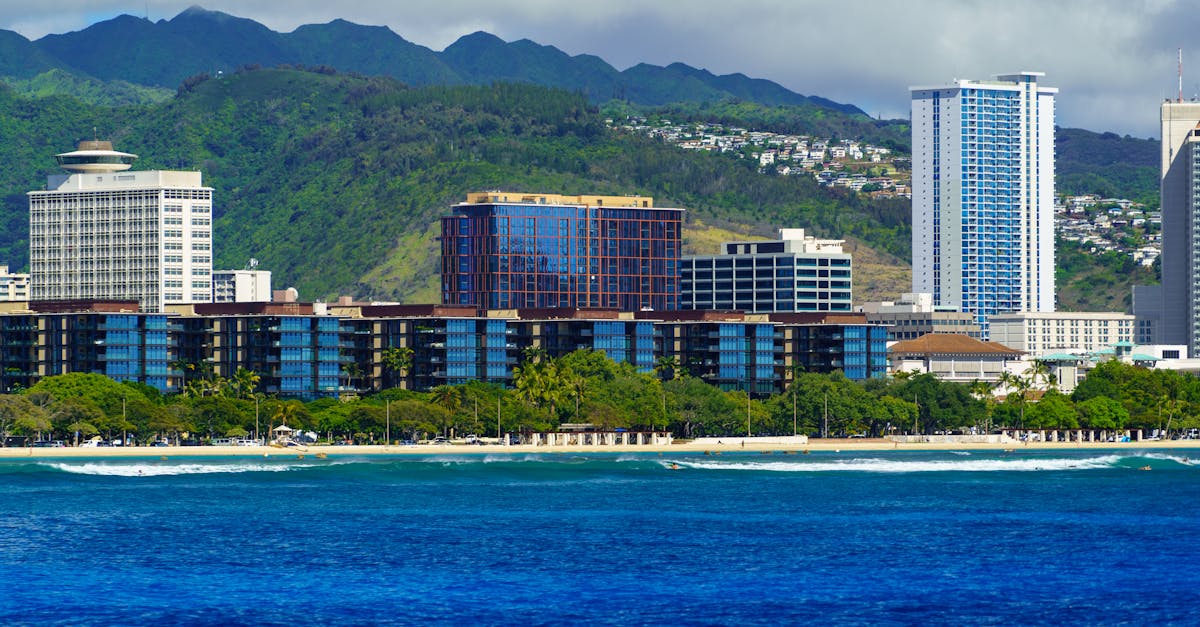
The climate on the Big Island is pleasantly warm year-round, with temperatures averaging between 70°F and 85°F. However, the best time to visit can depend on your preferences for weather, crowds, and prices. Generally, the dry season runs from May to October, making it ideal for beach activities and outdoor adventures. During these months, you’ll find plenty of sunshine and lower chances of rain, but be prepared for more tourists and higher accommodation rates.
The wet season, from November to April, brings cooler temperatures and more rainfall, especially in the Hilo area. While this might deter some visitors, it’s also when the island’s lush landscapes are at their greenest. If you’re looking for lower prices and fewer crowds, consider visiting during the shoulder months of April and November. You can enjoy pleasant weather and still experience the island’s attractions without the hustle and bustle of peak tourist season.
Where to Stay in Big Island of Hawaii#
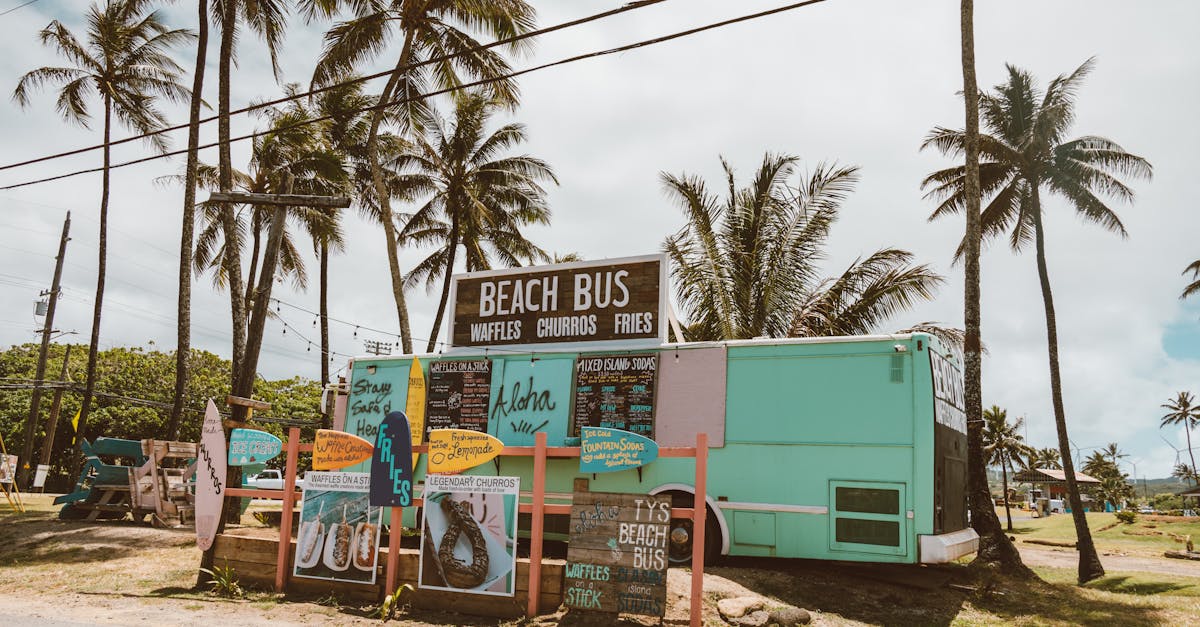
Choosing the right neighborhood on the Big Island can significantly enhance your experience. For budget-conscious travelers, the Kona Coast offers a range of affordable accommodations. This area boasts beautiful beaches and a lively atmosphere, making it a great base for exploring local attractions.
If you’re seeking mid-range options, consider staying in Waimea, known for its charming town vibe and proximity to both the beach and the mountains. This area provides a unique blend of ranching culture and Hawaiian traditions, along with easy access to outdoor activities.
For those looking to indulge, Hilo provides a more tranquil experience and is home to luxury resorts that offer stunning ocean views and spa services. The lush surroundings and proximity to waterfalls and national parks make it an excellent choice for relaxation and exploration alike.
Top Things to Do in Big Island of Hawaii#
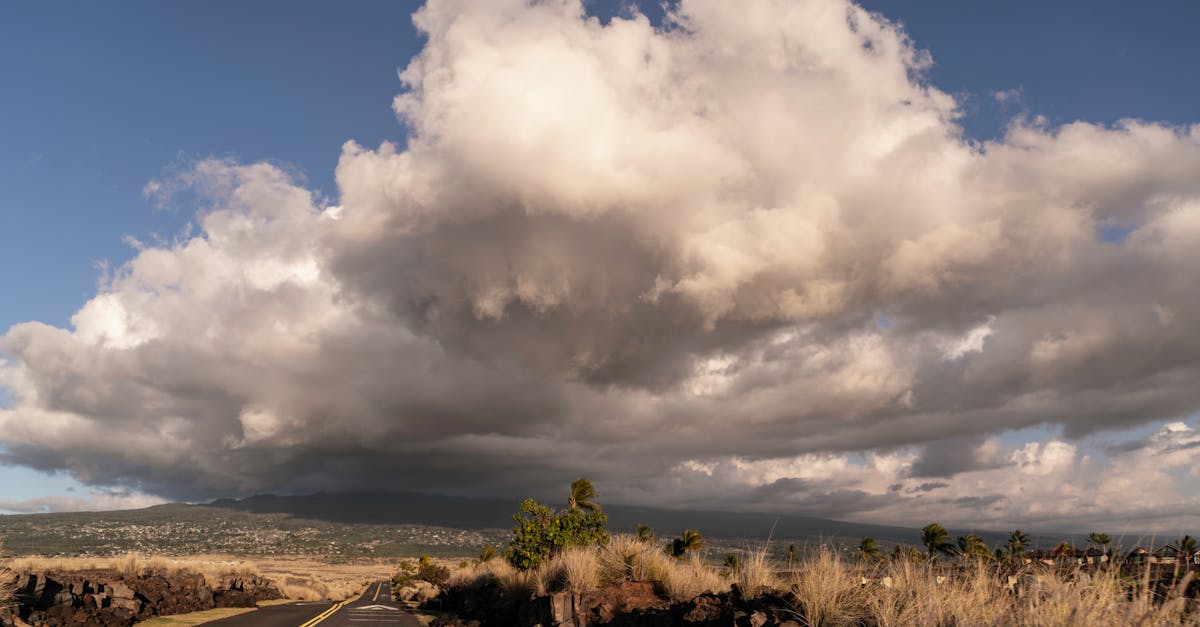
A visit to the Hawai’i Volcanoes National Park is essential. Here, you can witness the raw power of nature as you explore the Kīlauea volcano, one of the most active volcanoes in the world. Hike along the trails that lead to lava tubes and steam vents, and keep an eye out for the diverse flora and fauna that thrive in this unique environment.
Another must-see is Mauna Kea, the tallest mountain in Hawaii. A trip to the summit offers breathtaking views and a chance to stargaze at one of the clearest skies on Earth. Many visitors join guided tours that provide insight into the mountain’s cultural significance and the astronomy research conducted there.
For a taste of local culture, head to Kona for a visit to the Hulihe‘e Palace, where you can learn about the island’s royal history. The palace features beautiful artifacts and exhibits that tell the story of Hawaiian royalty. Nearby, the Kona Coffee Living History Farm offers a glimpse into the island’s coffee-growing heritage, allowing you to sample some of the best brews in the region.
If you’re looking for adventure, Snorkeling at Kealakekua Bay is an experience not to be missed. The clear waters are teeming with marine life, and the bay is home to the famous Captain Cook Monument. You can rent equipment locally or join a guided tour to explore the underwater world.
For those interested in history, the Pu’uhonua o Hōnaunau National Historical Park provides insight into ancient Hawaiian culture. This sacred site served as a refuge for those who broke kapu (ancient laws) and is a peaceful place to learn about traditional practices and beliefs.
Don’t overlook the Black Sand Beaches at Punalu’u, where the contrast of black sand against turquoise waters creates a striking landscape. It’s a perfect spot for relaxation, sunbathing, or even spotting sea turtles basking on the shore.
For an off-the-beaten-path experience, check out the Pololu Valley Lookout. A short hike down to the valley reveals stunning vistas of lush greenery and dramatic cliffs meeting the ocean. This area is perfect for those who want to escape the more tourist-heavy spots and enjoy some solitude in nature.
Lastly, a visit to the Waipi’o Valley is worthwhile. Known as the Valley of the Kings, it offers breathtaking scenery, waterfalls, and a glimpse into Hawaii’s agricultural history. Whether you hike or take a guided tour, the experience is both scenic and educational.
Food and Dining Guide#
The culinary scene on the Big Island reflects its diverse cultural influences and local ingredients. A trip wouldn’t be complete without trying poke, a traditional Hawaiian dish made from fresh, cubed fish marinated in soy sauce, sesame oil, and onions. You can find poke at local markets or restaurants, where each chef adds their unique twist.
Another local favorite is Loco Moco, a hearty meal featuring rice topped with a hamburger patty, a fried egg, and brown gravy. This dish is a staple in Hawaiian comfort food and can be found in diners and cafes across the island.
For a taste of the ocean, indulge in ono (delicious) fish tacos from a food truck or seaside shack. Freshly caught fish, often grilled or fried, is served with crunchy slaw and zesty sauces, making for a satisfying meal after a day of exploration.
If you’re in the mood for something sweet, don’t miss shave ice, a popular treat especially on warm days. This finely shaved ice is topped with flavored syrups, condensed milk, and sometimes even fresh fruit. It’s a refreshing way to cool down as you explore the island.
For an authentic experience, consider dining at a luau, where you can enjoy traditional Hawaiian dishes like kalua pig, cooked in an underground oven, alongside hula performances and music. This communal dining experience is not only a feast for the senses but also a great way to learn about Hawaiian culture.
Getting Around Big Island of Hawaii#
Navigating the Big Island can be straightforward, especially if you choose to rent a car. This option provides the most flexibility, allowing you to explore the island at your own pace and reach more remote areas. The roads are generally well-maintained, and driving offers stunning views along the coast.
Public transit is available, but options are limited, and schedules may not align well with tourist activities. If you prefer not to drive, consider using ride-sharing services or local taxis for shorter trips.
Walking can be a pleasant way to explore towns like Kailua-Kona, where many shops and restaurants are within easy reach. However, for attractions spread across the island, a rental car is the best choice to maximize your experience.
Budget Breakdown#
When planning your trip to the Big Island, consider your daily budget based on your travel style. For budget travelers, accommodation typically starts around $30-50 per night in hostels or budget hotels, while meals can be found for $10-15 at local eateries. Transportation costs are minimal if you use public transit, but a rental car can range from $30-70 per day.
Mid-range travelers can expect to spend $100-200 per night for comfortable hotels or vacation rentals. Dining at casual restaurants will range from $15-30 per meal, and a rental car will likely cost around $50-100 per day, depending on the season.
Luxury travelers might find accommodations starting at $300 per night and can enjoy fine dining experiences that average $50-100 per person. A rental car in this category may cost upwards of $100 per day, but the convenience and comfort can be worth the investment.
Travel Tips for Big Island of Hawaii#
Respect the Culture: When visiting sacred sites or interacting with locals, be mindful of Hawaiian customs and traditions. Learning a few words in Hawaiian can go a long way in showing respect and appreciation for the culture.
Pack for Diverse Activities: The Big Island’s varied landscapes mean you’ll want to bring a range of clothing. Pack swimwear for the beach, hiking shoes for exploring trails, and light layers for cooler evenings.
Stay Hydrated and Protected: The sun can be intense, especially during the day. Carry water with you and apply sunscreen regularly to protect your skin from UV rays.
Plan for Activities Ahead of Time: Some popular tours or activities may require reservations, especially during peak season. Consider booking in advance to secure your spot for experiences like snorkeling or stargazing tours.
Explore Beyond the Tourist Spots: While the well-known attractions are certainly worth visiting, don’t hesitate to explore lesser-known areas. These spots often provide a more authentic experience and a chance to connect with the local community.
By keeping these tips in mind, you can enhance your experience on the Big Island, ensuring that your visit is both enjoyable and enriching.
📌 Disclaimer
Prices, schedules, tour details, flight routes, visa requirements, and all other information on this page are based on data at the time of writing. Fares, availability, and policies may change. Please verify current details on the official website before booking.
📌 More about Big Island of Hawaii