📌 Disclaimer
Prices, schedules, tour details, flight routes, visa requirements, and all other information on this page are based on data at the time of writing. Fares, availability, and policies may change. Please verify current details on the official website before booking.
Why Visit Bergen?#
The sharp scent of salt water and wet timber hangs heavy in the air along the Bergen waterfront, where the wooden planks of old wharves groan softly beneath the tide. This western Norwegian city sits carved into the base of steep, forested mountains, opening directly onto deep coastal fjords. Travelers coming from the United States often picture Norway in broad strokes of dramatic wilderness, yet Bergen provides an approachable, human-scaled entry point that pairs medieval history with a distinctly modern coastal lifestyle.
Geography dictates everything here. Surrounded by seven mountains and facing the North Sea, the city functions as the natural gateway to the western fjord country. Yet Bergen itself demands several days of exploration rather than serving merely as a transit stop. Weather changes quickly, shifting from dramatic gray clouds to brilliant sunlight that makes the surrounding peaks glow green against the dark water, creating an atmosphere that feels entirely distinct from mainland European capitals.
Best Time to Visit Bergen#
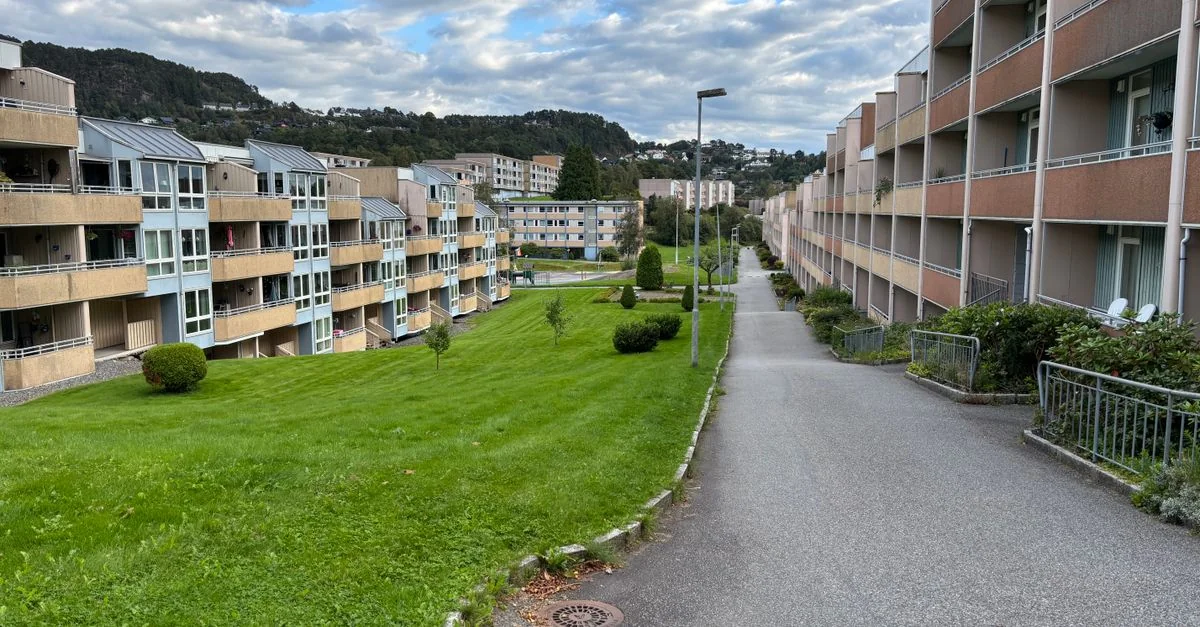
Planning a trip from the United States requires careful attention to Norway’s seasonal shifts, particularly because daylight hours vary dramatically. The shoulder months of May, June, and September offer the most balanced experience for American travelers. May brings blooming fruit orchards in nearby regions and pleasantly mild daytime temperatures, while June introduces the endless twilight of the midnight sun. Crowds remain manageable during these months compared to July and August, and accommodation prices sit in a moderate range before peak summer surges take effect.
July and August represent the high season, characterized by warm weather, fully operational ferry schedules, and maximum daylight. However, cruise ship arrivals crowd the historic wharves, and lodging prices reach their annual peak, requiring reservations many months in advance. October through April brings cooler temperatures, frequent rain, and very short daylight hours, particularly in December and January. While tourism slows significantly during winter and prices drop across all categories, this period appeals primarily to travelers seeking deep quiet, northern lights excursions further north via regional flights, or cozy indoor café culture.
Where to Stay in Bergen#
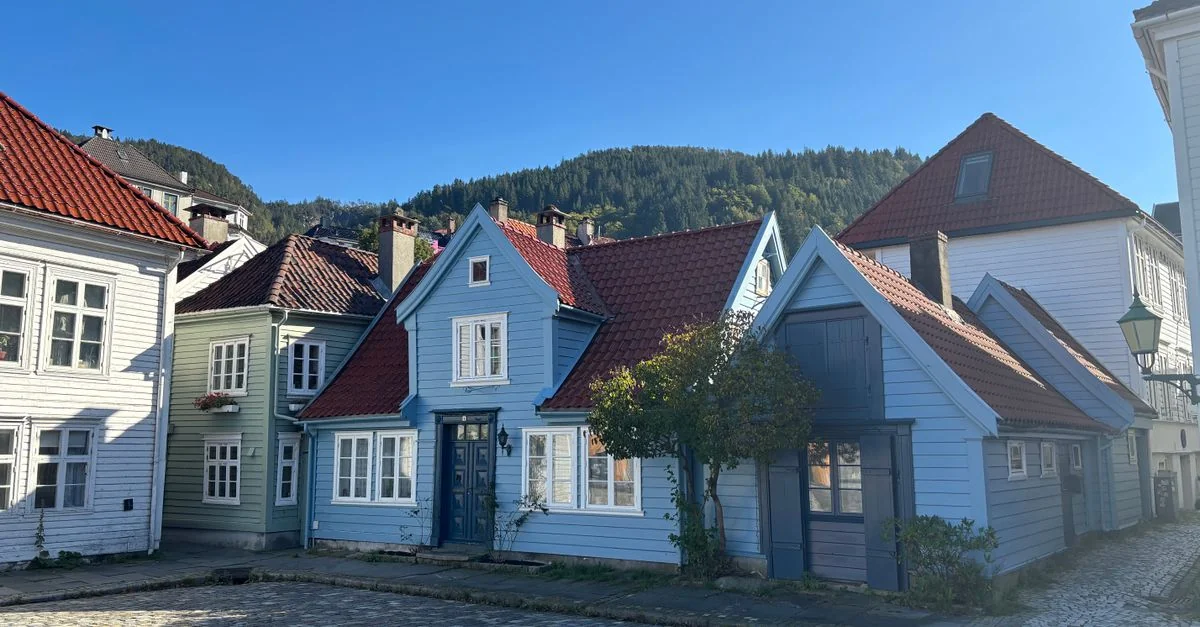
Choosing a neighborhood depends largely on how you prefer to navigate the city on foot. Bryggen and the Wharf puts you directly beside the famous historic wooden buildings and the active fish market. This area suits mid-range and luxury travelers who want to step straight out into the historic core of the city, though accommodations here lean toward historic conversions with compact rooms and higher nightly rates.
Just behind the wharf, Sentrum serves as the commercial downtown district, offering a practical mix of mid-range properties, shopping streets, and easy access to the main transit hubs. Staying in Sentrum provides a straightforward base for American visitors who appreciate modern amenities, elevator access, and proximity to restaurants and museums.
For a quieter, more residential neighborhood feel, Nordnes extends out onto a scenic peninsula west of the center. Narrow, steep alleys lined with traditional white wooden houses wind down toward the water, offering a peaceful atmosphere. Lodging here generally falls into the mid-range and budget tiers, often featuring guesthouses and apartment rentals.
Across the harbor on the eastern side, Sandviken attracts travelers seeking historic charm combined with local neighborhood life. This area features restored waterfront warehouses and residential streets tucked beneath the mountains, appealing to visitors looking for a slightly more authentic residential experience away from the main tourist corridors.
Top Things to Do in Bergen#
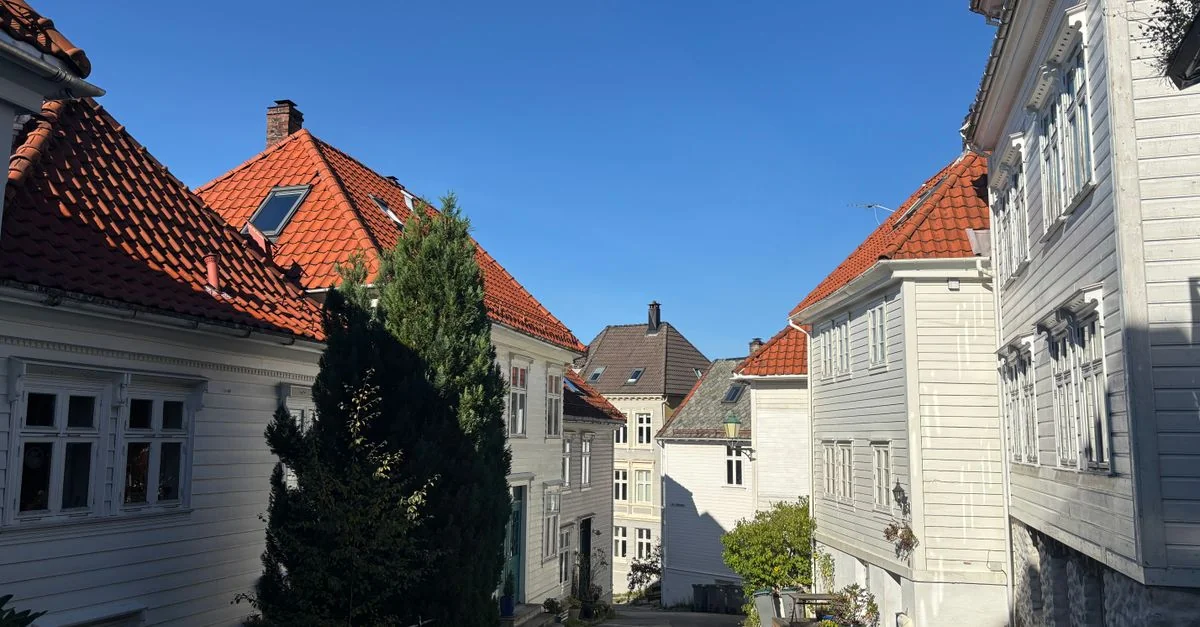
Walking through the narrow alleys of Bryggen reveals the skewed timber structures that have survived centuries of fires and coastal weather, functioning today as a living neighborhood of artisan workshops, studios, and small museums. Just a short walk away, the daily Bergen Fish Market offers an energetic look at the region’s maritime trade, where vendors display everything from king crab to smoked salmon. To gain perspective on the layout of the city and the surrounding islands, taking the Fløibanen Funicular up the steep slope of Mount Fløyen delivers panoramic views in a matter of minutes. At the top, extensive walking trails lead away from the observation deck into quiet pine forests and mountain lakes.
History enthusiasts will find plenty to explore beyond the waterfront. The Bergen Fortress grounds feature medieval stone structures like Rosenkrantz Tower and Haakon’s Hall, marking the city’s past as a royal seat of power in the thirteenth century. For a deeper look at the HANSA mercantile era, the Hanseatic Museum occupies one of the old wooden merchant houses, preserving the austere living quarters and trading offices of German merchants who dominated the local economy for centuries.
Art and culture thrive away from the medieval core as well. The KODE Art Museums span multiple buildings around a central park lake, housing vast collections of Norwegian fine art, including works by Edvard Munch, alongside international modern pieces and historic craft exhibitions. For a different vantage point, the Ulriken Cable Car ascends Bergen’s highest peak, opening up dramatic hiking routes along the Vidden trail toward the plateau. Visitors seeking quieter corners can wander the residential streets of Stølen, where steep staircases wind between brightly painted nineteenth-century wooden houses nestled against the mountain slope. Finally, a short ferry ride brings travelers to Troldhaugen, the peaceful lakeside composer’s home of Edvard Grieg, where midday summer piano concerts take place in a modern concert hall overlooking the water.
Food and Dining Guide#
Norwegian coastal cuisine relies heavily on the cold, clean waters of the North Sea, making seafood the undisputed centerpiece of dining in the city. Smoked salmon appears on nearly every breakfast table, often cured with dill or aquavit, offering a rich and delicate flavor profile. For lunch or a casual street-side meal, fish soup serves as a hearty staple, combining a creamy fish broth with root vegetables and chunks of fresh white fish and salmon.
Traditional local dining also features klippfisk, a salted and dried cod that forms the basis of several regional casseroles and modern culinary interpretations. Street food culture leans toward fresh seafood sandwiches purchased directly at harbor kiosks, alongside whale steak for adventurous eaters looking to try a traditional coastal protein. Upscale restaurants in the city center reinterpret these traditional ingredients using modern Nordic techniques, focusing on seasonal foraging, local game, and artisanal dairy products from nearby fjord farms. Dining out generally commands higher prices than in the United States, but the quality of ingredients—especially fish pulled from the water hours before service—justifies the expense for food-focused travelers.
Getting Around Bergen#
Navigating the city requires very little reliance on personal vehicles, as the historic core is almost entirely pedestrianized and compact enough to explore on foot. Comfortable, waterproof walking shoes are essential given the cobblestone streets and frequent rain. For journeys beyond the central walking zone, the Bybanen Light Rail provides efficient, modern transit connecting the city center to the southern neighborhoods and the airport. Local buses cover the remaining routes, and all public transit accepts contactless payment or mobile ticketing apps.
Taxis are readily available at designated stands and through smartphone apps, though they represent a luxury expense due to high local labor costs. Renting a car is unnecessary and generally counterproductive if you plan to stay within the city limits, as parking is scarce and expensive. However, if your itinerary includes extended road trips into the surrounding fjord valleys, renting a car for specific excursion days offers maximum flexibility. Ferries and coastal express boats provide the best transport for exploring nearby islands and deep-water fjords without driving.
Budget Breakdown#
Travel expenses in Norway sit notably higher than the US average, requiring realistic financial planning across all categories. Budget travelers utilizing guesthouses, self-catering options, public transit, and casual street food or grocery store meals will find that daily expenditures remain manageable, though still higher than standard American budget travel. Accommodation forms the largest single expense, followed by dining out.
Mid-range travelers staying in comfortable central hotels, enjoying a mix of casual eateries and sit-down dinners, using public transport, and paying for standard museum admissions and funicular tickets will experience a moderate daily spend. This tier offers a comfortable balance of convenience and cultural engagement without restricting daily activities.
Luxury travelers booking high-end accommodations, private fjord tours, fine dining establishments, and taxi transport will find robust options in Bergen. High-end lodges and gourmet tasting menus command premium rates, reflecting the high standard of living and service wages in Norway. Across all tiers, pre-booking activities and accommodations several months in advance helps secure better pricing and availability.
Travel Tips for Bergen#
Weather preparation is perhaps the single most important factor for an enjoyable trip, as the city experiences significant rainfall year-round. Packing a waterproof shell jacket, sturdy layers, and quick-drying clothing ensures that sudden coastal downpours will not disrupt your outdoor sightseeing plans.
Tipping culture differs noticeably from the United States. Service charges are included in restaurant bills, and tipping is never mandatory or expected in the American sense. Leaving a small cash tip or rounding up the bill for exceptional service is appreciated by waitstaff, but servers do not rely on tips for their base income.
Payment methods are almost exclusively digital. Cash is rarely used or accepted in many shops, restaurants, and transit systems throughout the city. American travelers should ensure their credit and debit cards have chip-and-PIN capability and carry no foreign transaction fees.
Language barriers are practically nonexistent for English-speaking visitors. The vast majority of the local population speaks fluent, natural English, making navigation, dining, and asking for directions completely stress-free.
Alcohol laws are strict, with beer, wine, and spirits sold only through state-run monopoly shops with limited operating hours, or licensed restaurants and bars. Supermarkets sell only low-alcohol beer, so purchasing celebratory drinks requires planning around retail hours.
Outdoor safety requires respect for rapidly changing mountain conditions. Even when starting a hike on Mount Fløyen or Mount Ulriken in clear weather, carrying a map, extra layers, and water is essential, as mist and rain can descend quickly over the peaks.
📌 Disclaimer
Prices, schedules, tour details, flight routes, visa requirements, and all other information on this page are based on data at the time of writing. Fares, availability, and policies may change. Please verify current details on the official website before booking.
📌 More about Bergen