📌 Disclaimer
Prices, schedules, tour details, flight routes, visa requirements, and all other information on this page are based on data at the time of writing. Fares, availability, and policies may change. Please verify current details on the official website before booking.
Why Visit Beirut?#
The sharp scent of roasted pine nuts mingling with sea salt drifts off the Mediterranean, carrying the unmistakable energy of a city that constantly reinvents itself. Beirut delivers an experience that challenges standard travel expectations, offering a layered urban landscape where bullet-pocked architecture stands mere feet from gleaming modern glass towers. Visitors encounter a place defined by an uncompromising love for life, where conversations flow easily in cafes, and the coastline frames daily routines. It is a destination that rewards curiosity, offering a profound look at resilience, history, and Mediterranean ease.
For American travelers accustomed to rigid infrastructure, Beirut operates on a different rhythm entirely. Days begin late with morning coffee on sun-drenched balconies and stretch well past midnight around crowded dinner tables. The city’s geography concentrates decades of history into walkable neighborhoods, meaning a single afternoon can transition from Ottoman-era alleys to sleek contemporary art spaces. This density makes exploration intuitive, even if navigating the local traffic requires patience and a sense of humor.
Beyond the urban core, the broader landscape shifts dramatically within an hour’s drive, opening up access to ancient cedar forests, fertile valleys, and coastal towns. Travelers find a destination where English is spoken widely, American credit cards function in most established businesses, and the local hospitality remains legendary. It is an intersection of East and West that defies simple categorization, leaving a lasting impression on anyone willing to look past headlines and experience the daily reality on the ground.
Best Time to Visit Beirut#
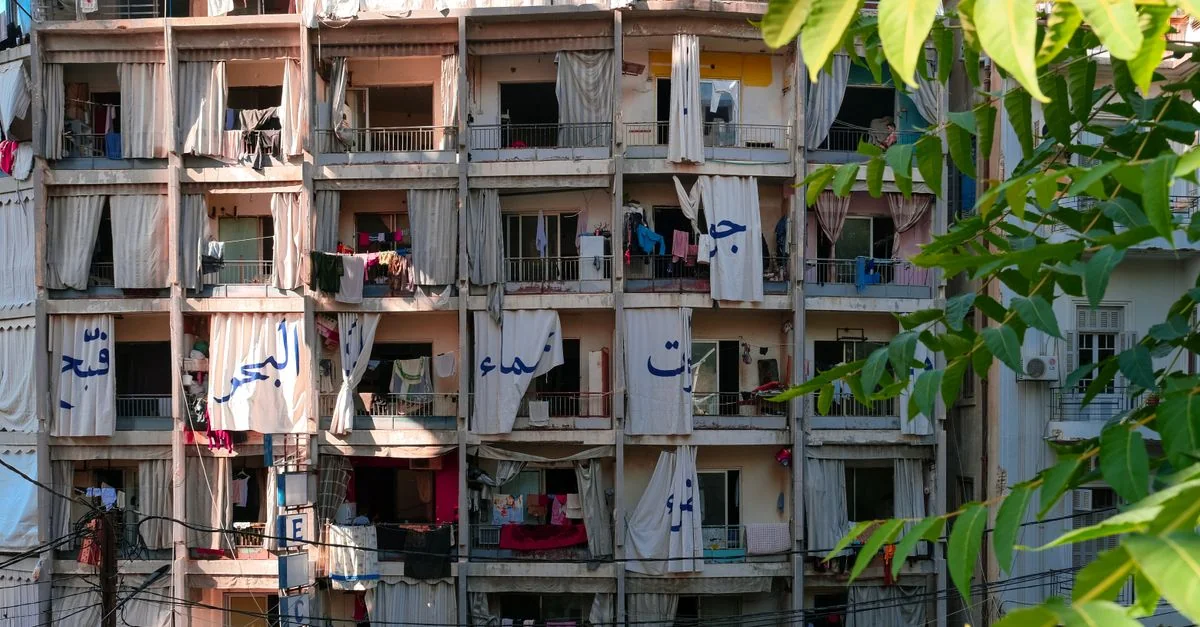
Planning a trip to Lebanon requires careful consideration of weather patterns and seasonal rhythms. Spring, spanning from April to May, offers arguably the most pleasant conditions for American visitors. Daytime temperatures hover comfortably in the mid-70s, wildflowers bloom across the mountain slopes, and outdoor terraces come alive without the oppressive humidity of late summer. Tourism numbers during these months remain moderate, meaning hotel availability is steady and booking attractions requires minimal advance planning.
Summer, stretching from June through September, brings intense heat and high humidity, particularly along the coast. This is the peak season for the diaspora returning home for vacation and regional travelers escaping Gulf heatwaves. Prices for accommodation and flights peak significantly during these months, and popular beach clubs book out weeks in advance. The city operates at maximum capacity, hosting late-night outdoor concerts and beach parties that run until dawn, creating an electric atmosphere for travelers who thrive in high-energy environments.
Autumn, from October to November, provides a welcome respite as temperatures drop back into comfortable ranges and the summer crowds disperse. This shoulder season offers favorable pricing on lodging and a slower pace for sightseeing. Winter, running from December to March, brings cooler, rainy days along the coast, while the nearby mountains receive heavy snowfall. This creates a rare geographical combination where travelers can ski in the morning and dine by the sea in the afternoon. Winter brings the lowest accommodation rates of the year, though shorter daylight hours and occasional storms require flexible daily itineraries.
Where to Stay in Beirut#
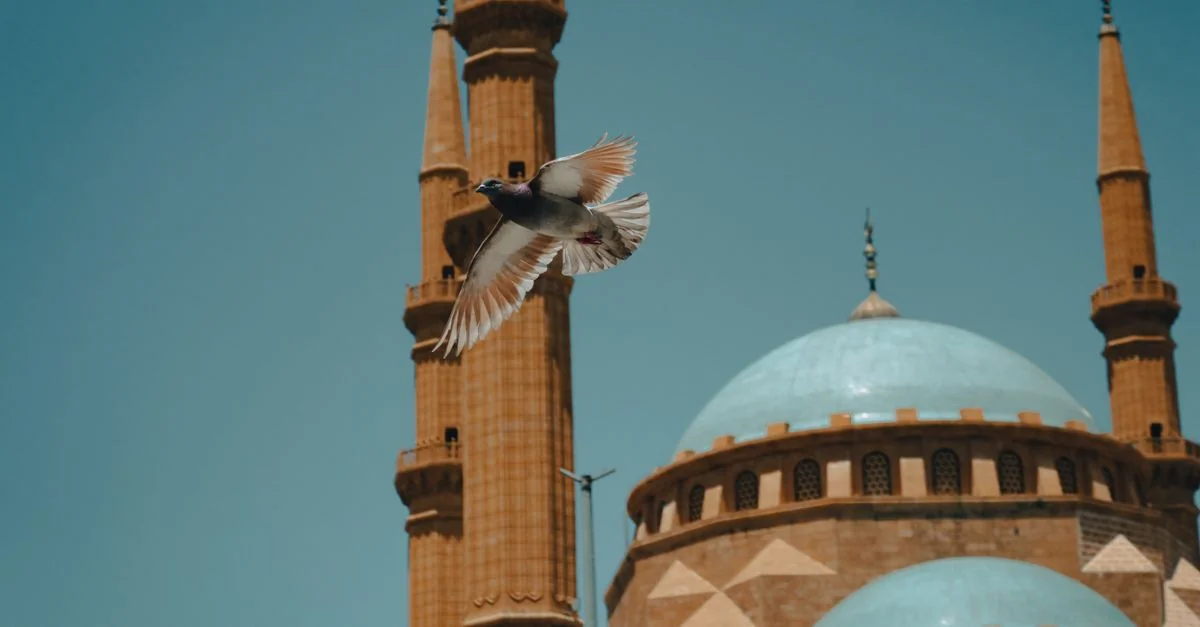
Choosing the right neighborhood shapes the entire experience of the city, as each district carries its own distinct personality and aesthetic. Gemmayzeh serves as the historic arts and nightlife hub, featuring narrow streets lined with restored 19th-century Lebanese houses with distinctive triple-arched windows. Accommodations here skew toward boutique guesthouses and mid-range apartments, appealing to travelers who want to step outside directly into a neighborhood filled with independent galleries, cocktail lounges, and neighborhood pubs. The atmosphere leans bohemian and social, making it ideal for visitors who prefer walking to evening entertainment rather than relying on taxis.
Directly adjacent, Mar Mikhael pushes the urban creative scene even further, functioning as the city’s primary industrial-chic zone. Former warehouses and auto shops now house trendy design studios, specialty coffee shops, and concept stores. Lodging options here include stylish mid-range lofts and high-end design rentals favored by younger professionals and artists. The neighborhood stays awake very late, so travelers seeking absolute quiet at night might want to look at side streets rather than the main thoroughfare.
For travelers prioritizing luxury, upscale dining, and high-end shopping, Achrafieh and Downtown offer entirely different environments. Achrafieh is a sprawling, elevated residential district known for leafy squares, traditional mansions, and quiet avenues alongside upscale apartment buildings. It provides a more tranquil, upper-middle-class residential feel while keeping visitors close to major cultural sites. Meanwhile, Downtown Beirut presents a meticulously reconstructed grid of pedestrian plazas, luxury designer boutiques, and modern high-rise apartments overlooking the marina, representing the most polished and expensive real estate in the city.
Top Things to Do in Beirut#
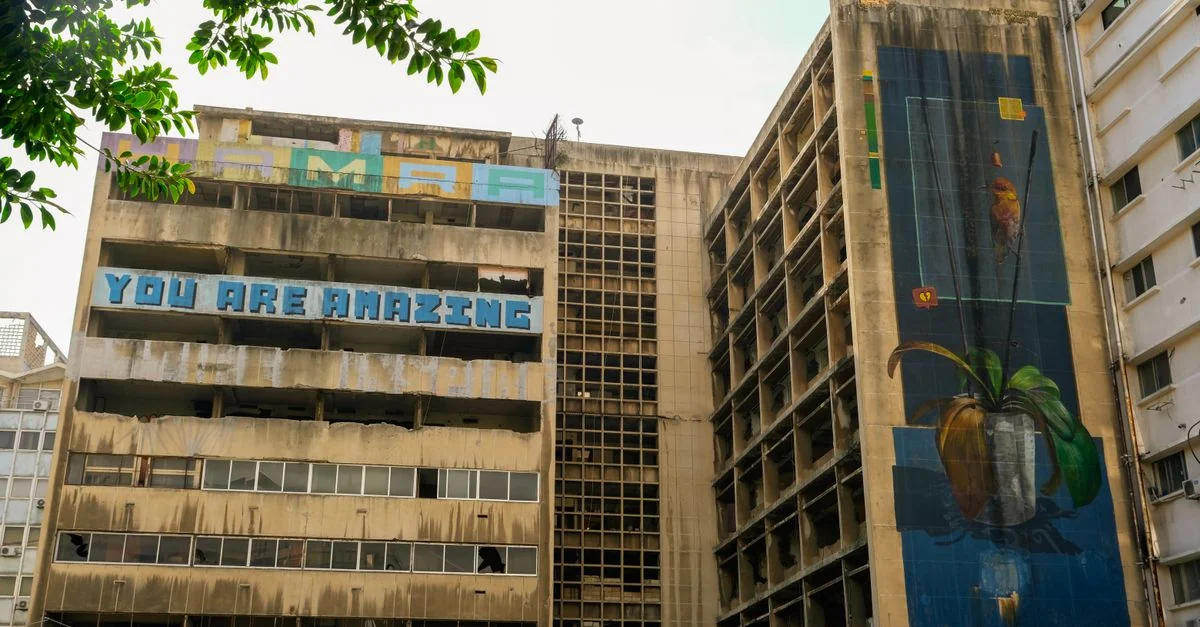
The coastal walkway of the Corniche provides the quintessential starting point for any visit, offering a wide seaside promenade where locals jog, sip fresh juice from seaside carts, and cast fishing lines into the waves. Walking this stretch at sunset reveals the dramatic silhouette of the Pigeon Rocks, two massive limestone formations rising out of the blue Mediterranean water. Visitors can view these natural arches from the clifftop cafes or hire a small local boat from the nearby port of Raouche for a closer look through the sea spray.
Moving inland, the National Museum of Beirut houses an exceptional collection of Phoenician, Roman, and Byzantine antiquities that trace the deep historical roots of the region. The exhibits are curated with care, highlighting extraordinary sarcophagi, intricate mosaics, and rare glasswork recovered from local archaeological digs. For a deeper dive into contemporary creativity, the Sursock Museum in Achrafieh presents modern and contemporary art inside a stunning private 20th-century villa, featuring rotating exhibitions and a peaceful sculpture garden that offers an escape from the city noise.
Exploring the architectural layers of the city leads naturally to Place de l’Etoile, the central square of the downtown district dominated by a 1930s art deco clock tower. Radiating outward from this square are pedestrian streets lined with outdoor cafes, the restored Mohammed Al-Amin Mosque with its striking blue dome, and the adjacent maronite Saint George Cathedral. Just a short distance away, the Roman Baths archaeological site reveals the exposed remains of ancient hypocaust heating systems and stone pools, quietly integrated into a modern urban hillside.
Venture slightly off the standard tourist path to explore the ruins of Saifi Village, a carefully reconstructed neighborhood featuring pastel-colored French Mandate-era architecture, independent boutiques, and weekend antique markets. Further north, the lively neighborhood of Badaro offers a leafy, neighborhood feel centered around casual pubs and local eateries, providing a genuine window into daily residential life away from the heavy tourist zones.
Food and Dining Guide#
Lebanese cuisine occupies a central place in the national culture, and meals here are designed to be leisurely, social affairs shared among family and friends. A traditional feast begins with Mezze, a sprawling assortment of small plates that arrives all at once to cover the table. Essential dishes include Hummus, whipped exceptionally smooth with tahini and lemon and topped with olive oil, alongside Fattoush, a crisp salad of mixed greens, radishes, tomatoes, and toasted pieces of flatbread seasoned with sumac and pomegranate molasses.
Grills form the cornerstone of heartier plates, with Tawook offering marinated chicken skewers infused with garlic, lemon, and yogurt, while Kafta features minced lamb or beef mixed with onions, parsley, and spices, shaped around metal skewers and charred over hot coals. Street food culture thrives on simplicity and speed, making Manousheh an essential daily staple. This flatbread, baked fresh in domed stone ovens, comes traditionally smothered in Za’atar—a pungent herb and sesame seed blend—or folded around salty white cheese.
Dining experiences range widely from casual neighborhood bakeries and falafel counters to high-end establishments offering contemporary interpretations of Levantine recipes. Street food remains remarkably affordable and universally delicious, found at small storefronts throughout every neighborhood. Traditional restaurants often charge by the plate or offer set mezze spreads where food continues to arrive until guests signal a halt, making dining out an exercise in abundance and hospitality.
Getting Around Beirut#
Navigating Beirut requires a blend of patience, flexibility, and local transportation knowledge. The city lacks a formal metro or extensive public bus network that appeals to most foreign visitors, meaning the primary modes of transport involve private cars, shared vans, and walking. Walking works wonderfully for exploring dense neighborhoods like Gemmayzeh, Mar Mikhael, and Downtown, as sidewalks connect major points of interest and reveal neighborhood details that vehicles miss entirely.
For longer distances, street taxis are ubiquitous, but American travelers should note that traditional cabs rarely use meters. It is essential to negotiate the fare in advance before stepping into the vehicle to avoid misunderstandings upon arrival. Alternatively, ride-sharing applications operate reliably throughout the city, providing the convenience of upfront pricing, tracked routes, and cashless payment options, which eliminates the need to carry exact local currency for every trip.
Renting a car for city driving is generally discouraged for first-time visitors due to aggressive local driving styles, chaotic parking conditions, and a lack of clear signage. However, renting a vehicle with a driver or joining organized day tours proves ideal for travelers wanting to venture outside the capital to explore mountain villages, coastal ruins, and the Bekaa Valley without the stress of navigation.
Budget Breakdown#
Understanding expected expenses helps travelers plan their financial logistics effectively, keeping in mind that Lebanon operates largely on cash economies where US dollars are widely accepted alongside the local currency.
Budget travelers can manage daily expenses by staying in guesthouses or shared apartments in residential neighborhoods, eating primarily from local bakeries and street food vendors, and utilizing shared public vans or walking. This tier covers basic lodging, simple meals, and modest entrance fees to public sites without luxury frays.
Mid-range travelers enjoy comfortable boutique guesthouses or private apartments in trendy districts, sit-down meals at traditional restaurants and cafes, and the use of ride-sharing apps for city transit alongside guided day trips outside the capital. This tier balances comfort with cultural exploration, offering a well-rounded experience of the city’s hospitality.
Luxury travelers access high-end international or boutique hotels in prime districts, fine dining at upscale establishments, private drivers for all excursions, and exclusive beach club access. This tier delivers top-tier service, spacious accommodations, and curated private tours throughout the country.
Travel Tips for Beirut#
Cash is King remains the most critical rule for navigating the local economy. While upscale hotels and major restaurants accept international credit cards, many independent shops, taxis, and neighborhood eateries operate strictly on cash. Travelers should bring pristine, newer-issue US dollar bills, as merchants frequently reject torn, marked, or heavily worn banknotes.
Dress Standards in the city offer surprising flexibility compared to neighboring countries, reflecting a cosmopolitan society where modern Western fashion blends comfortably with traditional attire. Visitors can dress similarly to what they would wear in major European or American cities, though modest clothing covering shoulders and knees remains respectful when entering religious sites such as mosques and churches.
Electrical Outlets vary widely across buildings, with a mix of European two-round-pin plugs, French style pins with grounding poles, and occasionally British three-prong plugs. Packing a universal adapter ensures all electronic devices remain charged regardless of the specific wiring in a particular guesthouse or hotel.
Tap Water Safety dictates that visitors should avoid drinking untreated tap water for drinking or brushing teeth. Bottled water is inexpensive, widely available at every corner store, and used universally by locals and travelers alike for daily hydration.
Local Hospitality is deeply ingrained in the culture, and declining an offer of coffee or tea from a shopkeeper or host can sometimes be seen as impolite. Accepting these gestures opens doors to genuine conversations and local insights that guidebooks cannot provide.
Safety and Awareness require standard urban vigilance. While the city is generally welcoming to tourists, travelers should monitor current travel advisories from the US Department of State before departure, avoid political demonstrations, and respect local sensitivities regarding regional politics during conversations.
📌 Disclaimer
Prices, schedules, tour details, flight routes, visa requirements, and all other information on this page are based on data at the time of writing. Fares, availability, and policies may change. Please verify current details on the official website before booking.
📌 More about Beirut