📌 Disclaimer
Prices, schedules, tour details, flight routes, visa requirements, and all other information on this page are based on data at the time of writing. Fares, availability, and policies may change. Please verify current details on the official website before booking.
Why Visit Beijing?#
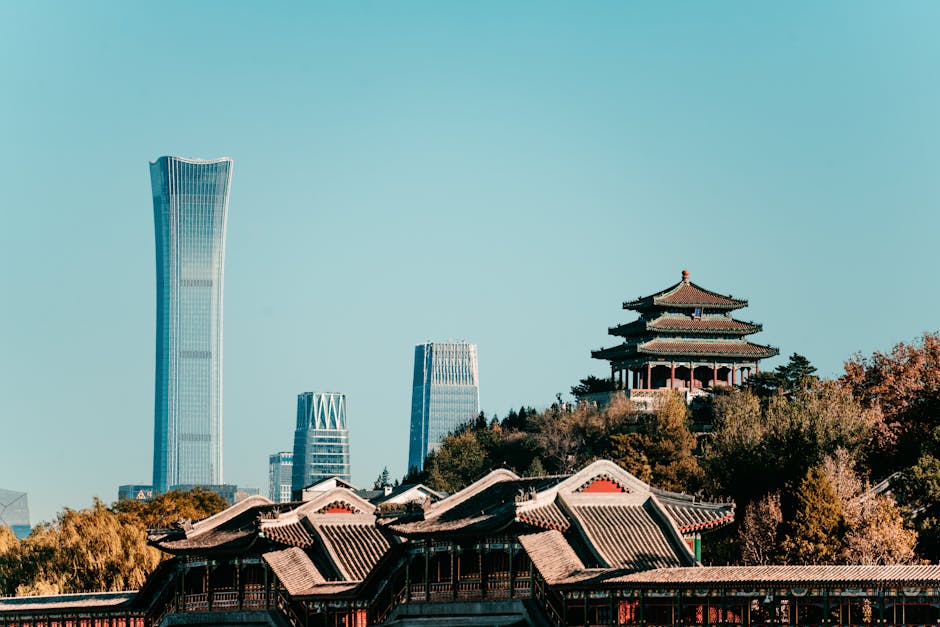
The first breath of Beijing’s air is a mix of history and modernity, where the faint scent of incense wafts from ancient temples, while the hum of electric scooters zips past. This city is a fascinating juxtaposition of the old and the new, where ancient dynasties echo through the narrow alleyways of the hutongs, and skyscrapers rise dramatically against the skyline. A journey through Beijing offers travelers a chance to walk through time, exploring thousands of years of culture, art, and architecture, all while enjoying the conveniences of a contemporary metropolis.
Beijing is not just a destination; it’s an experience that engages all your senses. The grandeur of the Forbidden City, the solemnity of Tiananmen Square, and the breathtaking views from the Great Wall are just the beginning. The city thrives with life, from the lively markets filled with local artisans to the quiet corners of traditional tea houses. Each neighborhood has its own character, inviting visitors to explore and discover the unique stories that shape this remarkable capital.
Best Time to Visit Beijing#
Beijing experiences four distinct seasons, each offering a unique perspective of the city. Spring, from March to May, is one of the most pleasant times to visit. The weather begins to warm up, with temperatures ranging from the 50s to 70s °F, and the blooming flowers add a touch of color to the parks. Crowds are moderate during this season, making it an ideal time for sightseeing.
Summer, from June to August, can be quite hot, with temperatures often reaching the 90s °F. This is also peak tourist season, so expect larger crowds at major attractions. However, summer offers lively outdoor festivals and events, showcasing the city’s dynamic culture.
Autumn, spanning September to November, is another favorable time to explore Beijing. The weather is crisp and cool, with temperatures in the 60s to 70s °F and stunning fall foliage painting the parks and historical sites. This season sees fewer tourists, making it easier to navigate popular attractions.
Winter, from December to February, brings cold temperatures, often dipping below freezing. While fewer travelers venture out during this time, visiting Beijing in winter can have its perks, such as lower hotel rates and the chance to experience the city’s festive decorations during the Lunar New Year.
Where to Stay in Beijing#
Choosing the right neighborhood is crucial for a fulfilling Beijing experience. Dongcheng District is ideal for those seeking a blend of history and modern amenities. It’s close to major attractions like the Forbidden City and Tiananmen Square, making it a convenient base for sightseeing. Budget travelers can find hostels and guesthouses, while mid-range options offer comfortable stays in chic hotels.
For a more traditional experience, consider staying in Haidian District, home to historic hutongs and local markets. This area tends to be quieter, offering a glimpse into everyday life in Beijing. Here, budget accommodations are available in guesthouses, while mid-range hotels provide a cozy atmosphere.
If luxury is what you seek, Chaoyang District is the place to be. Known for its upscale shopping malls and international dining options, this area boasts some of the city’s finest hotels. Staying here offers easy access to the 798 Art District and lush parks, perfect for leisurely strolls.
Finally, Xicheng District is a great option for those wanting to experience Beijing’s cultural side. This area is dotted with historic sites and traditional temples. Budget travelers will find affordable inns, while mid-range hotels offer a comfortable retreat after a day of exploration.
Top Things to Do in Beijing#
A visit to Beijing would be incomplete without experiencing the majesty of the Great Wall of China. Stretching over 13,000 miles, the wall offers numerous access points, each with its own charm. Hiking along the wall not only rewards you with stunning views but also a sense of connection to the ancient builders who crafted this incredible structure.
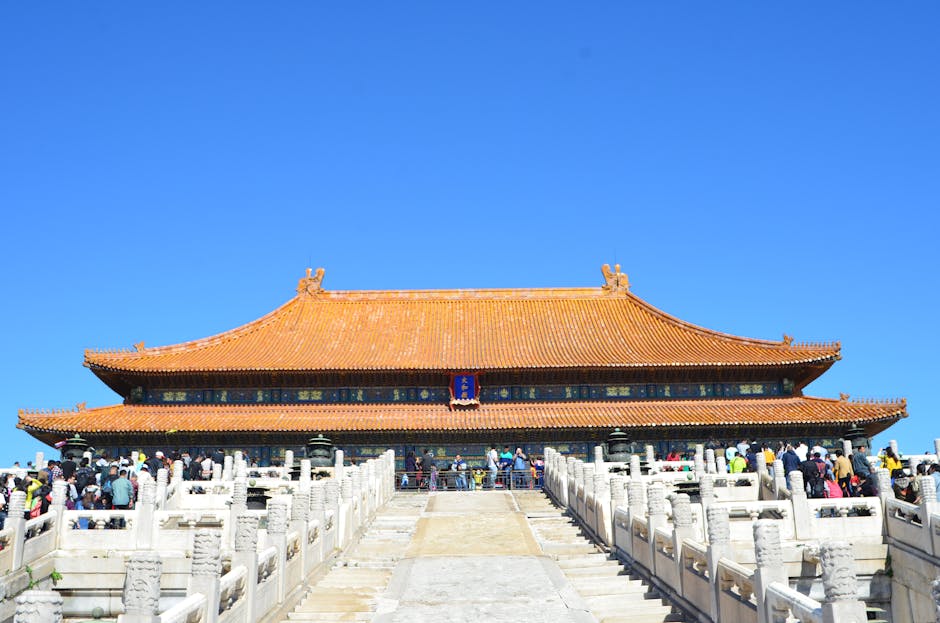
No trip to Beijing is complete without a stroll through the Forbidden City. This vast imperial palace complex, home to emperors for centuries, boasts stunning architecture and an impressive collection of artifacts. Wandering through its courtyards, you’ll feel the weight of history and the artistry that defines this UNESCO World Heritage Site.
Tiananmen Square, located just outside the Forbidden City, is one of the largest public squares in the world. Here, you can reflect on the significant events that shaped modern China. The square is surrounded by impressive structures, including the Mausoleum of Mao Zedong and the National Museum of China, both worth a visit for those interested in the country’s history.
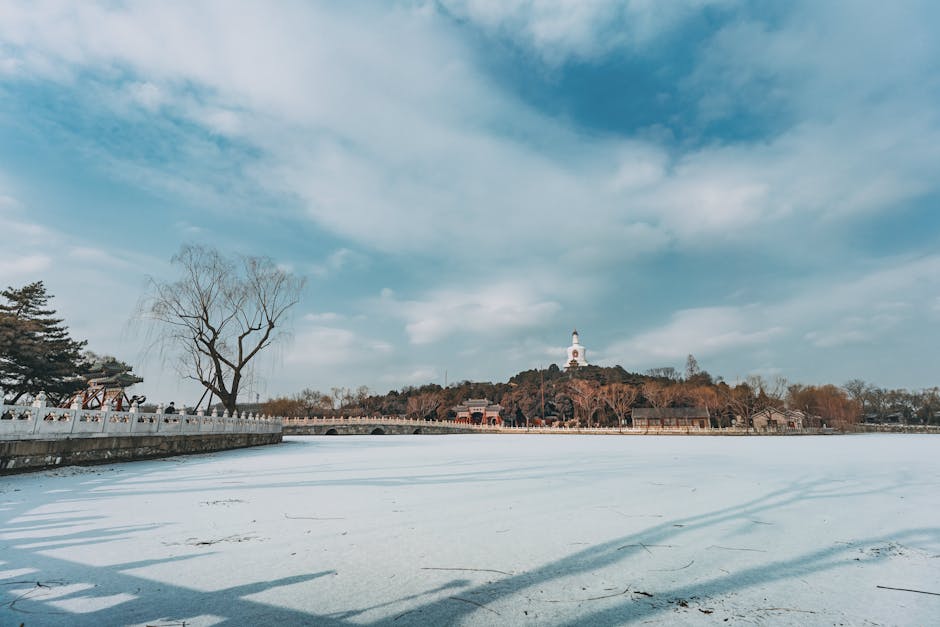
For a touch of tranquility, explore Beihai Park, a serene oasis amidst the city’s hustle. With its beautiful lake and historic temples, it’s an excellent spot for a leisurely walk or a boat ride. Nearby, the Lama Temple showcases stunning Tibetan architecture and an impressive collection of Buddhist art, providing insight into the spiritual side of Beijing.
The Summer Palace is another worth visiting, featuring beautiful gardens, pavilions, and a large lake. This former royal retreat is perfect for a day of leisurely exploration, with picturesque paths leading to stunning views of the surrounding hills.
Art enthusiasts should not miss the 798 Art District, a contemporary art hub located in a former industrial complex. Here, you’ll find galleries, studios, and quirky shops showcasing the work of local artists. It’s a fantastic place to appreciate modern Chinese art and culture.
For a taste of local life, venture into the hutongs, the narrow alleys lined with traditional courtyard homes. These neighborhoods offer a glimpse of Beijing’s past and present, with local shops, tea houses, and street vendors selling snacks and souvenirs. Consider taking a guided tour to learn more about the history and significance of these unique areas.
Finally, a visit to Wangfujing Street is ideal for food lovers. This busy shopping street transforms at night into a street food paradise. Sample local snacks like scorpions on a stick or jiaozi (dumplings) and indulge in the flavors that define Beijing’s culinary landscape.
Food and Dining Guide#
Beijing’s food scene is a reflection of its long history and diverse influences, making it a culinary adventure for visitors. One of the most iconic dishes to try is Peking Duck. Known for its crispy skin and succulent meat, this dish is often served with thin pancakes, hoisin sauce, and sliced vegetables. Many restaurants in the city specialize in this delicacy, providing an authentic dining experience.
Another worth trying is Zha Jiang Mian, a flavorful noodle dish topped with a savory sauce made from fermented soybean paste and minced pork. It’s a popular comfort food among locals and can be found in many eateries throughout the city.
For those looking for a quick bite, jiaozi, or dumplings, are a staple of Beijing cuisine. These delicious pockets of dough filled with meat or vegetables can be boiled, steamed, or pan-fried. Visit a local market to sample freshly made dumplings or enjoy them in a sit-down restaurant.
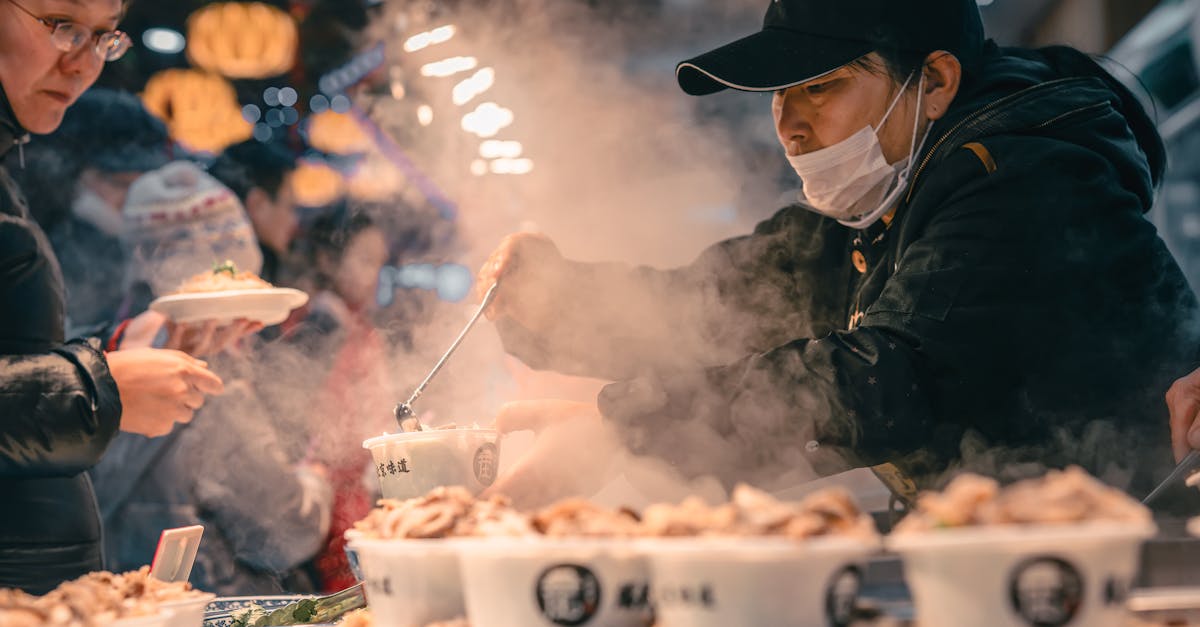
Street food is an essential part of Beijing’s culinary landscape, with vendors offering a variety of snacks that are both tasty and affordable. Try baozi, steamed buns filled with meat or vegetables, or indulge in chuanr, skewered meat grilled to perfection. The lively atmosphere of street food markets adds to the experience, creating a feast for the senses.
For a more formal dining experience, seek out restaurants that serve hot pot. This communal dining style involves cooking a variety of ingredients in a simmering pot of broth right at your table. It’s a fun and interactive way to enjoy a meal with friends or family.
Beijing also boasts a growing selection of international cuisine, from Italian to Indian, reflecting the city’s cosmopolitan nature. Whether you’re dining in a high-end restaurant or sampling street food, the flavors of Beijing are sure to leave a lasting impression.
Getting Around Beijing#
Navigating Beijing is manageable, thanks to its extensive public transportation system. The subway is one of the most efficient ways to travel, with multiple lines connecting major attractions and neighborhoods. It’s affordable and user-friendly, with signs in both Chinese and English, making it accessible for international travelers.
Buses are another option for getting around, though they can be more challenging for non-Chinese speakers due to the lack of English signage. However, they are an economical way to explore the city if you’re willing to navigate the routes.
Taxis are widely available and relatively inexpensive compared to those in many American cities. However, it’s advisable to have your destination written in Chinese to help the driver understand where you want to go. Ridesharing services are also popular and can be a convenient option for those who prefer to use an app.
Walking is a great way to explore certain neighborhoods, especially the hutongs and areas around major attractions. This allows you to take in the sights and sounds of the city at a leisurely pace. If you’re feeling adventurous, consider renting a bike to explore the city’s many bike lanes.
While renting a car is possible, it’s generally not recommended due to heavy traffic and the complexity of navigating the city. Public transportation or taxis are typically the most practical choices for visitors.
Budget Breakdown#

When planning your trip to Beijing, understanding the budget can help you make the most of your experience. For budget travelers, daily expenses can range from $50 to $80. This includes staying in budget accommodations, enjoying street food and local restaurants, and using public transportation to get around.
Mid-range travelers can expect to spend between $100 to $200 daily. This budget allows for comfortable hotels, dining at a mix of local and international restaurants, and exploring various attractions, including entrance fees.
Luxury travelers will find plenty of options in Beijing, with daily expenses typically ranging from $250 and up. This budget accommodates upscale hotels, fine dining experiences, and private tours of the city’s major attractions.
Regardless of your budget, Beijing offers a wide array of experiences that cater to all types of travelers, ensuring that you can enjoy the city without overspending.
Travel Tips for Beijing#
Language Barrier can be a challenge, as not everyone speaks English. It’s helpful to learn a few basic phrases in Mandarin or carry a translation app to facilitate communication. Having your destination written in Chinese can also assist taxi drivers and restaurant staff.
Cash vs. Card: While credit cards are accepted in many places, cash is still widely used, especially in markets and smaller shops. ATMs are readily available, and it’s a good idea to carry some local currency (Renminbi) for convenience.
Cultural Etiquette is important to respect while in Beijing. Be mindful of local customs, such as removing your shoes when entering someone’s home or a temple. It’s also polite to greet people with a smile and a nod, as a friendly demeanor goes a long way.
Weather Preparedness is essential, as Beijing’s climate can vary greatly depending on the season. Be sure to check the forecast before your trip and pack accordingly, whether it’s lightweight clothing for summer or warm layers for winter.
Connectivity is crucial for navigating the city. While Wi-Fi is available in many hotels and cafes, consider purchasing a local SIM card for reliable internet access during your travels. This will help you stay connected and access maps and translation services on the go.
Respect for Local Customs is vital when visiting religious sites. Dress modestly and behave respectfully in temples and other sacred places. Observing local practices demonstrates appreciation for the culture and enhances your experience.
By keeping these tips in mind, you can navigate Beijing with confidence, ensuring a smooth and enjoyable adventure in this captivating city.