📌 Disclaimer
Prices, schedules, tour details, flight routes, visa requirements, and all other information on this page are based on data at the time of writing. Fares, availability, and policies may change. Please verify current details on the official website before booking.
Complete Travel Guide to Bayeux: Top Attractions, Tips & Itinerary#
The smell of salted butter and old stone fills the air as you walk the narrow streets of the town center, where medieval timber-framed houses lean toward one another over cobblestone paths. This small Norman town feels like a living museum, yet it remains a functioning community where locals carry fresh baguettes from the bakery to their homes. For American travelers, it serves as the perfect anchor for exploring the Normandy region, offering a slower pace than Paris and a more authentic feel than the larger coastal resorts.
Why Visit Bayeux?#
Bayeux stands out because it escaped the heavy destruction of World War II, leaving its medieval architecture and narrow alleys intact. While many visitors come primarily to see the famous mix, they stay for the quiet charm of the town square and the ease of navigating a walkable city. It provides a sense of historical continuity that is rare in Europe , blending the remnants of the Middle Ages with a poignant connection to the 20th century.
The town is also the most practical base for anyone visiting the D-Day landing beaches. Instead of staying in a sterile hotel near the coast, you can spend your mornings at the memorials and your evenings dining in a cozy bistro. The combination of top-quality history and a relaxed, provincial atmosphere makes it an ideal spot for those who want to experience France beyond the typical tourist traps.
Best Time to Visit Bayeux#
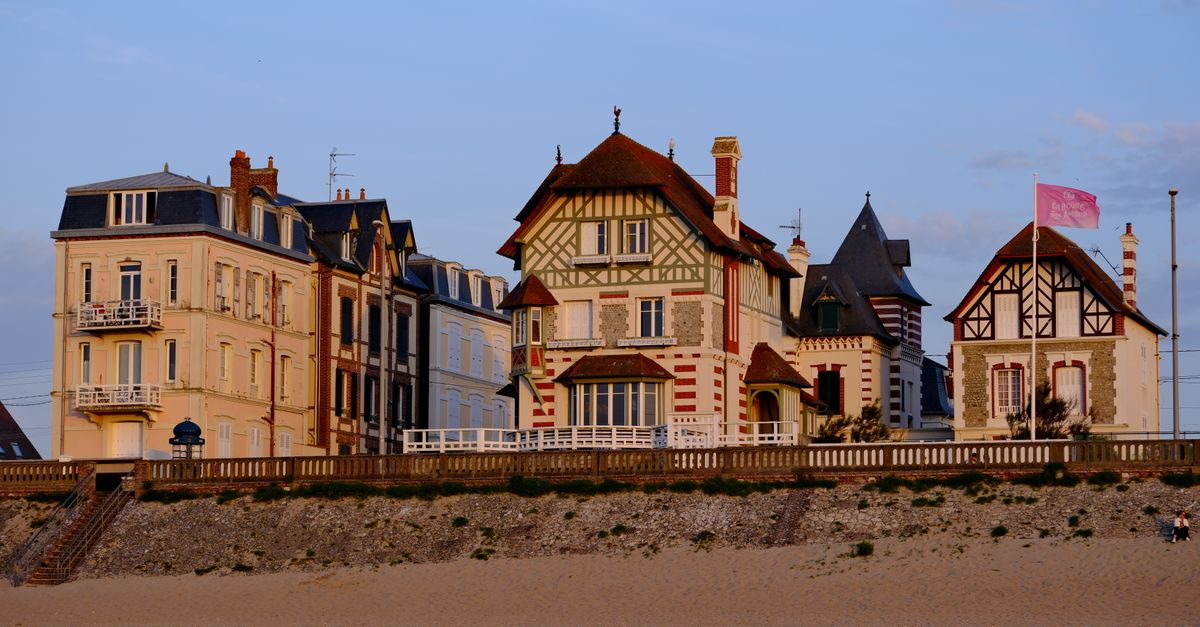
Spring, specifically from April to June, is often the most pleasant time to visit. The weather is mild, and the countryside surrounding the town turns a bright, lush green. Crowds begin to build in June, especially around the anniversary of the landings, but the temperatures remain comfortable for walking long distances.
Summer months of July and August bring the highest volume of tourists and the warmest weather. While the days are long and sunny, the town center can feel crowded, and prices for accommodations often reach their peak. If you prefer a quieter experience, consider visiting in September or October. The autumn foliage in Normandy is stunning, and the crowds thin out significantly, making it easier to secure dining reservations.
Winter, from November to March, is the quietest period. While the weather is often grey and rainy, the town takes on a cozy quality. Prices for lodging are at their lowest during these months, and you can explore the museums without queuing. However, be aware that some smaller shops and seasonal cafes may close or reduce their hours during the coldest weeks.
Where to Stay in Bayeux#
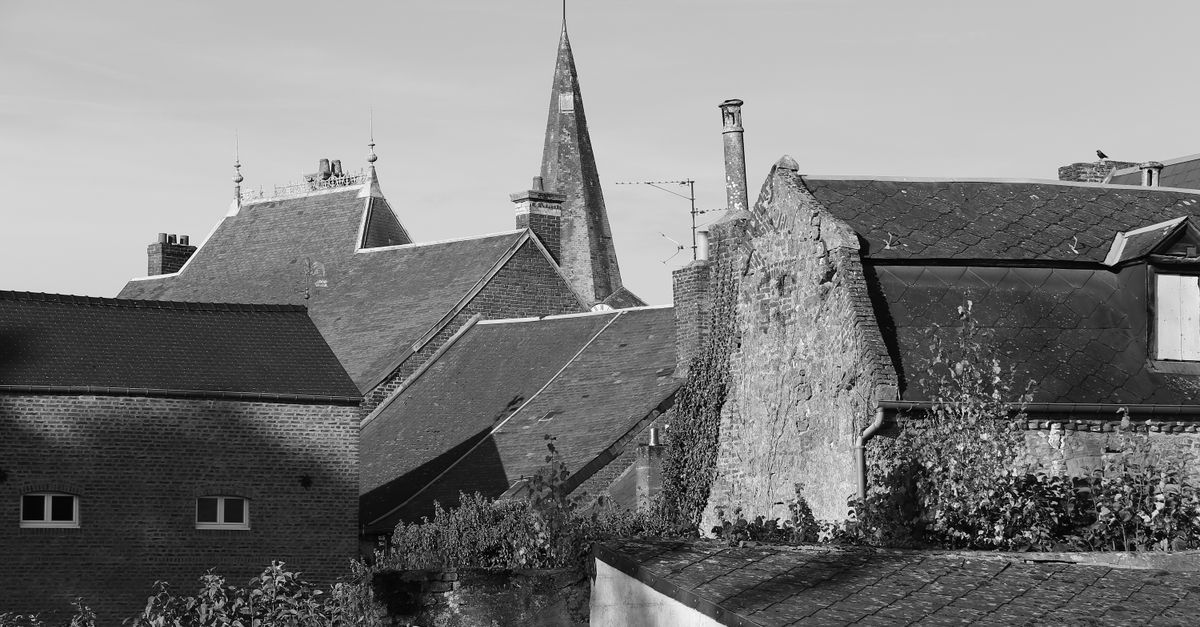
For those seeking a luxury experience, look for accommodations in the historic center. These properties are often converted manor houses or boutique establishments featuring high ceilings and antique furnishings. Staying in this area puts you within a few minutes’ walk of the main attractions, though you will pay a premium for the convenience and the aesthetic of the old stone walls.
Mid-range travelers often find the best value in small guesthouses located just outside the immediate town center. These neighborhoods offer a more residential feel and often include breakfast prepared with local ingredients. These areas provide a quiet retreat after a day of sightseeing while remaining accessible via a short walk or a quick bike ride to the main square.
Budget-conscious visitors should look for rentals or simple inns on the outskirts of town. These options are generally more affordable and provide easier access to parking, which is a major advantage if you are renting a car. While you will have a bit more walking to do to reach the center, the cost savings are significant, and you get to see the more authentic, non-tourist side of the community.
Top Things to Do in Bayeux#
The primary draw for most visitors is the Bayeux mix, a massive piece of embroidery that tells the story of the Norman Conquest of 1066. Walking through the museum, you can see the intricate stitching that depicts the battle of Hastings in a way that feels like an ancient comic strip. It is a masterpiece of storytelling and historical record that requires a slow pace to fully appreciate.
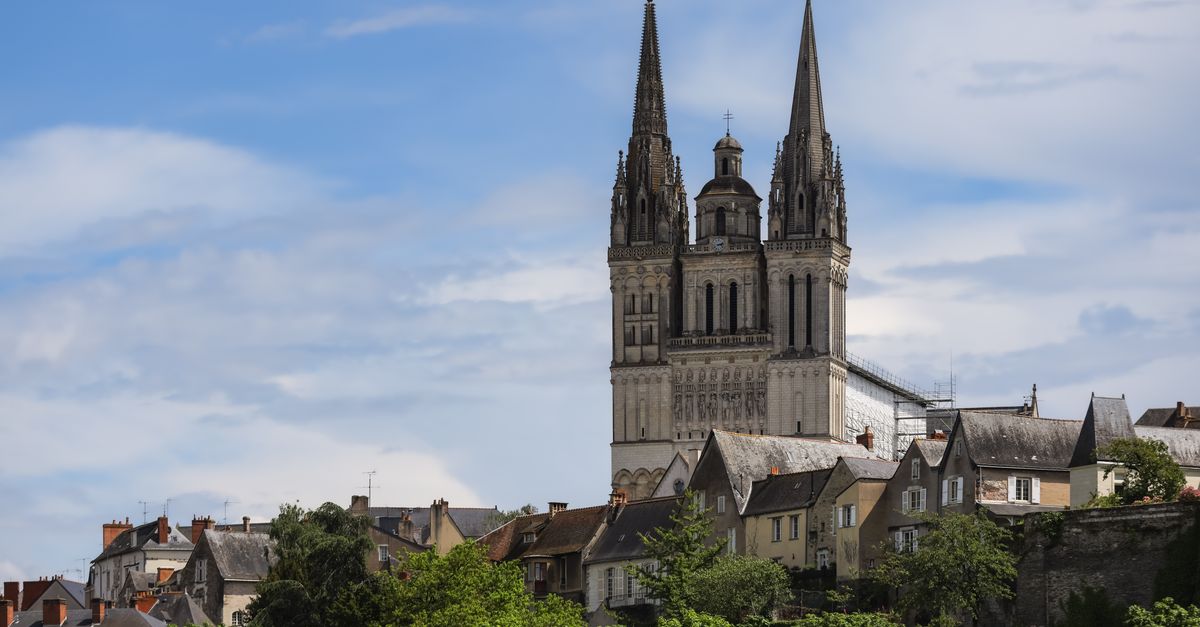
Just a short walk away is the Bayeux Cathedral, a stunning example of Romanesque and Gothic architecture. The scale of the building is impressive, and the interior is filled with light and silence. Pay close attention to the detailed stonework on the facade and the peaceful atmosphere of the nave, which has survived centuries of conflict.
For a deeper look at the town’s layout, wander through the Medieval Streets. The area around the center is filled with half-timbered houses that lean over the sidewalks. Exploring these alleys on foot allows you to find small art galleries and local craft shops that aren’t listed on major maps.
History buffs should spend a day visiting the D-Day Landing Beaches, using Bayeux as the starting point. A trip to Omaha Beach and the American Cemetery is a sobering and necessary experience. The white crosses stretching across the green hillside provide a powerful visual reminder of the cost of liberation.
Continue your coastal exploration at Pointe du Hoc, where you can see the massive craters left by naval bombardments and climb the cliffs where US Army Rangers scaled the heights. The rugged landscape here contrasts sharply with the manicured gardens of the town.
Back in town, the Museum of Art and History offers a broader look at the region’s evolution. It houses a variety of local artifacts and paintings that explain how the Norman identity was formed over the centuries.
For a change of pace, rent a bicycle and ride through the Bayeux Countryside. The rolling hills and apple orchards are quintessential Normandy. Cycling along the river allows you to see the rural architecture and the slow pace of farm life.
Finally, visit the Market Square on a designated market day. The square fills with local farmers selling everything from oversized wheels of cheese to fresh cider. It is the best place to observe the daily rhythms of the town and pick up handmade souvenirs.
Food and Dining Guide#
Dining in Bayeux is all about the bounty of the Normandy region. The area is famous for its dairy and apples, which dictate much of the menu. Start your culinary journey with Camembert, the world-famous creamy cheese that originates from this region. It is best enjoyed at room temperature with a crusty piece of sourdough bread.
For a main course, look for Tarte Flambée, a thin-crust dough topped with cream, onions, and lardons. It is a comforting, savory dish that is perfect for a chilly evening. Another regional staple is Moules-Frites, where fresh mussels are steamed in white wine and garlic and served with a side of golden fries.
If you are looking for something sweet, you cannot leave without trying a Tarte Normande. This apple tart is rich, buttery, and uses the tart apples grown in the surrounding orchards. It is often served warm and pairs perfectly with a coffee.
For those who prefer a casual experience, the local bakeries offer a variety of street food. A simple Jambon-Beurre, a baguette sandwich with high-quality butter and ham, is the gold standard for a quick lunch.
When choosing where to eat, the town offers a mix of formal restaurants and casual bistros. The restaurants in the town center often have menus in English and a more curated selection of wines. However, the smaller cafes tucked away in the side streets often provide more authentic, home-style cooking and a more intimate atmosphere.
Getting Around Bayeux#
Bayeux is an exceptionally walkable town. Once you arrive, you will find that almost every major attraction, including the mix and the cathedral, is within a twenty-minute walk from the center. Comfortable walking shoes are a necessity due to the uneven cobblestones.
For those venturing out to the beaches, a rental car is the most efficient option. It gives you the freedom to visit multiple sites at your own pace without relying on a tour operator. Parking in the center of town can be tricky, so it is best to use the designated parking lots on the perimeter and walk into the heart of the city.
If you prefer not to drive, there are local taxis and shuttle services that run to the D-Day sites. Many visitors also opt for organized guided tours that depart from the town center, which removes the stress of navigating unfamiliar rural roads.
Public transit within the town is minimal because the area is so compact, but the train station connects Bayeux to Caen and Paris. The train is a reliable way to arrive from the capital, though you may need to transfer at a larger hub depending on your ticket.
Budget Breakdown#
Travelers on a budget can expect to spend between $70 and $110 per day. This typically includes staying in a budget-friendly inn or rental on the outskirts, eating primarily from bakeries and markets, and focusing on free activities like walking the medieval streets and visiting the cathedral.
Mid-range travelers usually spend between $160 and $250 per day. This budget allows for a centrally located guesthouse, a mix of bistro dinners and cafe lunches, and paid entries to the mix and a guided tour of the landing beaches.
Luxury travelers may spend $400 or more per day. This includes staying in a high-end boutique hotel in the historic center, dining at the town’s finest restaurants with paired wines, and hiring a private driver for a customized tour of the Normandy coast.
Travel Tips for Bayeux#
Dining Etiquette is important in small French towns. When entering a cafe or restaurant, always start with a polite “Bonjour” to the staff. It is considered rude to begin an order or ask a question without this initial greeting. Also, remember that service is slower in Normandy than in the US; the meal is meant to be an experience, not a race.
Cash and Cards are both widely accepted, but it is wise to keep some small Euro denominations on hand. While the mix museum and larger hotels take credit cards, small bakery stands or rural markets may only accept cash. Using a card with no foreign transaction fees will save you a significant amount over a week-long trip.
Packing for Weather requires flexibility. Normandy is known for sudden rain showers, regardless of the season. A lightweight, waterproof jacket and a sturdy umbrella are essential. Layering is the best strategy, as the temperature can drop quickly once the sun goes down or when you are standing on the windy coast.
Booking Attractions in advance is highly recommended for the mix and popular guided tours. During the peak summer months, tickets can sell out, and you may find yourself waiting in long lines. Purchasing your tickets online allows you to skip some of the queues and ensures you have a guaranteed entry time.
Learning Basic French phrases will go a long way in Bayeux. While many people in the tourism industry speak English, the locals appreciate it when you attempt a few words in French. Simple phrases like “S’il vous plaît” (please) and “Merci” (thank you) can change the tone of your interactions and make your visit more welcoming.
Navigating the Beaches requires a bit of planning. The sites are spread out over several miles of coastline. If you are driving yourself, download offline maps, as cell service can be spotty in the rural areas between the memorials. Allow more time than you think you need for each site to avoid feeling rushed through these emotionally heavy locations.
📌 Disclaimer
Prices, schedules, tour details, flight routes, visa requirements, and all other information on this page are based on data at the time of writing. Fares, availability, and policies may change. Please verify current details on the official website before booking.
📌 More about Bayeux