📌 Disclaimer
Prices, schedules, tour details, flight routes, visa requirements, and all other information on this page are based on data at the time of writing. Fares, availability, and policies may change. Please verify current details on the official website before booking.
Why Visit Bariloche?#
The sharp scent of melted dark chocolate hangs heavy in the cool mountain air, mixing with the sweet woodsmoke drifting from corner artisan shops. San Carlos de Bariloche sits on the southern shore of Nahuel Huapi Lake in the Argentine province of Río Negro, functioning as an alpine escape that frequently catches American visitors entirely off guard with its resemblance to the Swiss Alps. Snow-dusted peaks frame deep blue glacial waters, while wooden chalet architecture lines the sloping streets. It feels less like South America and more like a transplanted European ski village, complete with master chocolatiers and local craft breweries.
For travelers making the long journey from the United States , this destination offers a seamless seasonal flip. When North America shivers through January, Bariloche basks in warm, sunny summer days perfect for hiking mountain ridges. Conversely, when northern summers peak, July brings heavy snowfall that transforms the surrounding slopes into a premier South American ski hub. The landscape merges massive national parks, ancient forests, and high-altitude lakes, providing a dramatic backdrop for both high-energy outdoor pursuits and slow-paced relaxation by a stone fireplace.
Beyond the scenery, the region delivers a distinct cultural blend. Mapuche indigenous traditions intertwine with the legacy of European immigrants who arrived in the twentieth century, particularly from Germany , Switzerland , and Italy . This heritage shapes everything from the local construction styles to the daily routine of afternoon tea paired with artisanal pastries. Navigating the town offers an accessible introduction to Argentine Patagonia, balancing rugged wilderness exploration with comfortable, sophisticated lodging and dining amenities.
Best Time to Visit Bariloche#
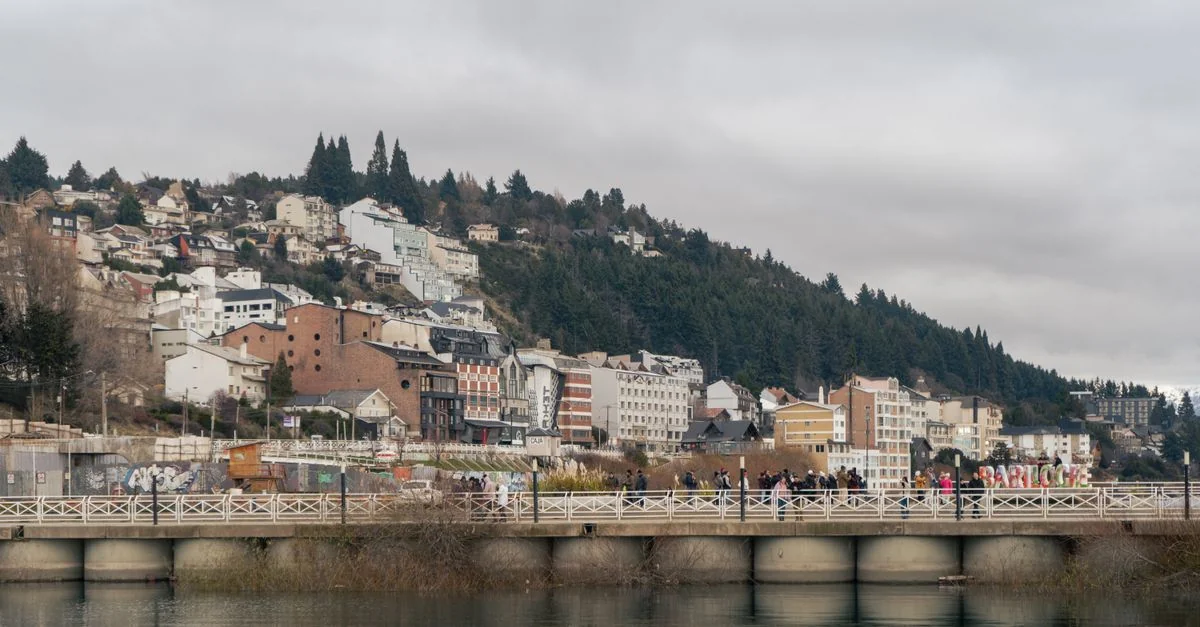
Planning a trip here requires deciding between two distinct weather personalities, as the region experiences distinct seasonal extremes. Summer runs from December through February, bringing daytime temperatures that hover comfortably in the mid-seventies Fahrenheit, occasionally pushing higher. This period delivers long hours of daylight, making it the ideal window for trekking, mountain biking, and kayaking across the expansive lake system. Crowds peak during January due to domestic school vacations, pushing lodging rates higher and requiring advance bookings for outdoor excursions and vehicle rentals.
Autumn arrives between March and May, painting the lenga beech forests in striking shades of amber, copper, and gold. Daytime temperatures drop into the fifties, and the summer crowds dissipate significantly, offering a quieter atmosphere for travelers seeking solitude. Pricing for accommodations tends to moderate during these shoulder months, though unpredictable rain and wind can occasionally disrupt outdoor plans.
Winter takes over from June to September, bringing heavy snowfalls to the surrounding peaks and attracting skiers and snowboarders from across the globe. Cathedral Hill becomes the epicenter of activity during these months, featuring extensive lift networks and snowy bowls. Prices for hotels and equipment rentals reach their annual peak during the July school holiday fortnight, while the surrounding town maintains a cozy, fireside ambiance. Spring follows in October and November, bringing blooming wildflowers, melting snow, and fluctuating weather that ranges from crisp sunshine to sudden squalls, alongside lower travel costs.
Where to Stay in Bariloche#
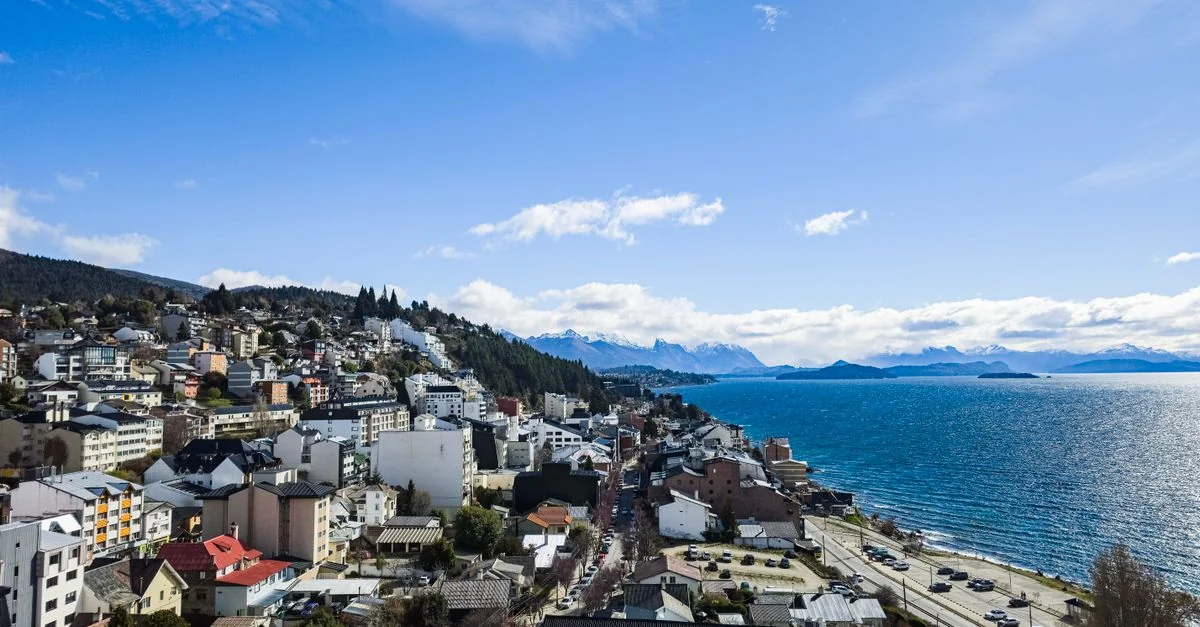
Choosing a neighborhood depends largely on whether the primary goal involves outdoor recreation, shopping, or quiet lake views. Staying directly in the downtown core places visitors within walking distance of the civic center, chocolate shops, and transit hubs. Accommodations here skew toward practical mid-range apartments and traditional town hotels, making it a convenient base for travelers relying on public buses rather than rental cars. Rates in this central zone remain relatively steady throughout the year, appealing to those who prefer stepping out directly into cafes and restaurants without needing a vehicle.
Just west of the center, the Bustillo Avenue corridor stretches along the lake toward the Llao Llao peninsula, serving as the premier zone for luxury travelers. High-end lodges and boutique lakeside estates dot this scenic route, offering panoramic water views, private beach access, and secluded woodland settings. Prices at these upscale properties reflect their exclusivity, often including spa facilities and fine dining on-site. Visitors staying along this corridor typically require a rental car or rely on taxis to reach the town center.
Further out, the Colonia Suiza area provides a rustic alternative for budget-conscious travelers and campers. Located deeper into the Valdivian temperate rainforest, this historic settlement features modest guesthouses, wooden cabins, and campgrounds surrounded by hiking trails. The atmosphere feels deeply removed from urban life, with local artisan markets operating on weekends and traditional curanto feasts cooked underground. Budget accommodations in this outer zone generally start around modest nightly rates, attracting backpackers and independent explorers.
Top Things to Do in Bariloche#
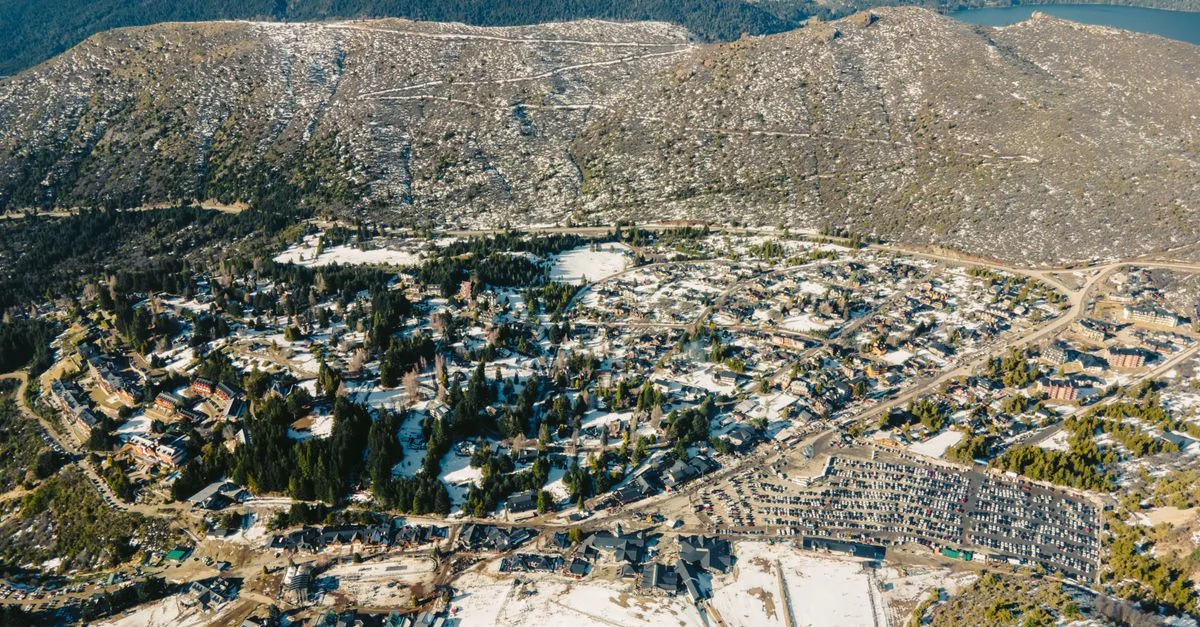
Exploring the region begins with a drive along the Circuito Chico, a scenic sixty-kilometer loop that winds past shimmering bays, towering cypress trees, and rocky viewpoints. Stopping at Punto Panorámico reveals a sweeping vista of Nahuel Huapi Lake, emerald islands, and distant snow-capped cordilleras that defines the classic Patagonian postcard. Continuing along this route leads to Cerro Campanario, where a chairlift ascends to a summit widely praised for offering one of the finest panoramic views on the South American continent.
For deeper mountain immersion, Mount Catedral stands as the region’s premier hub for alpine sports and high-altitude trekking. In the warmer months, network trails weave through alpine meadows and rocky ridges, while winter turns the slopes into a massive popular with skiers and snowboarders of all skill levels. Another accessible peak, Cerro Otto, features a rotating mountaintop cafe that completes a full three-hundred-sixty-degree revolution every twenty minutes, allowing diners to watch the shifting light over the lake while enjoying local pastries.
Moving beyond the standard viewpoints, Nahuel Huapi National Park holds countless hidden trails, including the moderate hike to Refugio Frey, a stone mountain hut nestled beside a glacial lagoon beneath sheer granite spires. Hikers often spend the night in the stone bunkhouse or camp outside under a canopy of stars before tackling higher ridges. Water-based adventures thrive on Lake Nahuel Huapi, where boat excursions take travelers to Victoria Island and the dense myrtle forests of the Arrayanes National Park, where rare cinnamon-colored trees create a surreal, glowing woodland canopy reminiscent of fairy tales.
For a slower afternoon, exploring the historic Civic Center offers a look at regional architecture crafted from local stone and timber, flanked by the shores of the lake and local street performers. A short distance away, Plaza Belgrano provides a quiet green space dedicated to the region’s indigenous history, featuring striking sculptures and views of the surrounding hills. Visitors seeking local crafts can browse the Feria Artesanal Municipal, where regional artisans sell hand-carved woodwork, woolen ponchos, and silver jewelry crafted in traditional Patagonian styles.
Food and Dining Guide#
The regional diet revolves around European culinary techniques infused with Patagonian ingredients, resulting in hearty dishes designed to combat mountain weather. No visit is complete without tasting Cordero Patagónico, a slow-roasted whole lamb cooked over an open wood fire for hours until the meat turns fork-tender with a deeply savory crust. Restaurants specializing in traditional barbecue serve this specialty alongside thick cuts of beef, often accompanied by fresh chimichurri sauce made from garlic, parsley, and chili flakes.
Another regional staple is Curanto, a traditional feast originating from indigenous Mapuche culture, involving meat, potatoes, vegetables, and local fruits cooked underground over hot stones covered with leaves and burlap. For a lighter, comforting option, Goulash con Spätzle reflects the heavy Swiss and German immigrant influence, featuring tender beef in a rich paprika-infused gravy served over soft egg noodles. Local waters also yield fresh Trucha (trout), usually prepared simply with lemon, butter, and herbs to highlight the clean, crisp flavor of fish caught in nearby glacial streams.
Dessert culture centers entirely around Chocolate Artesanal, with historic storefronts lining Mitre Street offering everything from solid dark chocolate bars filled with dulce de leche to thick, creamy hot drinking chocolate. Visitors should also sample Alfajores, consisting of two delicate shortbread cookies pressed together with a thick layer of regional caramel and coated in dark chocolate. Street food vendors around the civic center and artisan markets offer quick bites like warm empanadas filled with spicy beef or ham and cheese, while local brewpubs pour craft IPAs and stouts brewed with pure mountain meltwater.
Getting Around Bariloche#
Navigating the region depends on your itinerary, as attractions are spread out across a vast national park system. Public buses, managed by the local transit network, operate frequently along major routes like Bustillo Avenue and connect the town center to nearby trailheads and ski resorts. Travelers using public transit must purchase and load a rechargeable electronic card at designated kiosks or convenience stores, as cash is not accepted on board. While buses represent an economical choice, they can become crowded during peak morning and evening commuting hours.
Taxis and ride-hailing options remain readily available within the downtown grid and major hotel corridors, offering a convenient alternative for evening dining trips or shorter excursions. For travelers planning to explore remote trailheads, hidden lakes, and outlying villages like Colonia Suiza, renting a car provides the necessary flexibility. Rental agencies operate out of the local airport and downtown offices, featuring both manual and automatic vehicles, though manual transmissions remain standard and should be requested well in advance.
Road conditions vary significantly, ranging from well-paved lakeside highways to rough, unpaved gravel mountain tracks that require careful driving and high clearance. During the winter months, carrying snow chains is legally mandatory on many mountain routes, and rental companies typically provide them along with instructions for installation. Walking works wonderfully for exploring the compact downtown commercial district, but pedestrian infrastructure diminishes rapidly once you venture along the winding lakeside avenues outside the center.
Budget Breakdown#
Planning financial expenses requires factoring in seasonal price fluctuations, as summer and winter peaks drive up lodging and transport costs. Budget travelers can manage daily expenses within a range of fifty to eighty dollars per day by staying in hostel dormitories or basic guesthouses, riding public buses, and eating a mix of street empanadas and self-catered meals from local supermarkets. This tier relies on free outdoor activities like walking lower forest trails and relaxing along public lake beaches rather than paid chairlifts or guided boat tours.
Mid-range travelers typically spend between one hundred fifty and three hundred dollars per day, securing comfortable three-star hotel rooms or private cabins, renting a compact car for flexibility, and dining out at traditional steakhouses and brewpubs. This budget accommodates paid excursions such as chairlift rides, guided trekking tours, and moderate entry fees to national park sites, along with daily splurges on artisanal chocolates and regional wines.
Luxury travelers can expect daily expenditures starting around four hundred dollars and scaling upward based on accommodation choices. This tier unlocks five-star lakeside lodges along Bustillo Avenue, private guided alpine excursions, helicopter tours, and reservations at exclusive dining establishments featuring avant-garde Patagonian tasting menus. High-end visitors often utilize private transfers rather than rental cars, ensuring a seamless experience across all logistics while enjoying top-tier comfort amidst the wilderness.
Travel Tips for Bariloche#
Altitude awareness plays a crucial role upon arrival, as visitors ascending into the surrounding mountain trails often underestimate the thin air. Drinking plenty of water and allowing the body a day to adjust before attempting strenuous uphill treks helps prevent headaches and fatigue.
Payment methods require careful planning due to fluctuating exchange rates and banking regulations in Argentina . While international credit cards are widely accepted in hotels and major restaurants, carrying physical cash in Argentine pesos remains essential for small shops, buses, and tipping local guides.
Weather preparation is vital because alpine microclimates can shift from warm sunshine to freezing wind and rain within a single afternoon. Packing layers, including a reliable waterproof shell and sturdy, broken-in hiking boots, ensures comfort regardless of sudden atmospheric changes.
Wildlife safety demands respect when encountering local fauna, particularly the wild boars and native deer inhabiting the national park forests. Visitors must never feed wildlife and should maintain a safe distance from any animal encountered on remote trails.
Environmental responsibility protects the pristine nature of the region through strict adherence to leave-no-trace principles. Carrying out all trash, avoiding single-use plastics, and staying strictly on marked trails helps preserve the delicate native flora for future visitors.
📌 Disclaimer
Prices, schedules, tour details, flight routes, visa requirements, and all other information on this page are based on data at the time of writing. Fares, availability, and policies may change. Please verify current details on the official website before booking.
📌 More about Bariloche