📌 Disclaimer
Prices, schedules, tour details, flight routes, visa requirements, and all other information on this page are based on data at the time of writing. Fares, availability, and policies may change. Please verify current details on the official website before booking.
Why Visit Bari?#
The morning air in the old town carries the sharp, comforting scent of burning olive wood and flour dusting damp stone tables. Women sit outside their doorways in the narrow alleys of Bari Vecchia, hands moving with practiced speed to shape mounds of durum wheat dough into small, ear-shaped pasta known as orecchiette. This coastal city on the heel of Italy ’s boot offers a genuine slice of southern Mediterranean life that remains largely untouched by the mass tourism swamp consuming Venice or Florence . Here, daily routines play out in public squares, laundry drapes lazily between second-story balconies, and the Adriatic Sea laps against seawalls where fishermen haul in their morning catches.
For American travelers seeking an authentic Italian escape without the overwhelming crowds and inflated prices of the north, Bari serves as the ultimate gateway to the Puglia region. The city acts as a major transport hub while retaining its own distinct character, defined by Romanesque architecture, Norman castles, and a proud maritime history. Navigating the labyrinthine medieval streets feels like stepping back centuries, yet the city balances this antiquity with grand nineteenth-century boulevards, a sprawling seaside promenade, and a thriving cafe culture where locals debate politics over thick espresso.
Beyond the immediate urban appeal, Bari operates as an ideal base for exploring the wider region. Trains and buses connect the city easily to the iconic conical trulli houses of Alberobello, the cliffside dwellings of Matera, and the coastal towns of Polignano a Mare and Monopoli. Spending a week here allows travelers to settle into a relaxed rhythm, trading the hectic pace of typical vacation itineraries for long lunches, afternoon passeggiata walks along the waterfront, and deep dives into the region’s agricultural bounty.
Best Time to Visit Bari#
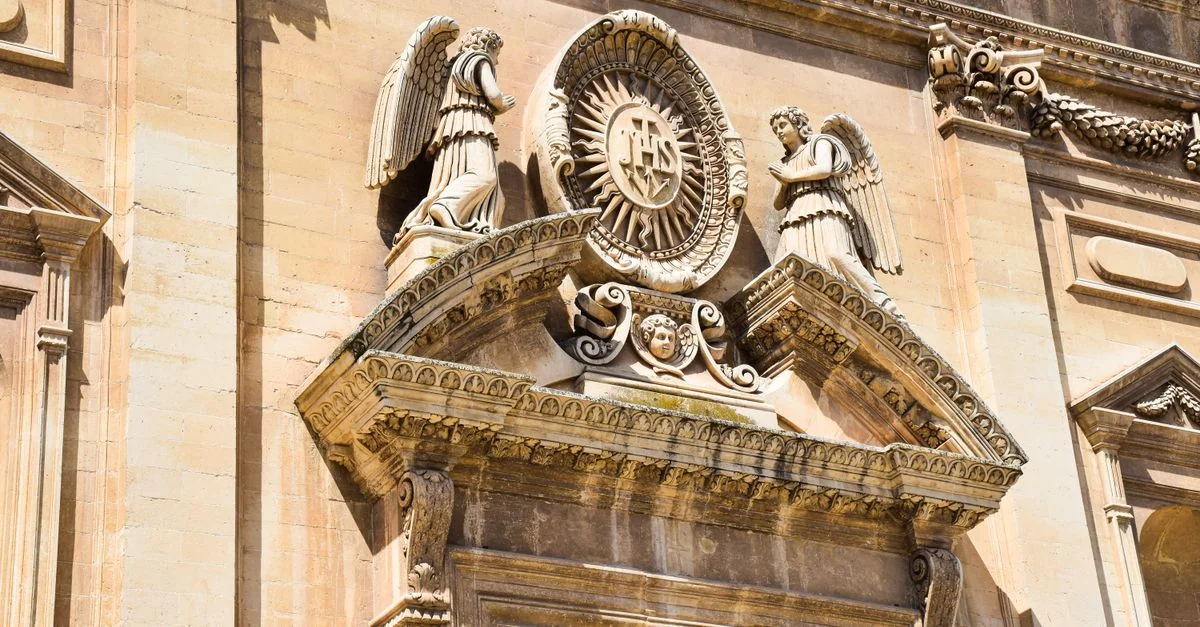
Planning a trip to Bari requires considering the intense heat of the Italian summer, which can make midday exploration exhausting. The shoulder seasons of spring, specifically spanning from April through May, and autumn, running from September through October, offer the most favorable weather for American visitors. During these months, daytime temperatures hover in the comfortable range, allowing for pleasant walking tours of the historic center and comfortable day trips into the surrounding countryside without the stifling humidity of July and August.
Summer brings peak tourist season, primarily driven by European vacationers heading to the coast. Months like July and August see hotel prices peak, beaches crowded to capacity, and many local businesses closing for a week or two around the mid-August holiday of Ferragosto. However, summer also delivers long daylight hours, lively evening social scenes, and numerous outdoor festivals featuring regional music and food. Travelers seeking lower accommodation rates and quieter streets will find late autumn and winter appealing, though rainfall increases and some coastal amenities close for the off-season.
Where to Stay in Bari#
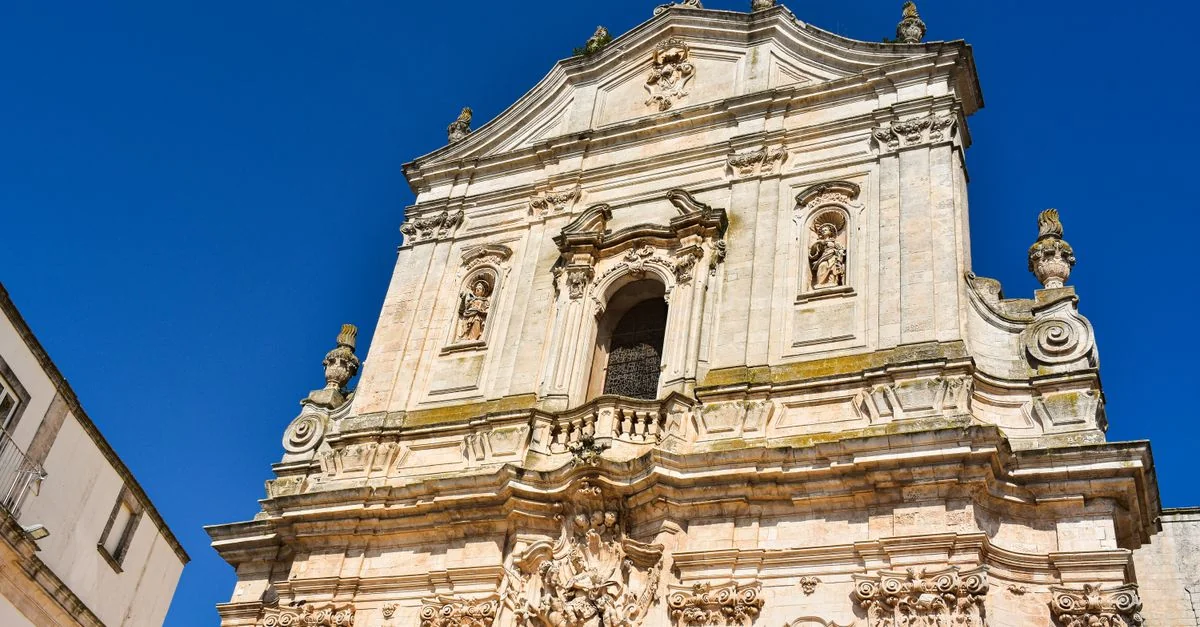
Choosing where to lay your head in Bari depends entirely on the travel style you prefer. The historic core, known locally as Bari Vecchia, provides a dramatic setting for a stay, characterized by ancient stone walls, winding alleys, and immediate proximity to historic landmarks. Accommodations here are predominantly budget-friendly guesthouses and mid-range bed-and-breakfasts managed by local families. Staying in this neighborhood places you steps away from street vendors and ancient churches, though the nighttime bustle can occasionally linger into the early hours.
Just south of the old town lies the Murat District, laid out in a clean, grid-like pattern during the nineteenth century. This area represents the commercial heart of the city, featuring wide avenues lined with elegant neoclassical buildings, upscale shopping, and numerous cafes. Travelers seeking mid-range hotels and modern apartment rentals will find plenty of options here. The Murat district offers a quieter, more orderly atmosphere at night while keeping you within a short walking distance of both the historic center and the central railway station.
For those prioritizing sea views and a relaxed coastal atmosphere, the Lungomare Nazario Sauro neighborhood sits directly along the seafront promenade. This area features some of the city’s most upscale properties and boutique lodgings. Walking along the wide boulevard lined with historic lampposts provides easy access to the rocky beaches and seafood restaurants. It caters well to travelers seeking a touch of luxury and tranquility while remaining well-connected to the urban core.
Top Things to Do in Bari#
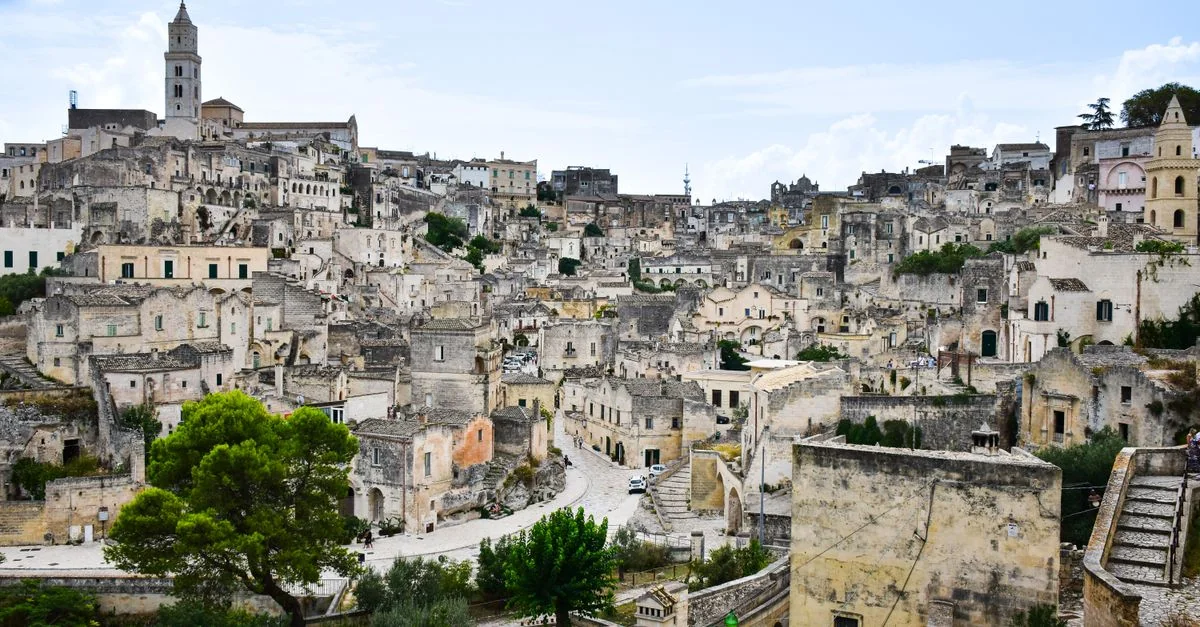
Begin your exploration in the heart of the medieval quarter at the Basilica di San Nicola, a magnificent Romanesque church that houses the relics of Saint Nicholas, the historical figure who inspired the Santa Claus legend. The interior features a striking marble bishop’s throne and a crypt supported by dozens of carved stone columns. Wandering just a few blocks away brings you to the imposing Castello Svevo, a massive Norman-Hohenstaufen fortress surrounded by a deep dry moat. Walking the ramparts provides sweeping views of the harbor and the surrounding rooftops.
A stroll down Arco Alto reveals the beating heart of local culinary traditions, where neighborhood women sit outside crafting pasta by hand on low wooden tables. Purchasing a bag of freshly dried orecchiette directly from the makers makes for an authentic souvenir. Moving toward the modern side of the city, the Teatro Petruzzelli stands as a grand opera house that has hosted world-renowned performers for over a century, showcasing an ornate interior of gold leaf and red velvet.
For a taste of daily local life, spend a morning at the Bari Fish Market, known locally as N’derr a la Lanz. Here, fishermen unload their nets directly onto the stone docks, offering raw octopus, sea urchins, and shellfish that brave locals consume on the spot with a squeeze of lemon and a splash of local white wine. Afterward, walk off the seafood feast along the Lungomare, the sprawling seaside promenade that stretches for miles along the Adriatic, offering refreshing sea breezes and views of the historic skyline.
Venture slightly away from the center to visit the Pinacoteca Corrado Giaquinto, an art gallery housed in a seaside palazzo that features an impressive collection of southern Italian paintings spanning from the medieval period to the twentieth century. For a peaceful escape from the urban energy, the Orto Botanico dell’Università di Bari provides a quiet sanctuary filled with Mediterranean flora, succulents, and shaded walking paths that showcase the region’s diverse plant life.
Food and Dining Guide#
The culinary landscape of Bari revolves around simple, high-quality ingredients sourced directly from the fertile surrounding countryside and the bountiful Adriatic Sea. The defining dish of the city is Orecchiette alle Cime di Rapa, pasta tossed with slightly bitter turnip greens, garlic, anchovies, and a generous dusting of red pepper flakes. This rustic preparation highlights the resourcefulness of southern Italian cooking, transforming humble garden greens into a deeply satisfying meal.
Another local staple is riso, patate e cozze, a baked casserole layering rice, sliced potatoes, fresh mussels, tomatoes, and herbs. The starch from the potatoes and rice creates a rich, savory broth as the dish bakes in a wood-fired oven. For a quick snack while exploring the streets, look for focaccia barese, a thick, spongy flatbread topped with juicy cherry tomatoes, black olives, and a heavy drizzle of extra virgin olive oil. It is typically purchased warm from neighborhood bakeries and eaten on the go.
Street food culture also shines through sgagliozze, which are squares of polenta fried until crispy and golden brown, and panzerotti, deep-fried pockets of dough stuffed with mozzarella and tomato sauce. These are best enjoyed straight from the paper wrapping while wandering the narrow alleys. When dining out, sit-down restaurants range from casual family-run trattorias serving hearty pasta dishes to refined establishments offering creative takes on fresh seafood paired with crisp regional wines like Fiano Minutolo or Primitivo.
Getting Around Bari#
Navigating Bari is refreshingly straightforward, largely due to the compact and pedestrian-friendly nature of the historic center. Exploring Bari Vecchia and the Murat district requires nothing more than a sturdy pair of walking shoes, as vehicular traffic is heavily restricted in the old town. For longer distances within the city, a reliable network of municipal buses connects residential neighborhoods to the major transport hubs and coastal areas.
Taxis are readily available outside the central train station and major public squares, though hailing one on the street is uncommon. It is always wise to confirm that the meter is running before setting off on your ride. Renting a car is unnecessary if you plan to stay strictly within the city limits, but it becomes a valuable asset for travelers wanting to explore the surrounding Puglian countryside, trulli towns, and coastal villages at their own pace. Drivers should note that parking in the city center can be challenging, requiring reliance on designated parking garages on the urban fringe.
Budget Breakdown#
Traveling through Bari offers excellent value compared to major northern Italian tourist destinations, making it accessible for a range of financial plans. Budget travelers relying on guesthouses, street food, public transit, and free walking tours will find their daily expenses quite manageable, allowing for an extended stay without heavy spending. Hostels and simple rooms provide affordable sleeping arrangements, while meals consisting of focaccia, street snacks, and casual pizzerias keep food costs low.
Mid-range travelers can expect a more comfortable experience by booking boutique bed-and-breakfasts or modern apartments in the Murat district. This tier allows for sit-down dinners at traditional trattorias featuring multiple courses and local wine, occasional taxi rides, and paid entry to museums and historic sites. Rental cars for regional day trips also easily fit into a mid-range financial strategy.
Luxury travelers seeking high-end waterfront accommodations, private guided tours, and fine dining experiences featuring avant-garde seafood will find that Bari offers sophisticated options without the extreme price tags found in Amalfi or Milan . Premium hotels provide personalized service and prime locations, while private drivers ensure seamless transportation to nearby towns and vineyards.
Travel Tips for Bari#
Understanding local customs enhances the travel experience, starting with the traditional afternoon break known as riposo. Many small shops and family-run businesses close their doors between the mid-afternoon hours, reopening only in the late afternoon. Planning your itinerary around this schedule prevents frustration when trying to shop or run errands during the hottest part of the day.
Mastering basic tipping etiquette keeps interactions smooth and respectful. Tipping in Italy is not mandatory or expected in the same manner as in the United States , as service charges are often included on restaurant bills. Leaving a small amount of loose change or rounding up the bill is appreciated for good service, but large percentage-based tips are unnecessary.
Navigating language barriers is easier than in more remote areas, but learning a few phrases of Italian language basics goes a long way with locals. A simple “buongiorno” when entering a shop or “grazie” when receiving your coffee demonstrates respect for the local culture. Most service workers in hospitality speak English, but elders in the historic quarters will appreciate the effort.
Safety in Bari is generally high, but practicing standard urban safety awareness remains important. Pickpocketing can occur in crowded markets, train stations, and narrow alleys, so keeping valuables secure and remaining mindful of your surroundings prevents unwanted incidents during your stay.
Dressing appropriately for visits to sacred sites requires church dress codes that many travelers overlook. Both men and women should ensure their shoulders and knees are covered when entering churches like the Basilica di San Nicola, often requiring carrying a light scarf or jacket during warm weather months.
Managing your schedule means embracing the local dining schedule rather than eating early. Restaurants in Bari rarely fill up for dinner before nine o’clock in the evening, with many locals sitting down even later during the warm summer months. Arriving too early often means dining in an empty room while the staff finishes setting up.
📌 Disclaimer
Prices, schedules, tour details, flight routes, visa requirements, and all other information on this page are based on data at the time of writing. Fares, availability, and policies may change. Please verify current details on the official website before booking.
📌 More about Bari