📌 Disclaimer
Prices, schedules, tour details, flight routes, visa requirements, and all other information on this page are based on data at the time of writing. Fares, availability, and policies may change. Please verify current details on the official website before booking.
Why Visit Banff?#
The crisp mountain air fills your lungs as you step into Banff, where towering peaks and turquoise lakes create a breathtaking backdrop. This Canadian town, nestled within Banff National Park, offers an extraordinary blend of natural beauty, outdoor adventures, and a charming alpine atmosphere. The stunning landscapes are complemented by a lively community, where art galleries, boutiques, and cozy cafes invite exploration. The combination of these elements makes Banff not just a destination but an experience that captivates the senses.
Visitors to Banff are drawn to its diverse offerings, whether you’re an outdoor enthusiast seeking thrilling activities or someone who prefers a leisurely stroll through scenic vistas. The park’s diverse ecosystems support a variety of wildlife, and the opportunity to spot animals like elk and bears adds an element of excitement. With both summer and winter activities available, Banff caters to every type of traveler, ensuring each visit is unique and rewarding.
Best Time to Visit Banff#
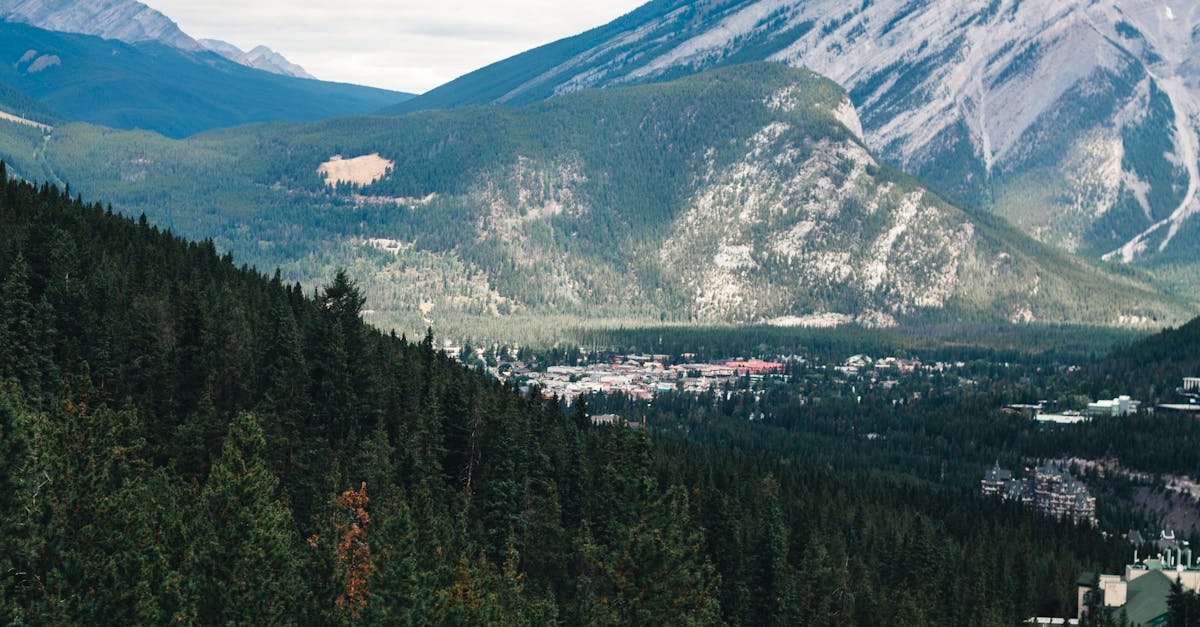
Banff experiences four distinct seasons, each with its own charm. Summer (June to August) is warm, with temperatures ranging from the mid-60s to mid-70s Fahrenheit. This is the peak season, drawing crowds for hiking, biking, and lake activities. Prices for accommodations can be higher, so booking in advance is wise.
Fall (September to October) brings a stunning display of autumn colors, providing a quieter atmosphere as the crowds begin to thin. Temperatures start to drop, ranging from the mid-40s to mid-60s. This season often features lower prices and fewer tourists, making it an excellent time for those who appreciate serene landscapes.
Winter (November to March) transforms Banff into a snowy wonderland. Skiing and snowboarding are popular, with temperatures ranging from the mid-20s to low 30s. While this is also a busy time, particularly during holidays, winter sports enthusiasts flock to the area, which can lead to higher accommodation rates.
Spring (April to May) is a transitional period as snow begins to melt and flowers bloom. Temperatures can vary from the mid-30s to 60s, and while it may be less predictable weather-wise, this season offers the chance to enjoy both winter and early spring activities. Prices typically begin to rise as summer approaches, but the scenery is worth it.
Where to Stay in Banff#
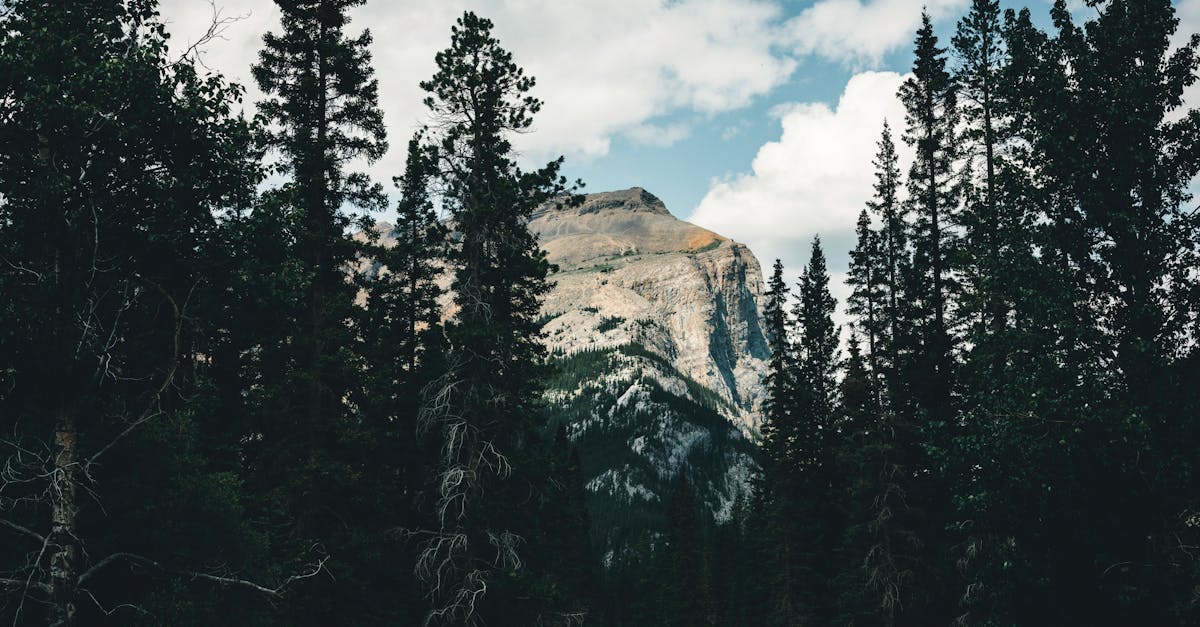
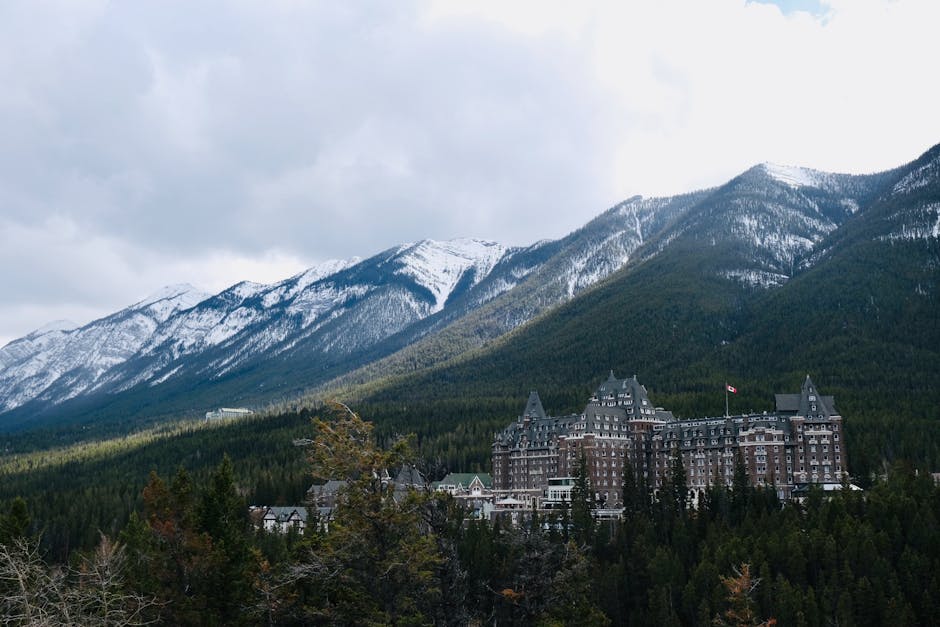
When considering accommodations in Banff, several neighborhoods cater to different budgets and preferences. The town center is ideal for those who want easy access to shops, restaurants, and attractions. Here, you’ll find a mix of budget and mid-range options, perfect for travelers looking to explore on foot.
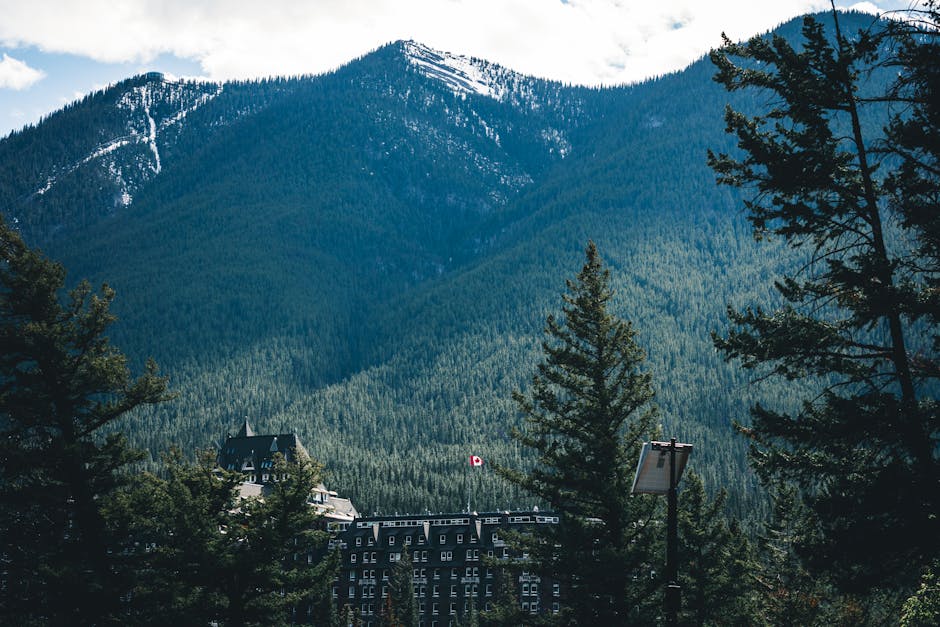
For a more upscale experience, consider staying near Banff Avenue. This area features a range of luxury accommodations, often with stunning mountain views and amenities such as spas and fine dining. It’s an excellent choice for those wanting a pampered experience after a day of adventure.
If you prefer a quieter setting, the Tunnel Mountain area offers a retreat from the hustle and bustle. Here, you can find a variety of lodges and cabins, providing a cozy atmosphere amidst nature. This neighborhood is also close to hiking trails, making it a great option for outdoor enthusiasts.
For budget-conscious travelers, the South Banff area offers hostels and affordable motels. While slightly farther from the town center, it provides a more laid-back vibe and easy access to nearby natural attractions, ensuring you can enjoy the beauty of Banff without breaking the bank.
Top Things to Do in Banff#
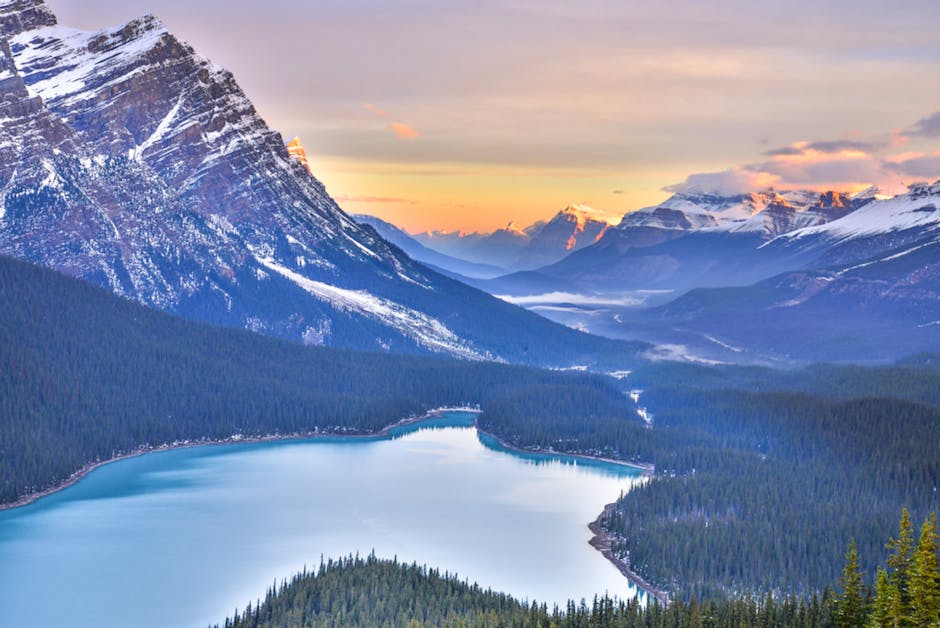
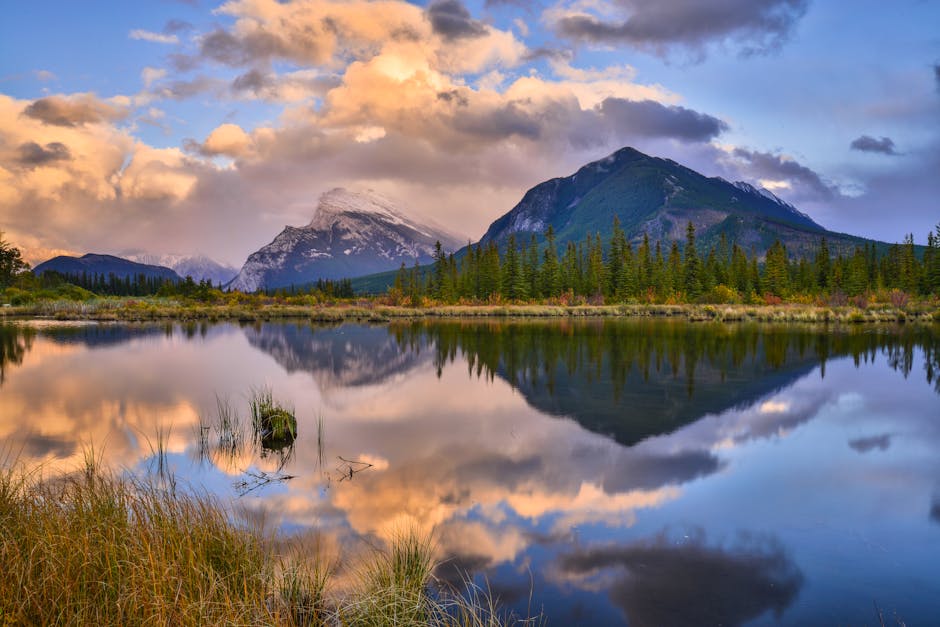
Banff is brimming with activities that cater to all interests, and one of the most iconic experiences is visiting Lake Louise. Its stunning turquoise waters and surrounding mountain scenery create an idyllic setting for hiking, canoeing, or simply enjoying a picnic by the shore. Nearby, the Moraine Lake offers equally breathtaking views, particularly during the early morning when the light casts a magical glow over the landscape.
For those who love to hike, the Plain of Six Glaciers trail delivers both challenge and reward. This moderate hike leads you to a teahouse with spectacular views of glaciers and the surrounding peaks, providing a perfect rest stop. Alternatively, the Johnston Canyon trail is a family-friendly option, featuring a series of waterfalls and unique rock formations along the way.
Wildlife enthusiasts can take advantage of the Banff Wildlife Corridor, where guided tours may provide opportunities to spot elk, deer, and other native species. These tours often share insights into the local ecosystem, enhancing the experience for nature lovers.
During winter months, Banff transforms into a ski paradise. The Banff Ski Resort offers top-quality slopes for skiers and snowboarders of all levels. If you prefer a more leisurely winter experience, try snowshoeing or cross-country skiing in the Canmore Nordic Centre, where trails cater to various skill levels.
For a unique perspective on the area, consider taking a scenic drive along the Icefields Parkway. This route, often regarded as one of the most beautiful drives in the world, connects Banff and Jasper National Parks and offers breathtaking views of glaciers, waterfalls, and mountain ranges.
After a day of exploring, unwind at the Banff Upper Hot Springs. These natural hot springs provide a soothing experience while you take in the stunning mountain scenery. It’s a perfect way to relax and rejuvenate after an active day.
Food and Dining Guide#
Banff’s dining scene reflects the natural bounty of the region, with many restaurants emphasizing local ingredients. Don’t miss trying Alberta beef, known for its quality and flavor. Several local eateries serve delicious steak dishes, making it a worth trying for meat lovers. Another local specialty is bison, often featured in gourmet burgers or hearty stews.
For a taste of the region’s diverse flavors, consider sampling poutine, a dish of fries topped with cheese curds and gravy. Many places offer their own twists on this classic Canadian comfort food, making it a perfect snack after a long day of exploration.
If you’re in the mood for something lighter, bannock—a traditional Indigenous bread—can be found in various forms throughout Banff. Enjoy it fresh from a local bakery or as a side to a meal at a restaurant.
Street food is also available, especially during the summer months. Vendors often set up near popular attractions, offering quick bites like smoked salmon sandwiches or maple syrup taffy. These treats are perfect for fueling your adventures without taking too much time away from exploring.
For a more formal dining experience, Banff boasts several upscale restaurants that highlight the region’s culinary talents. Many feature seasonal menus with dishes crafted from locally sourced ingredients, ensuring a delightful and flavorful experience.
Getting Around Banff#
Getting around Banff is relatively straightforward, thanks to a well-connected public transit system. The Roam Transit service offers convenient bus routes that connect key areas within Banff and the surrounding national park. This option is economical and allows you to relax while enjoying the scenery.
For those who prefer a more flexible experience, renting a car provides the freedom to explore at your own pace. Parking is available in various locations throughout Banff, though keep in mind that some areas may have time restrictions or fees. If you’re planning to venture into the more remote areas of the national park, a car may be the best choice.
Walking is another popular way to get around, especially in the town center. Many attractions, restaurants, and shops are within a short distance, making it easy to explore on foot. Be sure to wear comfortable shoes, as the terrain can vary.
Taxis and ride-sharing services are also available, providing a convenient option for those late nights out or when you prefer not to walk. However, they can be pricier than public transit, especially during peak seasons.
Budget Breakdown#
When planning a trip to Banff, budgeting can vary significantly based on your travel style. For those on a budget, daily expenses typically range from $100 to $150. This includes accommodation in budget hotels or hostels, meals at casual eateries, and public transportation.
Mid-range travelers can expect to spend between $200 and $350 daily. This budget allows for comfortable lodging in mid-range hotels, dining at a mix of casual and nicer restaurants, and engaging in popular activities like guided tours or ski rentals.
For luxury travelers, daily expenses can easily range from $400 to $800 or more, depending on the level of comfort desired. This budget accommodates upscale accommodations, fine dining experiences, and private tours or exclusive activities.
Regardless of your budget, it’s essential to plan ahead for popular activities, especially during peak seasons, to ensure you secure your desired experiences without overspending.
Travel Tips for Banff#
Plan Ahead: Banff can get busy, particularly during peak seasons. Booking accommodations and popular activities in advance can save you time and money, ensuring you don’t miss out on your desired experiences.
Dress in Layers: The weather in the mountains can change quickly, so dressing in layers is essential. This allows you to adapt to varying conditions throughout the day, whether you’re hiking, dining, or exploring the town.
Stay Hydrated: With the elevation in Banff, it’s crucial to stay hydrated, especially if you’re engaging in outdoor activities. Carry a reusable water bottle and refill it throughout the day to keep your energy levels up.
Respect Wildlife: When exploring the national park, always keep a safe distance from wildlife. Feeding animals is prohibited, as it can disrupt their natural behavior and lead to dangerous situations for both visitors and wildlife.
Embrace Local Culture: Take the time to learn about the Indigenous cultures that have shaped the region. Many local tours and attractions provide insights into the history and traditions of the First Nations, enriching your travel experience.
Explore Beyond the Town: While Banff itself is charming, don’t hesitate to venture into the surrounding areas. Nearby towns like Canmore and Lake Louise offer unique experiences and stunning landscapes that are worth discovering.
Be Mindful of the Environment: Banff is a beautiful natural area that requires preservation. Follow Leave No Trace principles, dispose of waste properly, and respect the natural habitats you encounter.
With its stunning landscapes and diverse activities, Banff is a destination that offers something for everyone. Whether you’re seeking adventure or relaxation, this Canadian treasure promises an experience that will linger long after you leave.