📌 Disclaimer
Prices, schedules, tour details, flight routes, visa requirements, and all other information on this page are based on data at the time of writing. Fares, availability, and policies may change. Please verify current details on the official website before booking.
Why Visit Avignon?#
📌 More about Avignon
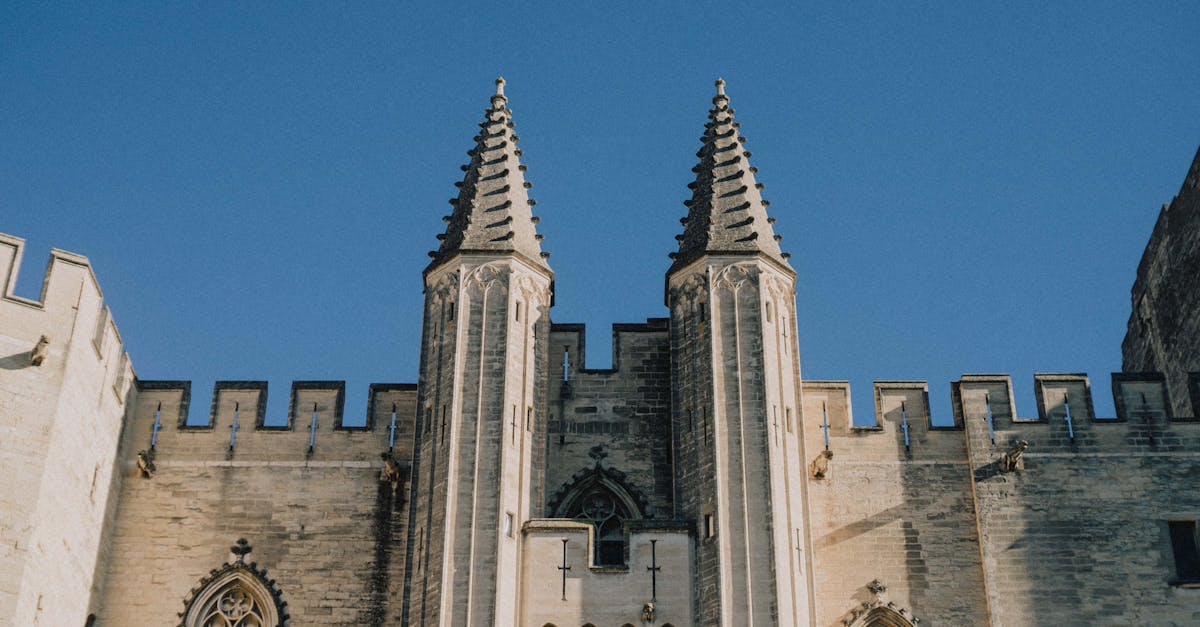
The scent of lavender wafts through the air as you stroll along the cobblestone streets of Avignon, where medieval architecture stands proudly against the backdrop of the Rhône River. The city, known for its stunning historical significance, is a UNESCO World Heritage Site that draws visitors in with its impressive structures and lively atmosphere. Avignon is perhaps best known for the Palais des Papes, a magnificent Gothic palace that served as the seat of the papacy in the 14th century. The intricate details of its façade and the surrounding gardens invite exploration, making it a focal point of the city’s long history.
Beyond its remarkable buildings, Avignon offers a unique blend of art, culture, and local traditions. The annual Festival d’Avignon, one of the most important theater festivals in the world, transforms the city into a stage for performers and artists from all over. The lively streets come alive with performances, exhibitions, and street art, creating a dynamic environment that celebrates creativity. This fusion of history and contemporary culture makes Avignon a captivating destination for travelers seeking both enlightenment and enjoyment.
Best Time to Visit Avignon#
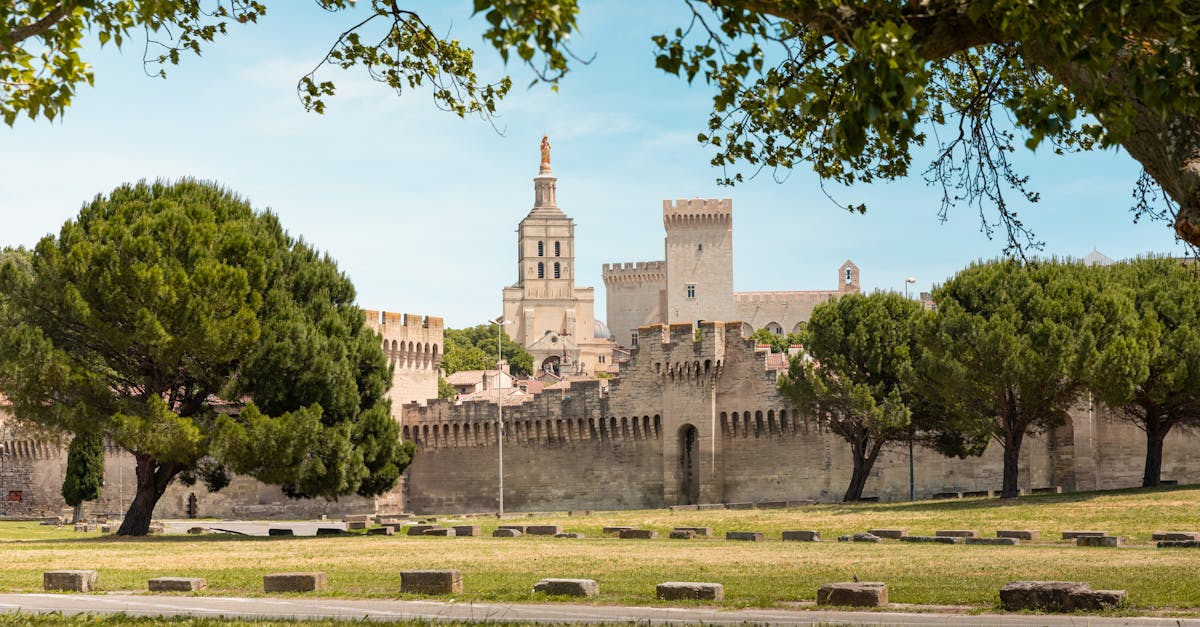
Avignon experiences a Mediterranean climate, characterized by hot summers and mild winters, making it a year-round destination. The ideal time to visit is during the spring months of April to June and the fall months of September to October. During these seasons, the weather is pleasantly warm, with temperatures ranging from the mid-60s to mid-80s Fahrenheit, perfect for exploring the city’s outdoor attractions. Additionally, the crowds are more manageable compared to the peak summer months, ensuring a more relaxed experience.
Summer, particularly July, is the peak tourist season, coinciding with the Festival d’Avignon. While the atmosphere is electric, expect larger crowds and higher prices for accommodations and activities. Winters can be chilly, with temperatures dropping to the low 40s, but the city takes on a quieter charm, making it an excellent time for those looking to escape the hustle and bustle of tourist hotspots.
Where to Stay in Avignon#
Accommodations in Avignon cater to a variety of budgets and preferences, ensuring a comfortable stay for every traveler. For budget-conscious visitors, the area surrounding the Avignon Centre offers a range of hostels and guesthouses. These budget options typically start around $30-50 per night, providing a cozy base for exploring the city while keeping costs down.
Mid-range travelers will find charming boutique hotels and well-appointed inns in the Historic Center. Staying here allows easy access to key attractions like the Palais des Papes and the Pont Saint-Bénézet. Prices in this area generally range from $80-150 per night, offering a balance of comfort and convenience.
For those seeking luxury, the Les Halles neighborhood presents upscale accommodations with elegant décor and top-notch amenities. Staying in this area allows guests to enjoy the nearby markets and local eateries while indulging in a more lavish experience. Prices for luxury hotels can vary widely, starting from around $200 per night, ensuring a refined stay in the heart of Avignon.
Top Things to Do in Avignon#
A visit to Avignon is incomplete without exploring the Palais des Papes, the largest Gothic palace in the world. This architectural marvel invites exploration through its grand halls and chapels, where you can learn about the history of the papacy. The Pont Saint-Bénézet, a medieval bridge that spans part of the Rhône River, is another iconic landmark. Although only a portion remains, the bridge offers stunning views and a chance to appreciate its historical significance.
Wandering through the Rocher des Doms park provides a peaceful respite with panoramic views of the city and the river. This lush garden, filled with native plants and trees, is perfect for a leisurely stroll or a quiet picnic. For art enthusiasts, the Collection Lambert showcases contemporary art in a beautifully restored 18th-century mansion, offering a different perspective on the region’s artistic landscape.
Don’t miss the Place de l’Horloge, the city’s main square, where you can enjoy a coffee at a sidewalk café while people-watching. The square is lively, especially in the evenings when street performers entertain passersby. For a more local experience, the Les Halles Market is worth visiting. This busy indoor market is a feast for the senses, filled with fresh produce, cheeses, and local specialties. It’s a great place to sample local flavors and interact with friendly vendors.
If you’re interested in history, a visit to the Musee du Petit Palais will introduce you to an impressive collection of Renaissance art, including works by artists like Botticelli and Raphael. For a unique experience, consider a guided tour of the Cloître Saint-Trophime, a stunning Romanesque cloister that offers insight into the city’s religious past.
Lastly, take a leisurely walk along the Rhone River at sunset. The golden hues reflecting off the water create a picturesque scene, perfect for capturing memories of your time in Avignon.
Food and Dining Guide#

Avignon’s culinary scene is a delightful blend of traditional Provençal flavors and modern interpretations. A worth trying dish is ratatouille, a vegetable medley that showcases the region’s fresh produce. This hearty dish is often served as a side and reflects the local emphasis on seasonal ingredients. Another iconic dish is daube provençale, a beef stew slow-cooked in red wine, which offers a taste of the region’s rustic cooking.
For those with a sweet tooth, don’t leave without trying papalines d’Avignon. These chocolate-covered candies filled with a citrus-flavored cream are a local specialty and make for a perfect souvenir. Street food enthusiasts should seek out socca, a chickpea pancake that’s crispy on the outside and soft on the inside. Often sold from food carts, it’s a delightful snack to enjoy on the go.
Dining options range from casual bistros to upscale restaurants. In the evening, the Place de l’Horloge comes alive with outdoor dining options, where you can savor local wines alongside your meal. Pairing your food with a glass of Côtes du Rhône wine will enhance your culinary experience, as this region is known for its excellent vineyards.
Getting Around Avignon#

Navigating Avignon is relatively easy, thanks to its compact layout. Most attractions are within walking distance of one another, allowing you to explore the city on foot. The charming streets are pedestrian-friendly, making it a pleasant way to soak up the local atmosphere.
For longer distances or if you’re tired from walking, public transportation provides a convenient alternative. Buses connect various neighborhoods and can take you to nearby towns. Taxis are available, though they can be more expensive, especially for short distances. If you prefer more freedom, renting a bicycle is a popular choice among locals and tourists alike, allowing you to explore the surrounding countryside at your own pace.
If you plan to visit nearby attractions such as the Pont du Gard or the Châteauneuf-du-Pape vineyards, consider renting a car. This gives you the flexibility to explore the stunning landscapes of Provence and visit lesser-known sites that might not be accessible by public transport.
Budget Breakdown#
When planning your trip to Avignon, it’s essential to consider your budget. For budget travelers, a daily budget of around $60-100 can cover basic accommodation, meals at local eateries, and public transport. Mid-range travelers will find that a budget of $150-250 per day allows for comfortable lodging, dining at a mix of casual and nicer restaurants, and entry fees for attractions.
Luxury visitors should expect to spend upwards of $300 per day. This includes upscale accommodations, fine dining experiences, and private tours or activities. Regardless of your budget, Avignon offers a range of options to suit your travel style while allowing you to enjoy the best the city has to offer.
Travel Tips for Avignon#
Language: While many locals speak English, learning a few basic French phrases can enhance your experience. Simple greetings and expressions of gratitude go a long way in connecting with the residents.
Cash vs. Credit: While credit cards are widely accepted, having some cash on hand is beneficial for small purchases, especially at markets or smaller restaurants.
Cultural Etiquette: When dining, it’s customary to greet your server with a polite “Bonjour” upon entering a restaurant. Tipping is appreciated but not obligatory; rounding up the bill is typically sufficient.
Dress Code: Avignon has a relaxed yet stylish atmosphere. Casual attire is acceptable, but dressing nicely is appreciated, especially in restaurants and during cultural events.
Festival Season: If you plan to visit during the Festival d’Avignon, book accommodations well in advance. The city fills up quickly, and prices can rise dramatically.
Explore Beyond the City: Avignon’s location makes it a great base for day trips to nearby attractions. Consider visiting the picturesque town of Gordes or the stunning Calanques for a taste of Provence’s natural beauty.
Hydration: During the warmer months, carry a reusable water bottle. Many public fountains offer fresh drinking water, allowing you to stay hydrated as you explore the city.
With its captivating blend of history, culture, and gastronomy, Avignon promises an enriching experience for travelers looking to explore the heart of Provence.