📌 Disclaimer
Prices, schedules, tour details, flight routes, visa requirements, and all other information on this page are based on data at the time of writing. Fares, availability, and policies may change. Please verify current details on the official website before booking.
Why Visit Angkor Wat?#
As the sun begins to rise over Angkor Wat, golden rays illuminate the intricate carvings that have withstood the test of time, casting ethereal reflections in the surrounding moats. This architectural masterpiece, originally built in the early 12th century as a Hindu temple, has evolved into a symbol of Cambodia ’s identity and resilience. Angkor Wat is not just a monument; it embodies the spirit of a nation, drawing travelers from around the globe to witness its grandeur and significance.
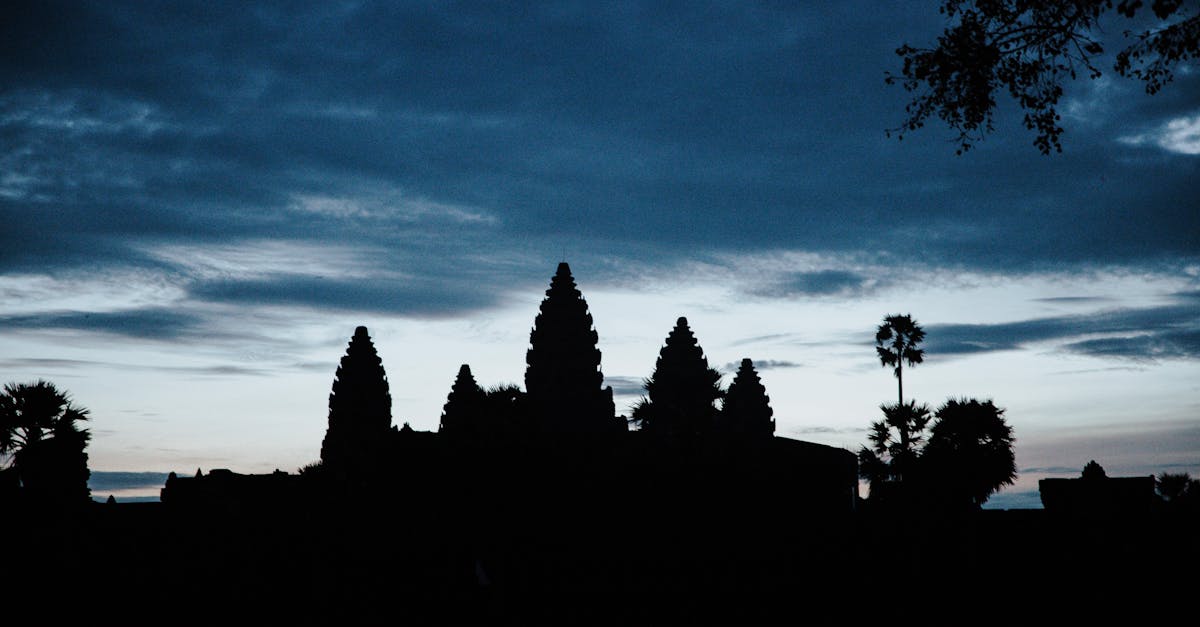
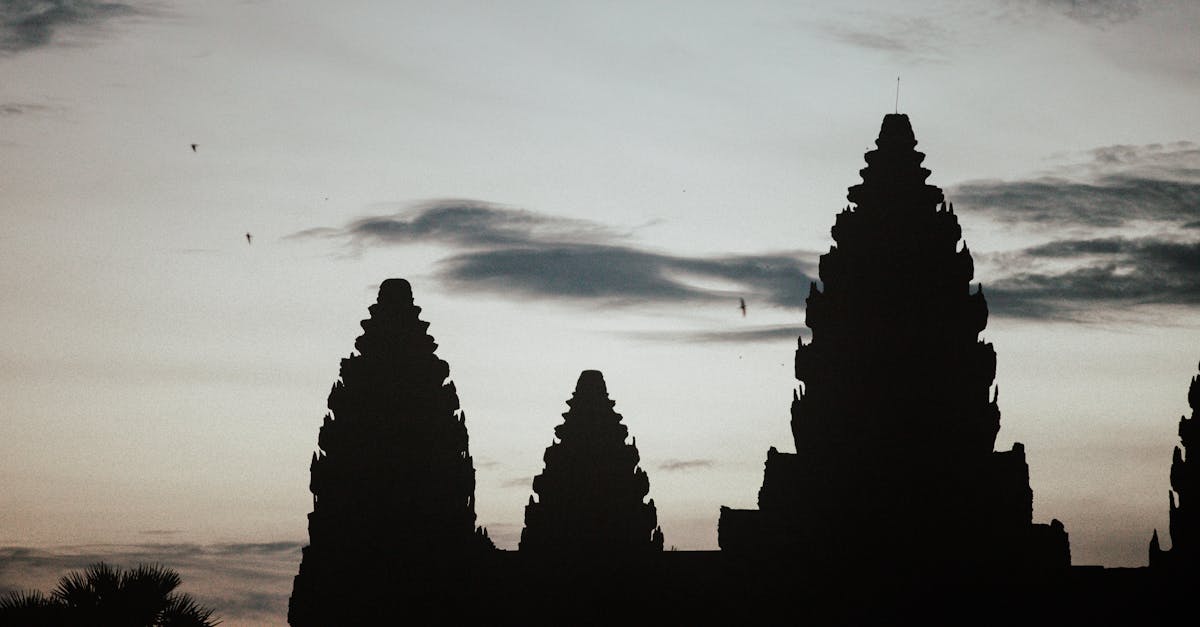
The sheer scale of Angkor Wat is awe-inspiring, with its five towers representing the mythical Mount Meru, the center of the universe in Hindu and Buddhist cosmology. Visitors are captivated by the meticulous craftsmanship that adorns its walls, depicting epic tales from the Ramayana and Mahabharata. Beyond the stunning visuals, there is a profound sense of history and spirituality that permeates the air, making it worth visiting destination for anyone interested in ancient civilizations and their legacies.
Best Time to Visit Angkor Wat#
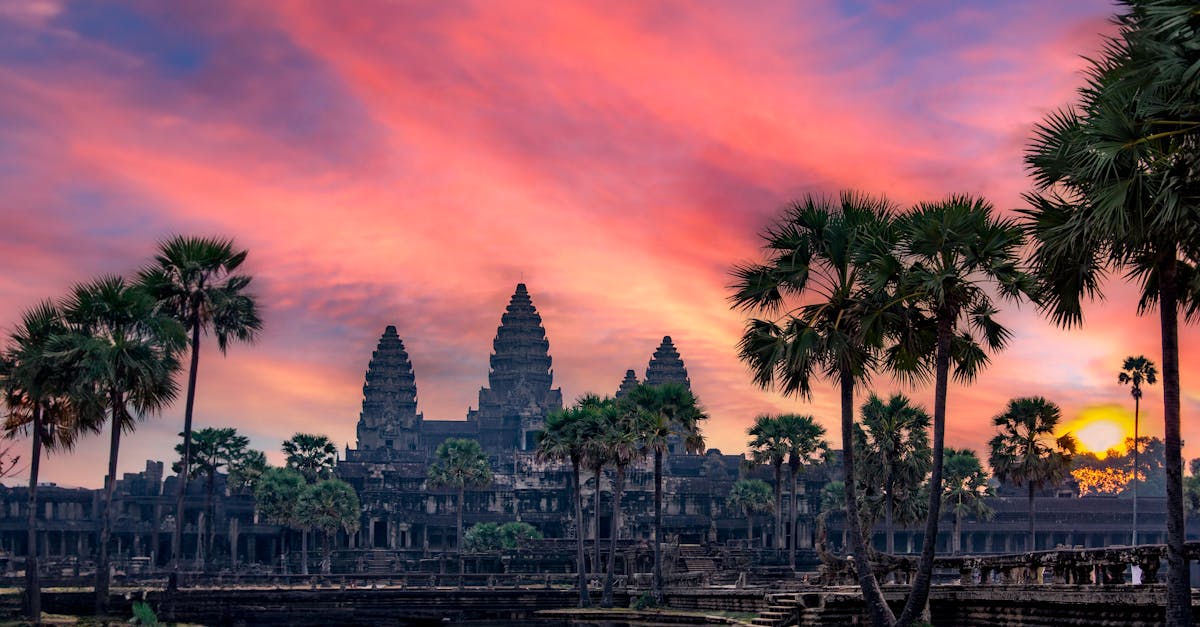
The ideal time to visit Angkor Wat is during the dry season, which stretches from November to February. During these months, temperatures are more moderate, typically ranging from the mid-70s to low 80s Fahrenheit, making it comfortable for exploration. Crowds are at their peak during this period, particularly around the holidays, so travelers should expect larger groups at popular sites.
March through May sees a gradual increase in temperatures, often soaring into the 90s; however, this is also the time when visitor numbers start to decline. June to October marks the rainy season, with frequent showers that can cool the air but also lead to muddy paths and occasional site closures. While this season offers lower prices and fewer tourists, be prepared for the possibility of rain.
Where to Stay in Angkor Wat#
Finding the right place to stay in Angkor Wat can enhance your experience significantly. For budget travelers, the area surrounding the town of Siem Reap offers numerous affordable guesthouses and hostels, typically starting around $30-50 per night. These options are often family-run, providing a cozy atmosphere and local insights.
Mid-range accommodations can be found closer to the Angkor Archaeological Park, with comfortable hotels and boutique lodgings offering amenities such as pools and on-site dining. Prices generally range from $50 to $100 per night, giving you a bit more comfort after a long day of exploration.
For those seeking luxury, there are several high-end resorts that provide stunning views, lavish amenities, and personalized service. These establishments often start at $150 per night and can go significantly higher, promising an indulgent stay amidst the natural beauty of Cambodia.
Top Things to Do in Angkor Wat#
Angkor Wat is just the beginning of your adventure in this ancient complex. The Bayon Temple, famous for its enigmatic smiling faces, invites visitors to ponder the mysteries of its creator, King Jayavarman VII. The stone faces, peering out from the temple’s towers, create a surreal atmosphere that captivates photographers and history enthusiasts alike.
Just a short distance away lies Ta Prohm, where nature has intertwined with human craftsmanship. This temple, known for its massive tree roots snaking over the stone structures, offers a glimpse into how quickly nature can reclaim its territory. The juxtaposition of ancient architecture and lush vegetation creates an enchanting scene that feels almost otherworldly.
Exploring Angkor Thom, the last capital of the Khmer Empire, is essential. The impressive South Gate, flanked by a row of stone elephants, leads you into a realm of grand temples and historical significance. The Baphuon Temple, once a royal temple dedicated to Shiva, stands as a testament to the architectural prowess of its time, with its steep ascent rewarding visitors with panoramic views of the surrounding area.
For a change of pace, the Preah Khan Temple offers a quieter experience. This sprawling complex, built in the late 12th century, is a blend of Buddhist and Hindu influences and is less crowded than its counterparts, allowing for a more contemplative exploration. The intricate carvings and serene ambiance make it an ideal spot for reflection.
If time permits, venture to the Banteay Srei Temple, known for its exquisite pink sandstone and detailed carvings that are considered some of the finest in Cambodia. Although it’s a bit farther from the main Angkor complex, its beauty makes the journey worthwhile.
As the day winds down, head to Phnom Bakheng for a sunset view. Perched on a hill, this temple offers a stunning vantage point over the temple complex and surrounding jungle, creating a perfect ending to a day of exploration.
Food and Dining Guide#
The culinary scene around Angkor Wat offers a delightful mix of traditional Cambodian flavors and international cuisine. Street food is abundant and provides an authentic taste of local life. Among the worth trying dishes is Amok, a fragrant coconut milk curry typically made with fish or chicken, steamed in banana leaves. The rich flavors and creamy texture are a favorite among both locals and visitors.
Another staple is Lok Lak, a stir-fried beef dish served with lime and pepper sauce, often accompanied by rice and a side of fresh vegetables. This dish exemplifies the balance of flavors that Cambodian cuisine is known for. For those looking to satisfy their sweet tooth, Sticky Rice with Mango is a popular dessert, combining the natural sweetness of the fruit with the chewy texture of the rice, drizzled with coconut milk.
For a more upscale dining experience, Siem Reap has a variety of restaurants that showcase both local and international dishes. Many of these establishments emphasize the use of fresh, local ingredients while offering comfortable atmospheres. Dining in these venues often allows for a more leisurely pace, perfect for unwinding after a day of sightseeing.
Street food stalls are plentiful, and sampling the local fare provides an opportunity to engage with vendors and learn about their culinary traditions. Be sure to try Num Banh Chok, a traditional breakfast dish featuring rice noodles topped with a green fish gravy and fresh herbs.
Getting Around Angkor Wat#
Navigating Angkor Wat and its surrounding areas is relatively straightforward, with several options to suit different preferences. Many visitors opt to hire a tuk-tuk for the day, which provides an enjoyable way to explore the temples at your own pace. Drivers are typically knowledgeable about the sites and can recommend itineraries based on your interests.
For those who prefer to be more active, renting a bicycle is a popular option. The flat terrain and well-maintained paths make cycling an excellent way to see the temples while enjoying the fresh air. Most guesthouses and hotels offer bike rentals for a reasonable fee.
Public transportation options are limited, but local taxis and ride-sharing services are available for those who prefer a more private mode of transport. Walking is also feasible within the Angkor complex, especially if you are staying nearby, allowing you to fully absorb the atmosphere of the ancient site.
Budget Breakdown#
When planning your budget for a trip to Angkor Wat, it’s essential to account for accommodation, food, transportation, and activities. Budget travelers can expect to spend around $30-50 per night for basic accommodations, with daily meal costs averaging between $10-15 if you choose street food and casual dining. Transportation costs, including tuk-tuk rides, may add another $10-20 per day, depending on how much you explore.
Mid-range travelers typically allocate $50-100 per night for comfortable hotels, with meals costing around $20-30 daily when dining at nicer restaurants. Transportation expenses may rise to $20-30 per day if using tuk-tuks frequently.
For luxury travelers, accommodations may range from $150 and up per night, with fine dining experiences costing $50 or more per day. Transportation can also be higher, particularly if opting for private cars or guided tours. Overall, a daily budget for a luxury experience could easily reach $200 or more.
Travel Tips for Angkor Wat#
Plan Your Visit Early: Arriving at the temples as they open is crucial for avoiding crowds and experiencing the serenity of the sites. The early morning light also provides excellent conditions for photography.
Dress Appropriately: Angkor Wat is a religious site, so modest dress is required. Ensure your shoulders and knees are covered, and comfortable shoes are ideal for exploring the temples.
Stay Hydrated: The Cambodian heat can be intense, especially during the day. Carry a reusable water bottle and refill it as needed to stay hydrated while exploring.
Purchase a Multi-Day Pass: If you plan to explore multiple temples, consider purchasing a multi-day pass for the Angkor Archaeological Park. This allows for a more relaxed pace and the opportunity to revisit favorite sites.
Respect the Local Culture: Be mindful of local customs and practices while visiting temples. Avoid loud conversations and remember to ask permission before taking photographs of local people.
Engage with Local Guides: Hiring a local guide can enhance your understanding of the history and significance of the sites. They can provide insights that you might not discover on your own.
Explore Beyond the Main Temples: While Angkor Wat and other main attractions are impressive, don’t overlook the smaller temples. Many offer unique experiences and fewer crowds, allowing for a more personal connection to the history of the area.
📌 Disclaimer
Prices, schedules, tour details, flight routes, visa requirements, and all other information on this page are based on data at the time of writing. Fares, availability, and policies may change. Please verify current details on the official website before booking.
📌 More about Angkor Wat