📌 Disclaimer
Prices, schedules, tour details, flight routes, visa requirements, and all other information on this page are based on data at the time of writing. Fares, availability, and policies may change. Please verify current details on the official website before booking.
Why Visit Åndalsnes#
The sharp scent of wet granite and crushed pine needles hits you the moment you step off the train in Romsdalen. Sheer rock walls tower thousands of feet above the station platform, capturing low-hanging clouds that drift lazily between jagged summits. This small Norwegian town operates as the mountaineering capital of the region, positioned naturally where the pale turquoise waters of the Romsdalsfjord meet the roaring Rauma River. For American travelers accustomed to the sprawling scale of national parks out west, the vertical drama here feels entirely compressed, yet massive. Every direction you look, waterfalls plunge down vertical cliffsides, cutting white scars through dark green forests before feeding the valley floor below.
Beyond the dramatic geography, this fjord-side hub offers a rare combination of raw wilderness and modern infrastructure. You can ride a state-of-the-art cable car from sea level to an alpine plateau in less than ten minutes, or tackle trails worn into the earth by pioneer climbers over a century ago. The light during the summer months lingers past midnight, casting a golden hue over the peaks that photographers travel continents to capture. It provides a base camp for those who want serious outdoor exertion by day and a quiet plate of local fish by evening, all without the overwhelming tour bus crowds found further south in the more heavily marketed fjords.
The town itself is compact, easily walkable, and deeply intertwined with the landscape that surrounds it. Wooden houses painted in traditional reds and ochres line the flat valley floor, framed entirely by the imposing Romsdal Alps. It serves as an ideal destination for independent travelers looking to rent a car, lace up sturdy hiking boots, and explore western Norway at their own pace. Whether you plan to test your nerves on exposed ridge walks or simply sip coffee while watching the morning mist burn off the fjord, the valley delivers an authentic Scandinavian escape.
Best Time to Visit Åndalsnes#
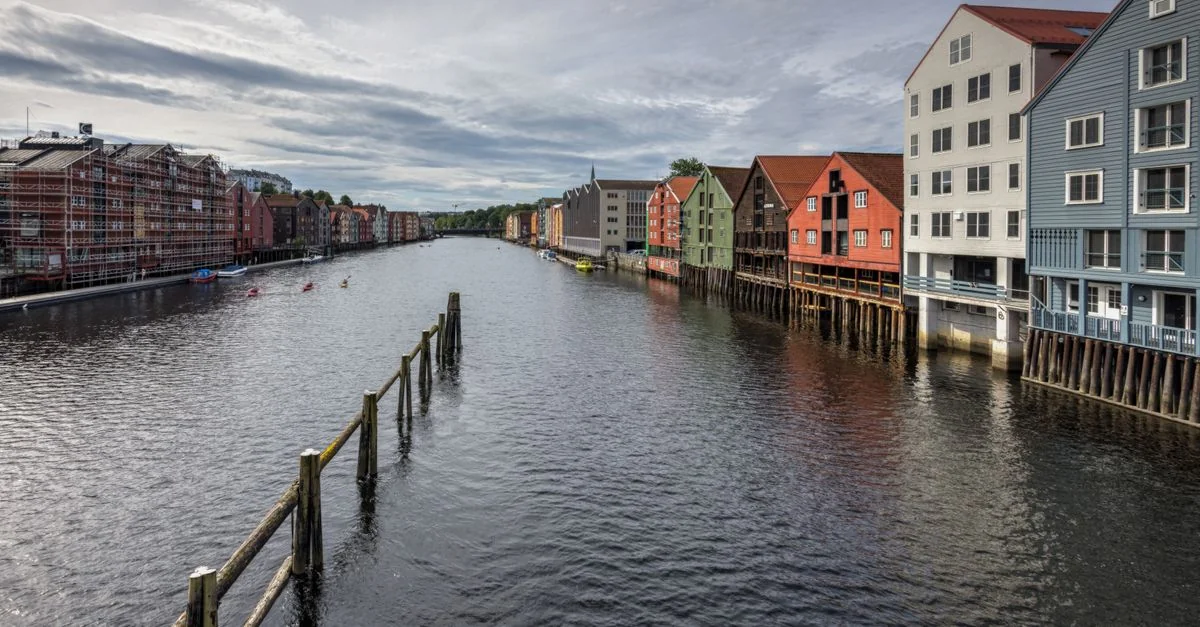
Planning a trip here requires paying close attention to Norway’s distinct seasonal shifts, as weather dictates nearly every activity. The primary window for outdoor travel runs from June through August, when the summer season brings long daylight hours, relatively stable weather, and fully open mountain roads. During June and July, the midnight sun creates extended daylight, allowing for late-evening hikes without the rush of sunset. Temperatures are mild, though sudden rain showers are common, and visitor numbers peak as European and American vacationers arrive. Prices for accommodations and rental cars reach their highest levels during these summer months, requiring reservations many months in advance.
Shoulder season falls in May and September, offering a compelling alternative for travelers hoping to dodge the heaviest tourist traffic. May brings rushing waterfalls swollen by melting snow, and the lower valley blooms with wildflowers, though high-altitude mountain passes often remain closed due to packed snowdrifts. September introduces crisp autumn air and brilliant red and yellow foliage across the hillsides, creating striking landscape photography conditions. However, services begin to wind down by late September, and daylight hours shrink rapidly.
Winter brings a completely different atmosphere from November through March, transforming the valley into a snowy popular with ski touring and winter mountaineering enthusiasts. The town stays quiet, prices drop significantly, and the dramatic peaks wear heavy coats of white. Most traditional hiking trails become impassable without specialized gear, but the surrounding terrain opens up for backcountry skiing and northern lights viewing on clear nights. Travelers choosing this colder period must be comfortable driving in winter conditions and dealing with limited daylight.
Where to Stay in Åndalsnes#
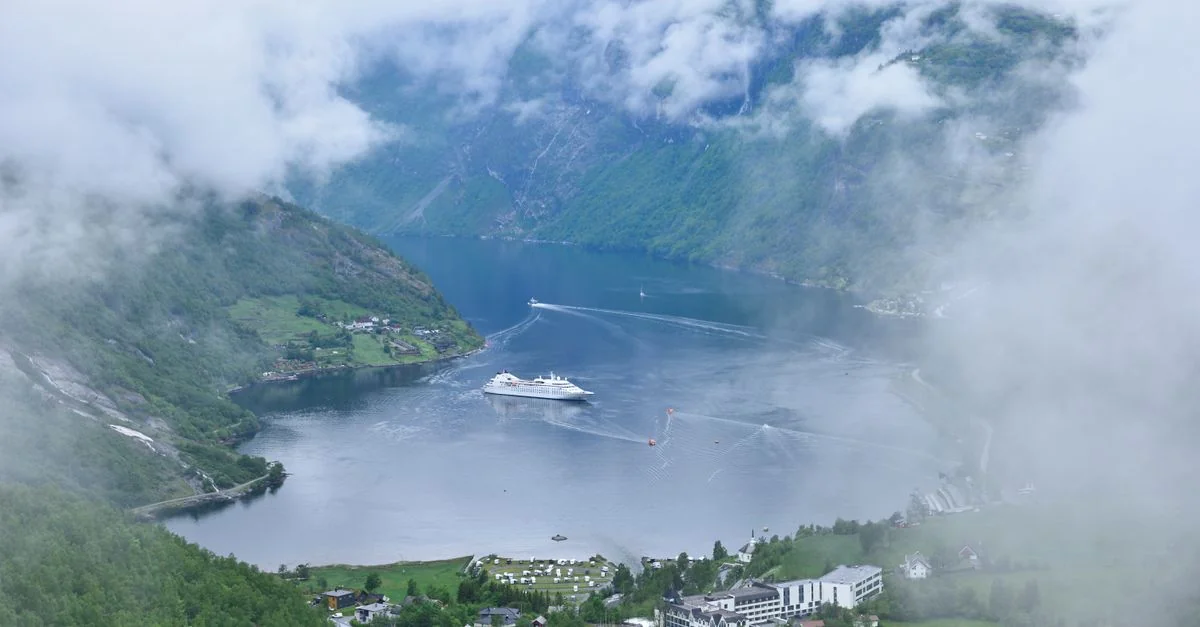
Deciding where to sleep in this fjord town depends largely on your preferred style of travel and proximity to the main transportation hubs. The central town area near the railway station and the fjord shoreline places you within walking distance of grocery stores, restaurants, and the departure point for the local cable car. Accommodations here range from budget-friendly riverside campsites and simple cabins to modern mid-range hotels offering views of the surrounding peaks. This zone suits travelers without a rental car who want easy access to public transit and organized excursions.
For those seeking a quieter retreat surrounded by nature, the lower Romsdalen valley stretching inland along the river provides excellent options. Mid-range family-run guesthouses and traditional Norwegian farmhouses converted into vacation rentals dot the countryside here. Staying slightly outside the central commercial zone puts you directly beneath the towering rock faces, often with trailheads starting right outside your doorstep. You will need a vehicle or a bicycle to reach restaurants and shops from these rural pockets, but the trade-off is absolute peace and unobstructed mountain views.
If you prefer a touch of historic charm combined with high-end comfort, look toward the fjord edges where boutique properties have emerged in recent years. These luxury-tier accommodations emphasize minimalist Scandinavian design, large glass windows facing the water, and private balconies designed for watching the cruise ships or local fishing boats glide past. While pricing at the upper end is substantial, these stays offer exceptional dining on-site and personalized concierge services to help arrange guided summit attempts or fjord boat charters.
Top Things to Do in Åndalsnes#
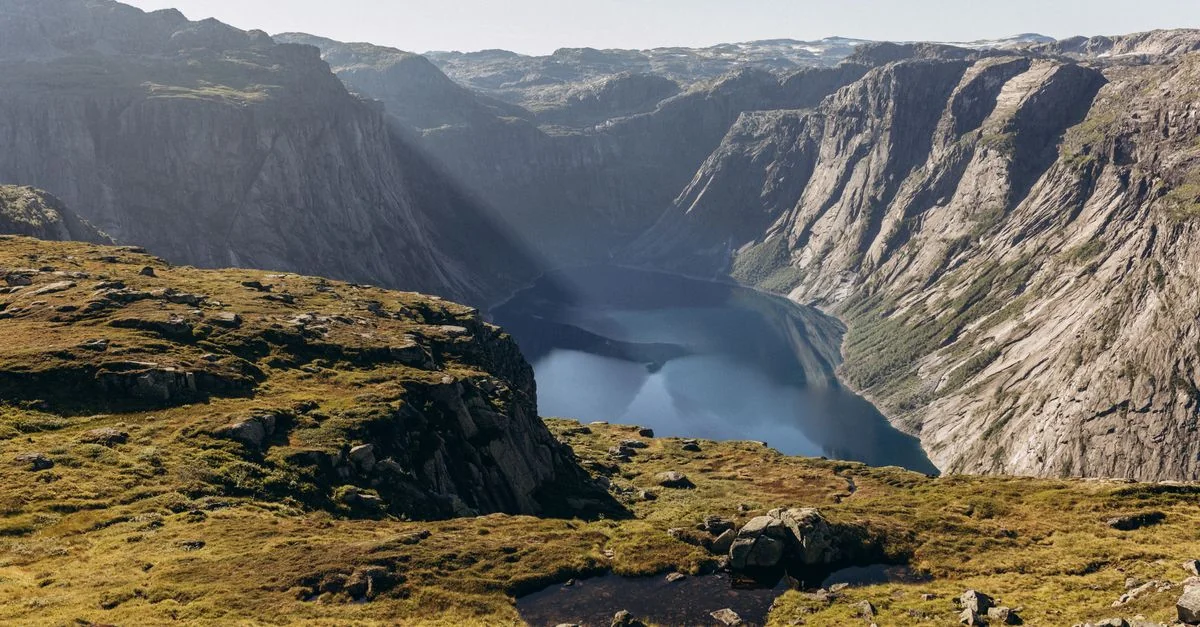
No visit to the valley is complete without riding the Åndalsnes Sightseeing Train, which traces the historic Rauma railway line as it loops through dramatic canyons and crosses stone bridges built a century ago. The journey provides a dramatic introduction to the region’s topography, moving slowly past sheer rock faces and rushing white water. For an even more dramatic perspective, step off the train and head straight to the Romsdalen Gondola, which hoists passengers from the fjord edge up to the Mount Nesaksla ridge in mere minutes. At the upper station, you can step out onto a panoramic viewing platform that juts out over the drop-off, offering a dizzying look down at the town below.
Hikers will inevitably gravitate toward the famous Romsdalseggen Ridge, a top-quality mountain traverse that requires stamina, steady nerves, and proper footwear. The trail follows a high, exposed spine of rock with sweeping views of the surrounding fjords and jagged peaks, eventually descending back toward the valley floor via a series of steep switchbacks. If a full-day alpine ridge sounds too intense, the Nesaksla Hiking Trail offers a slightly more manageable workout, leading up to the same panoramic ridge via a series of well-maintained stone steps built by visiting Sherpas.
For a different kind of vertical challenge, the Romsdal Via Ferrata allows properly harnessed adventurers to scale iron-rung routes bolted directly into the vertical cliff face alongside the valley. Guided climbs provide all necessary safety equipment and expert instruction for those tackling an exposed rock wall for the first time. Down at sea level, the pace changes entirely when you rent a kayak to paddle the calm waters of the Romsdalsfjord. Gliding across the surface at water level lets you appreciate the sheer scale of the mountains from below, often accompanied by playful harbor porpoises or diving seabirds.
Driving enthusiasts should not miss the twisting asphalt of Trollstigen, a famous mountain road featuring eleven hairpin turns carved into a sheer cliff wall, accompanied by a roaring waterfall that tumbles down beside the tarmac. At the top, the modern viewing platforms cantilevered over the abyss give visitors a secure place to watch cars navigate the dizzying curves far below. Finally, for a quieter afternoon, seek out the Isfjorden Area, a nearby farming community that serves as the cultural heart of the region. Here, traditional wooden boat-building traditions survive, and quiet country roads wind past red barns and grazing sheep beneath snow-dusted peaks.
Food and Dining Guide#
Norwegian mountain and fjord cuisine relies heavily on what the surrounding land and cold waters can provide, resulting in menus that emphasize fresh fish, game, and foraged berries. You will find that local dining leans toward honest, comforting preparations rather than heavy culinary experimentation, letting the quality of the ingredients speak for themselves. Casual eateries and cafes in the town center serve hearty everyday staples like Lapskaus, a thick, traditional meat and vegetable stew that warms you up quickly after a chilly day on the trails. Another everyday favorite is Fiskekaker, traditional Norwegian fish cakes made from freshly ground white fish and spices, often served warm on flatbread with a dollop of remoulade.
For sit-down dining experiences, look for establishments featuring Klippfisk, salted and dried cod that holds a massive place in coastal Norwegian culinary history, usually pan-fried or baked with cream and root vegetables. Meat lovers should keep an eye out for dishes incorporating Reinsdyrstek, roasted reindeer served with a rich, dark juniper berry sauce and lingonberries. Street food options are modest compared to major global cities, but local bakeries excel at producing fresh Skillingsboller, sweet cinnamon buns loaded with butter and sugar that pair perfectly with a strong cup of filter coffee before a morning hike.
While upscale dining rooms in the area are limited, the few available high-end restaurants focus intensely on farm-to-table concepts. They source lamb from local valley farmers, berries picked from the surrounding hills, and seafood pulled straight from the fjord that morning. You will not find sprawling culinary districts here; instead, dining is an intimate, relaxed affair where chefs are often happy to chat about where your dinner was caught or harvested. Reservations are strongly advised during the peak summer months, as seating capacity in local dining rooms is quite small.
Getting Around Åndalsnes#
Navigating this compact valley is relatively straightforward, but your transport strategy will depend entirely on how far you plan to venture beyond the central town. If you base yourself directly in the town center, you can easily walk to the railway station, the gondola base, grocery stores, and local cafes without ever needing a vehicle. The town is pedestrian-friendly, with clear signage pointing toward major trailheads and waterfront walking paths.
For exploring the dramatic mountain roads like Trollstigen or reaching trailheads tucked away in remote side valleys, renting a car is the most practical choice. Rental agencies operate out of regional airports and major transport hubs, allowing you to pick up a vehicle before driving into the fjords. Keep in mind that Norwegian roads can be narrow, winding, and steep, requiring attentive driving and a comfortable grasp of manual transmissions if you book an economy car. Parking at major tourist spots and trailheads is widely available, though automated payment systems via mobile apps or credit cards are standard.
Public transit exists in the form of regional buses that connect the town to neighboring cities and major attractions during the summer season. These buses are reliable and comfortable, but they operate on limited schedules, meaning careful timetable planning is essential if you rely on them for day trips. Taxis are available for hire locally, but they are expensive and best reserved for emergencies or pre-booked airport transfers rather than casual daily sightseeing. Bicycles, including electric-assist models, are available for rent locally and provide a fantastic way to explore the flat valley floor on sunny days.
Budget Breakdown#
Traveling through the Norwegian fjords requires realistic financial planning, as the country consistently ranks among the most expensive destinations in the world. However, careful management of your daily choices allows you to tailor the trip to your comfort level. For budget travelers relying on hostels, campsites, self-catered supermarket meals, public buses, and free self-guided hikes, daily costs remain manageable within a modest range. Staying in simple wooden cabins, packing your own trail lunches, and skipping guided excursions keeps expenses surprisingly grounded.
Mid-range travelers can expect a more comfortable experience, utilizing standard three-star hotels, renting a car for flexibility, dining out at casual restaurants once a day, and purchasing tickets for major paid attractions like the gondola or organized fjord cruises. This tier offers a balanced vacation where you do not need to meticulously count every crown, but you still avoid the highest-tier luxury pricing. You will enjoy private rooms with en-suite bathrooms, flexible transport, and well-earned sit-down meals after long days on the mountain trails.
Luxury travelers will find high-end experiences centered around premium boutique fjord-side lodges, private guided climbing or boat excursions, rental cars with all-inclusive insurance, and fine-dining reservations featuring multi-course regional tasting menus. At this level, costs rise sharply due to high local labor wages and luxury service taxes in Norway. Premium accommodations and tailored private guiding command top dollar, but they deliver seamless logistics, exceptional comfort, and exclusive access to the most dramatic landscapes the region has to offer.
Travel Tips for Åndalsnes#
Weather Preparedness demands your utmost respect, as mountain weather changes with alarming speed regardless of the season. Always pack a reliable waterproof shell jacket, sturdy broken-in hiking boots, and moisture-wicking layers, even if the morning starts with bright sunshine and blue skies.
Credit Card Dominance across Norway means you can leave your paper cash entirely at home. Virtually every business, from mountain cafes to rural parking meters, accepts contactless cards and mobile payment apps, making currency exchange unnecessary.
Right to Roam laws grant the public the legal freedom to access, walk, and camp on uncultivated land across the countryside. However, this freedom comes with strict responsibilities regarding waste management, respecting private property boundaries, and leaving nature exactly as you found it.
Drinking Water straight from mountain streams and taps is not only safe across the entire region, but it is also some of the cleanest and best-tasting water on earth. Pack a reusable water bottle and fill it up before every hike to save money and reduce plastic waste.
Insect Protection is essential if you plan to hike in forested valley areas during the peak summer months. Midges and mosquitoes can be persistent in damp, wind-protected spots, so packing a small bottle of insect repellent makes a noticeable difference in your comfort.
Mobile Connectivity is remarkably reliable throughout the valley and even high up on the major hiking routes. Buying a local digital eSIM or ensuring your domestic carrier offers international roaming will give you continuous access to trail maps, weather radars, and public transit schedules.
📌 Disclaimer
Prices, schedules, tour details, flight routes, visa requirements, and all other information on this page are based on data at the time of writing. Fares, availability, and policies may change. Please verify current details on the official website before booking.
📌 More about Andalsnes