📌 Disclaimer
Prices, schedules, tour details, flight routes, visa requirements, and all other information on this page are based on data at the time of writing. Fares, availability, and policies may change. Please verify current details on the official website before booking.
Why Visit Anchorage?#
The scent of burning spruce smoke drifts across the downtown streets, mixing with the crisp, briny air rolling in from the Cook Inlet. You stand at a street corner where high-rise office buildings meet the edge of a vast, untamed wilderness, watching a floatplane drone overhead toward the distant peaks of the Chugach Mountains. This city serves as the ultimate staging ground for anyone seeking a genuine northern frontier experience without sacrificing modern comforts. It is a place where moose wander into suburban yards and bald eagles perch atop downtown traffic lights, reminding visitors that nature holds sway here.
Beyond the wildlife encounters, the area functions as the cultural heart of Alaska, bringing together traditions from the state’s diverse Indigenous communities alongside the independent spirit of modern homesteaders. Art galleries display intricate ivory carvings and contemporary skin-sewing alongside traditional paintings, while local theaters host performances celebrating northern life. Visitors find an unexpected sophistication in the local dining scene, which pairs artisanal coffees and microbrews with freshly caught seafood harvested from icy Pacific waters.
The geographical setting makes day trips into pristine environments remarkably straightforward. Within minutes of leaving the urban core, trails wind through dense boreal forests, lead up alpine ridges, or skirt the edges of tidewater glaciers. Whether you plan to spend your days hiking mountain slopes, learning about Athabascan heritage, or simply watching the midnight sun cast a golden glow over sleeping snowfields, the northern city offers a compelling blend of wild adventure and accessible hospitality.
Best Time to Visit Anchorage#
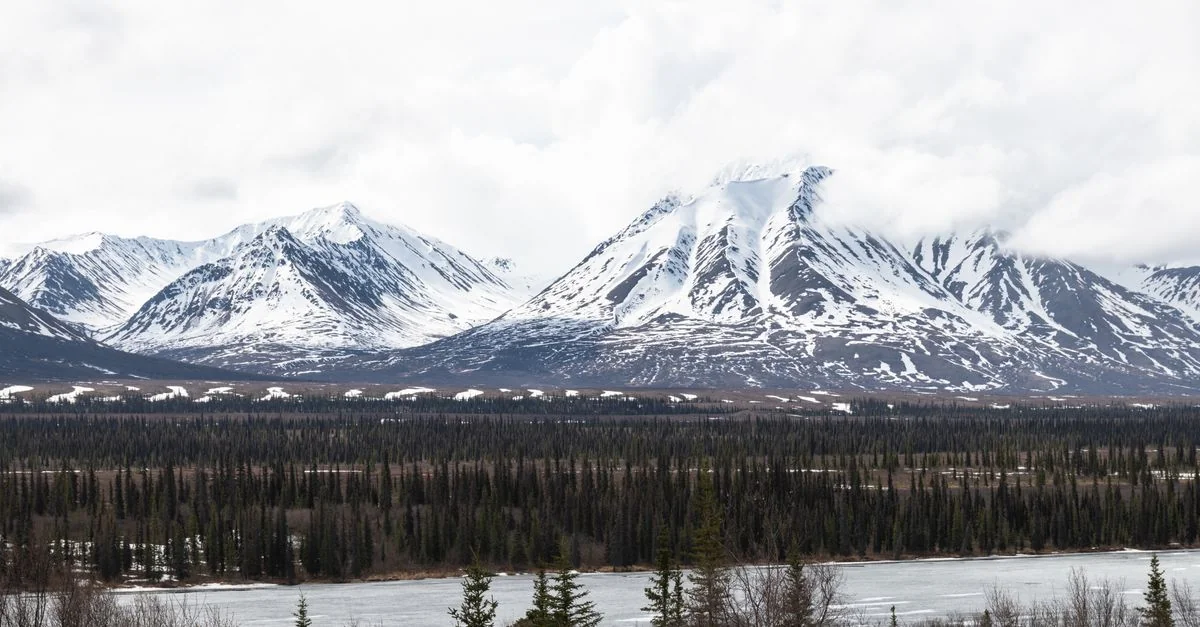
Planning your trip depends heavily on what kind of weather and daylight you prefer, as the seasons bring dramatic shifts to the landscape. Summer, stretching from June through August, brings long daylight hours, often stretching past twenty hours of sunshine, with daytime temperatures hovering comfortably in the sixties and low seventies Fahrenheit. This peak season draws the largest crowds, causing hotel rates and car rental prices to spike to their annual maximums, though the warm weather makes trail hiking and wildlife viewing optimal.
Autumn arrives quickly in September, painting the tundra in fiery shades of red and gold while the air turns crisp and morning frosts become common. Crowds thin out significantly during this shoulder month, and while lodging prices drop, you must prepare for unpredictable weather that can transition from sunny skies to chilly rain overnight. By October, winter takes hold, lasting through March with sub-freezing temperatures, heavy snowfall, and remarkably short days that see the sun dipping below the horizon by mid-afternoon.
Winter attracts winter sports enthusiasts and northern lights hunters, offering a peaceful atmosphere and lower accommodation costs compared to the summer rush. Spring arrives tentatively in April and May, bringing melting snow, muddy trails, and a gradual return of migratory birds. This brief spring window often provides budget-friendly travel opportunities, though many high-altitude hiking paths remain blocked by lingering snowbanks until late May.
Where to Stay in Anchorage#
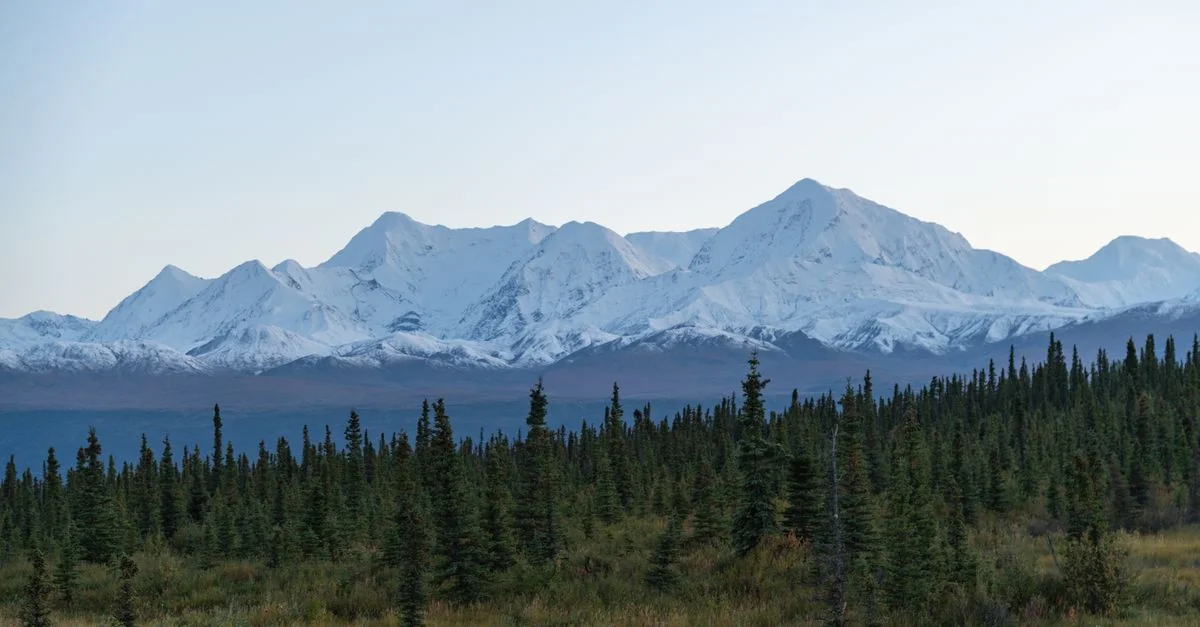
Downtown serves as the most convenient base for first-time visitors, placing you within walking distance of souvenir shops, museums, and the coastal trail. Accommodations here range from standard mid-range business hotels to upscale properties featuring panoramic views of the water and distant mountains. Staying in this central hub allows you to walk to dinner and catch public buses easily, though you will pay a premium for the central location, especially during the peak summer months.
For a quieter, more neighborhood-focused atmosphere, the Midtown district offers a practical alternative slightly south of downtown. This area features a mix of chain motels and moderately priced apartment-style rentals frequented by independent travelers and business visitors alike. While it lacks the historic charm of the older core, Midtown provides easy access to major shopping centers, local breweries, and main thoroughfares leading out toward the mountains.
South Anchorage and the hillside neighborhoods appeal to travelers seeking a scenic retreat tucked against the Chugach foothills. This district offers upscale bed-and-breakfasts and private vacation cabins where moose regularly wander past the windows. Staying here requires a rental car to reach restaurants and attractions, but the reward is peaceful surroundings, star-filled night skies, and immediate proximity to major hiking trailheads.
Top Things to Do in Anchorage#
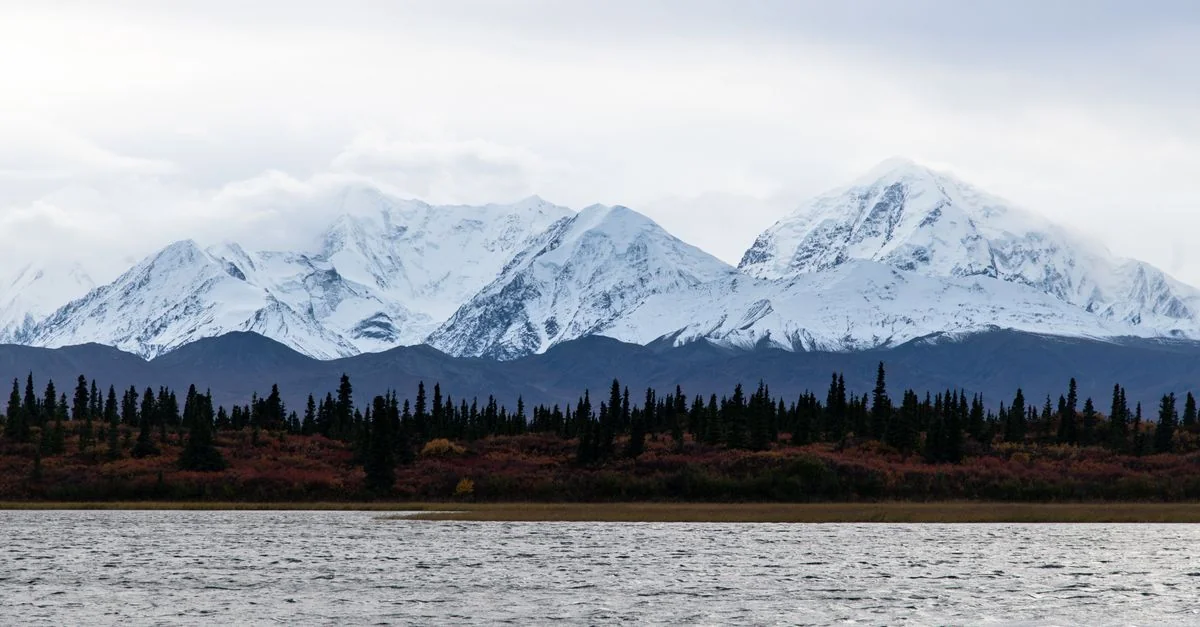
Stretching for eleven paved miles along the edge of the Cook Inlet, the Tony Knowles Coastal Trail provides an ideal introduction to the local geography. Walk or rent a bicycle to traverse this path as it winds past sweeping tidal flats, through dense paper birch forests, and out to Earthquake Park, where you can see the visible fissures left by the historic 1964 seismic event. On clear days, the snow-capped peak of Mount Denali dominates the northern horizon, offering a stunning backdrop to your afternoon exercise.
To understand the deep roots of the region’s original inhabitants, spend a few hours exploring the Alaska Native Heritage Center. This expansive cultural institution features traditional dwellings constructed around a peaceful lake, where master artists demonstrate skin-sewing, tool-making, and carving techniques. Storytellers and dancers perform daily inside the main hall, sharing legends and histories that connect contemporary Native peoples to the surrounding land and sea.
For a panoramic overview of the city and its surrounding peaks, drive up the winding access road to Flattop Mountain. A short, steep final scramble takes you to the summit plateau, where you stand thousands of feet above the valley floor with unobstructed views stretching toward Cook Inlet and the Kenai Peninsula. If mountaineering feels too strenuous, the lower viewing areas still provide sweeping vistas and serve as a popular gathering spot to watch the sun dip low on a summer evening.
Animal lovers should plan an excursion to the Alaska Wildlife Conservation Center, located a short drive south along the scenic Seward Highway. This sanctuary takes in injured and orphaned animals, providing them with large, naturalistic enclosures where you can safely observe wood bison, grizzly bears, moose, and musk oxen roaming through coastal marshlands. The spacious setting allows these magnificent creatures to exhibit natural behaviors far away from the constraints of traditional zoos.
Art enthusiasts will appreciate the rotating exhibits and permanent collections housed within the Anchorage Museum. The galleries explore northern history, contemporary regional art, and even space science, reflecting the unique challenges and beauty of high-latitude living. A dedicated children’s discovery center and a science-focused wing make this facility an engaging stop for travelers of all ages, especially when afternoon rain showers sweep through the bowl.
A short journey north brings you to the Alaska Railroad Depot, where you can board a vintage passenger car for a scenic day excursion. Even if you do not take a multi-day rail journey into the interior, simply visiting the historic station or taking a short commuter run offers a glimpse into the transportation history that built this northern frontier. The rails hug the shoreline and cut through remote valleys that remain inaccessible by standard automobiles.
When you want to escape the urban environment entirely, head into Chugach State Park, one of the largest state parks in the country. Countless trailheads branch off from the park entrance at the edge of town, leading hikers past rushing glacial streams, cascading waterfalls, and quiet alpine lakes. Whether you tackle a challenging ridge traverse or take a gentle stroll through berry-laden brush, the wilderness here feels entirely remote despite its proximity to city amenities.
For a quirky local experience, take a stroll through the Town Square Municipal Park to look for the life-sized bronze sculpture of a bronze moose, or search out the local farmers’ market. The outdoor markets feature stalls overflowing with oversized vegetables grown under the midnight sun, alongside local honey, smoked salmon, and handcrafted woodwork. It offers a friendly atmosphere where you can chat directly with local growers and artisans about their craft.
Food and Dining Guide#
The regional dining scene reflects both its maritime bounty and its rugged frontier influences, offering hearty meals designed to warm the spirit. Wild Alaskan salmon reigns supreme on almost every menu, appearing grilled, blackened, or cured into delicate lox. Whether you order a casual fish sandwich from a food truck or a high-end plated dinner at a downtown bistro, the freshness of the fish, caught in nearby icy waters, shines through in every tender bite.
Another local favorite is halibut, a firm white fish prized for its mild, sweet flavor and versatility. You will frequently find it prepared as classic fish and chips, encased in a crisp, beer-battered crust and served alongside thick-cut fries and tangy tartar sauce. Upscale kitchens elevate the fish further by pan-searing it and pairing it with rich reductions made from local berries or wild mushrooms harvested from the nearby forests.
Meat lovers will want to sample reindeer sausage, a spiced link often served at casual street carts downtown or integrated into morning breakfast hashes at local diners. The meat is leaner and slightly gamier than traditional beef or pork, carrying a savory flavor profile that pairs wonderfully with mustard and onions. It provides a quick, satisfying bite when you need fuel for a long day of exploring.
For dessert or a sweet afternoon snack, look for treats flavored with wild berries, including tart lingonberries, sweet blueberries, and cloudberries that grow wild across the tundra. These colorful fruits find their way into jams, syrups, pastries, and even craft beers brewed right in town. Sampling a slice of berry pie or a pastry filled with locally foraged fruit connects your palate directly to the northern landscape.
Dining options range from quick-service food trucks parked near the Delaney Park Strip to upscale dining rooms featuring panoramic mountain views. Casual eateries focus on comfort foods like chowders and burgers, while fine dining establishments emphasize seasonal, foraged ingredients paired with wines from around the world. Reservations are strongly recommended during the peak summer months, as popular tables fill up quickly with travelers returning from wilderness excursions.
Getting Around Anchorage#
Navigating the city and its surrounding areas requires a bit of planning, as attractions are spread out across a wide geographic footprint. Renting a car remains the most practical choice for independent travelers, giving you the freedom to reach distant trailheads, state parks, and scenic highway overlooks on your own schedule. Rental agencies operate out of the main airport terminal, but vehicles book up months in advance for the summer season, often coming with steep daily rates.
Public transportation relies on the People Mover bus system, which connects downtown with Midtown, the universities, and major residential neighborhoods. While the buses are clean and affordable, routes operate on limited schedules, particularly on weekends and evenings, making them less efficient for reaching remote trailheads or outlying attractions. They work well for navigating the central urban core but are generally insufficient for deep wilderness exploration.
Taxis and rideshare applications like Uber and Lyft operate within the city limits, offering a convenient way to get around downtown or travel to and from the airport without renting a vehicle. However, finding a rideshare driver becomes difficult and expensive if you venture further out toward the Chugach State Park trailheads or outlying neighborhoods. Relying solely on rideshares for a multi-day trip usually proves cost-prohibitive compared to securing a rental car.
Walking and bicycling work wonderfully for exploring the downtown district and the coastal trail system, as the city center is compact and pedestrian-friendly. Sidewalks are wide and well-maintained during the warmer months, though winter visitors must contend with compacted snow and ice. Numerous local shops rent bicycles and specialized winter gear, allowing you to embrace active transportation regardless of the season.
Budget Breakdown#
Traveling through this northern destination can strain your wallet, as the remote location requires goods and services to be shipped long distances. Budget travelers can expect to spend roughly $100 to $180 per day by staying in hostel dorms or budget motels, utilizing public buses, eating quick meals from food trucks or grocery stores, and focusing on free outdoor activities like hiking and walking the coastal trail.
Mid-range travelers should budget between $250 and $450 daily, which covers standard mid-range hotel rooms, renting a compact car for flexibility, dining out at casual restaurants and brewpubs, and paying for guided day excursions like wildlife cruises or flightseeing tours. This tier offers a comfortable balance of convenience and adventure without constantly watching every expense.
Luxury travelers will easily spend $600 to $1,000 or more per day, securing upscale downtown accommodations with mountain views, premium rental vehicles, fine dining experiences featuring fresh seafood, and private guided wilderness expeditions. At this level, you can enjoy helicopter glacier landings, private floatplane charters, and exclusive lodge stays that provide ultimate comfort in the remote wilderness.
Travel Tips for Anchorage#
Weather preparedness is essential because local conditions can shift from warm sunshine to chilly rain within a single afternoon. Always pack layers, including a reliable waterproof outer shell, sturdy hiking boots, and warm wool socks, even if you visit during the height of summer.
Wildlife safety requires constant vigilance and respect, as moose and bears live throughout the urban and surrounding park areas. Never approach a moose, especially a cow with calves, and carry EPA-approved bear spray while keeping it easily accessible whenever you walk on wooded trails.
Sun protection takes on unexpected importance during the summer months due to the extreme length of daylight and the angle of the sun. Pack high-SPF sunscreen, polarized sunglasses, and a wide-brimmed hat to protect yourself from harsh rays reflecting off glacial water and snowfields.
Insect management can make or break your outdoor experience during the damp early summer weeks when mosquitoes emerge in large swarms. Bring an effective bug repellent containing DEET or picaridin, and consider packing a head net if you plan on hiking through marshy or heavily forested inland areas.
Tipping etiquette here follows standard American customs, with fifteen to twenty percent being customary for good service in restaurants, bars, and taxis. Tour guides, fishing captains, and shuttle drivers also appreciate gratuities for their expertise and assistance during your adventures.
Connectivity challenges can arise once you venture outside the immediate urban core into the surrounding valleys and mountain passes. Download offline maps to your smartphone and let someone know your itinerary before heading out onto remote trails where cellular service fades completely.
📌 Disclaimer
Prices, schedules, tour details, flight routes, visa requirements, and all other information on this page are based on data at the time of writing. Fares, availability, and policies may change. Please verify current details on the official website before booking.
📌 More about Anchorage