📌 Disclaimer
Prices, schedules, tour details, flight routes, visa requirements, and all other information on this page are based on data at the time of writing. Fares, availability, and policies may change. Please verify current details on the official website before booking.
Why Visit Alghero?#
The scent of salt air mingles with the faint, sweet perfume of blooming oleander as you walk along the sea walls. Alghero sits on the northwest coast of Sardinia , offering a unique perspective on Italian life that feels distinct from the mainland. Because of its history as a Catalan colony, the town retains a distinct linguistic and architectural flavor, with street signs often appearing in both Italian and Catalan. It is a place where the pace of life slows down significantly, encouraging long afternoons spent watching the sun dip into the Mediterranean.
What sets this coastal town apart is its balance between rugged natural beauty and a preserved medieval core. You can spend your morning exploring ancient limestone cliffs and your evening walking through narrow, cobblestone alleys lined with honey-colored stone buildings. It appeals to those who want a vacation that feels authentic rather than manufactured, providing a gateway to the wilder, less developed parts of the island while maintaining the comforts of a town that knows how to host visitors with genuine hospitality.
Best Time to Visit Alghero#
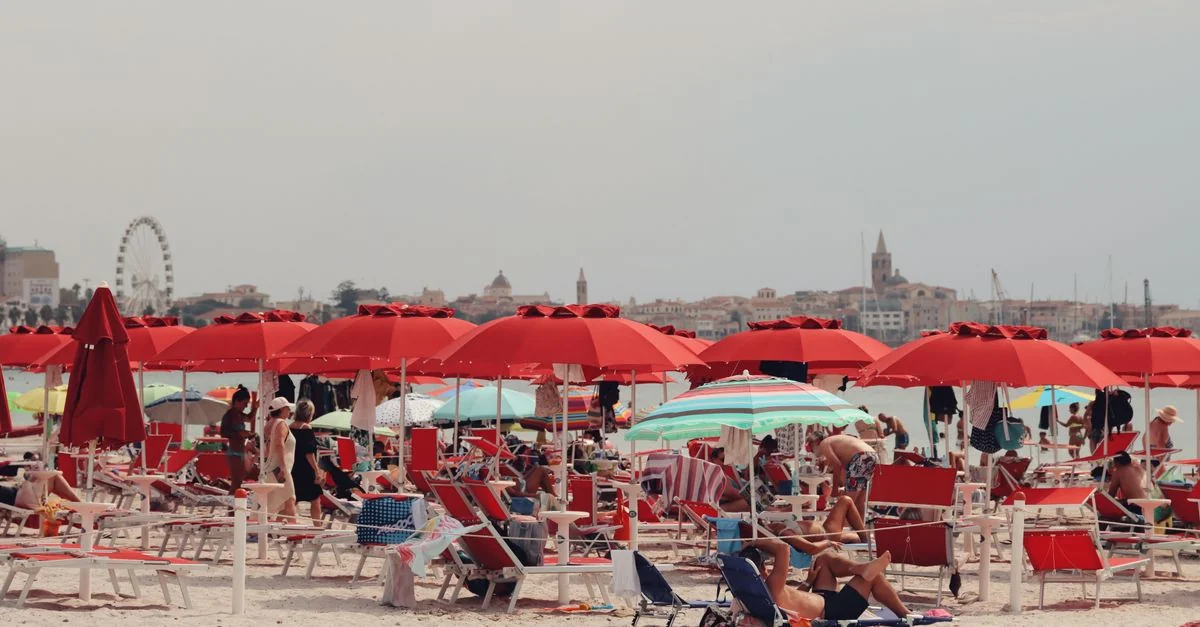
Timing your visit depends on your tolerance for heat and crowds. The shoulder seasons of May, June, September, and October offer the most balanced experience for travelers. During these months, the weather remains warm enough for swimming, yet the midday temperatures avoid the intense, stifling heat of July and August. You will find that accommodation prices are more reasonable during these periods, and the narrow streets are easier to navigate without the peak summer surge of tourists.
July and August represent the height of the season when the town fills with families and vacationers from across Europe . Expect higher prices for flights and lodging, and be prepared for a lively, energetic atmosphere that lasts well into the night. If you prefer quiet beaches and lower costs, the late spring or early autumn months are ideal. Winter is very quiet; many businesses close down for the season, but if you enjoy cool, brisk walks along the ramparts and a local-only atmosphere, the off-season offers a peaceful, inexpensive retreat.
Where to Stay in Alghero#
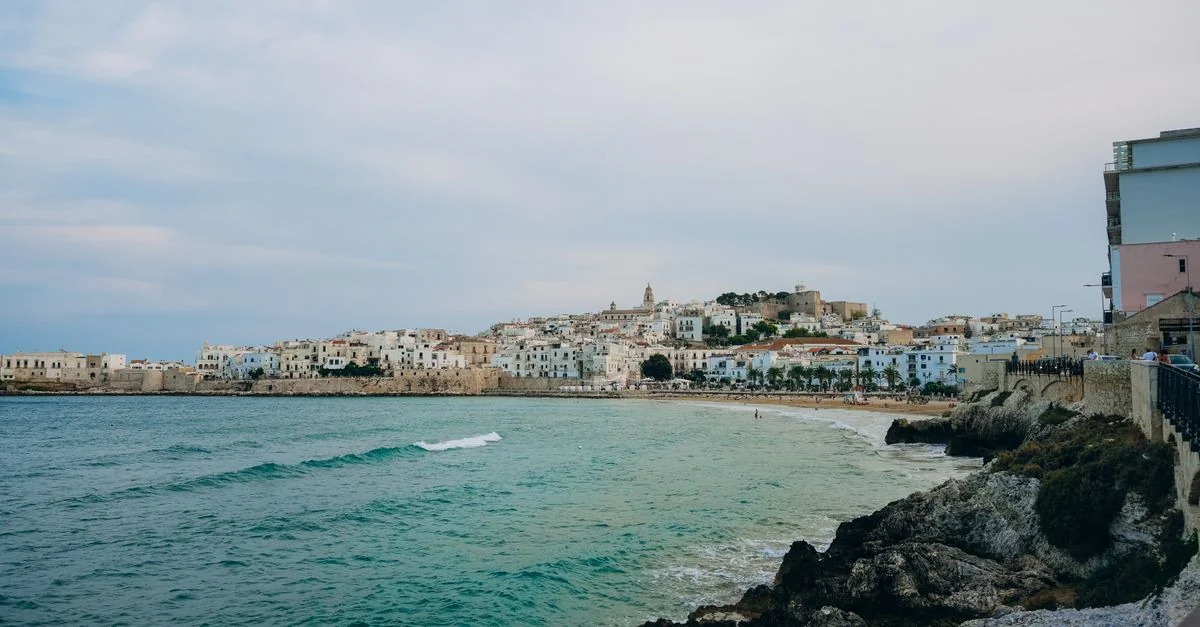
The Old Town is the heart of the experience for most first-time visitors. Staying here puts you within walking distance of the historic ramparts, the cathedral, and countless small shops. Accommodations in this area range from simple, budget-friendly guesthouses tucked into historic apartment buildings to mid-range boutique properties that have renovated centuries-old structures. It is the best choice if you want to be in the center of the action and appreciate the aesthetic of narrow, winding lanes.
For those who prioritize beach access, the Lido area is the primary choice. This stretch of coast features long, sandy beaches and a more modern layout. You will find a mix of larger, mid-range family hotels and self-catering apartments here. It is a practical area for travelers with children or those who want to wake up and walk directly onto the sand. The walk from the Lido into the historic center is pleasant and takes about twenty minutes along the waterfront.
If you prefer a quieter, more upscale experience, look toward the Maria Pia area or the hills surrounding the town. Here, you can find luxury villas and modern resorts that offer more space, private gardens, and swimming pools. These areas generally require a car for easy access to the town center, but they provide a serene environment away from the noise of the main tourist thoroughfares. This is the ideal tier for travelers seeking privacy and a more relaxed, resort-style pace.
Top Things to Do in Alghero#
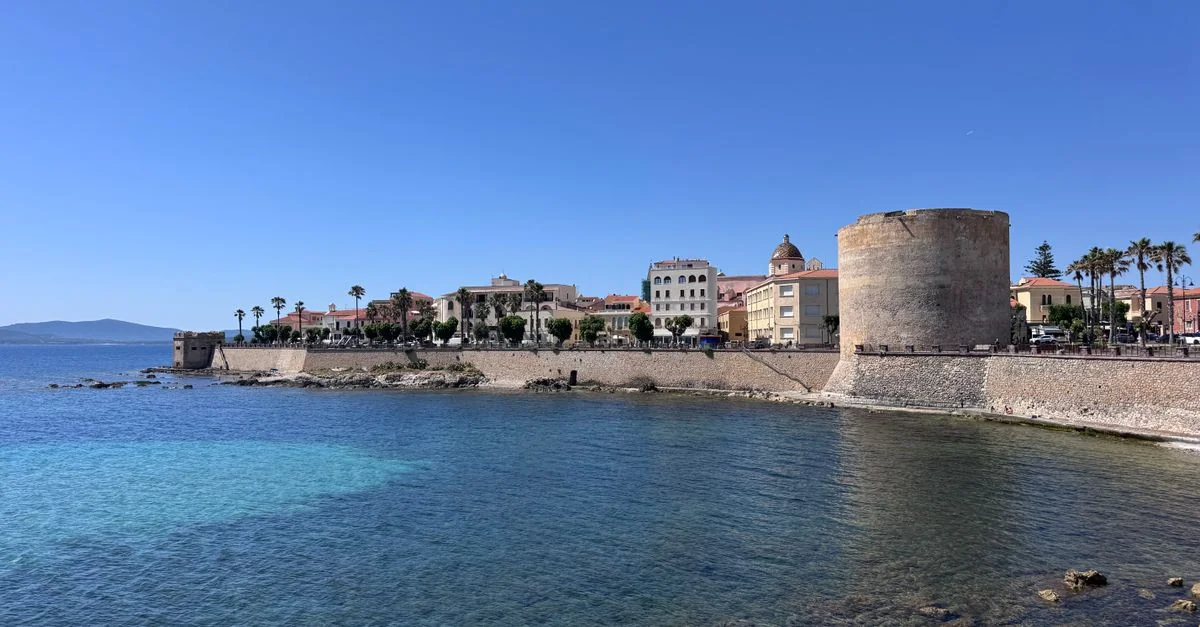
A visit to the Historic Center is the natural starting point for any trip. Walking the ramparts at sunset provides a view of the sea that defines the town’s character. You should spend time exploring the Cathedral of Saint Mary, which showcases an impressive mix of architectural styles, before wandering into the small craft shops that sell local red coral jewelry. The Coral Museum offers a deeper look into the history of this industry, which has been central to the local economy for centuries.
Nature enthusiasts should make the trip to Capo Caccia, a massive limestone promontory that juts into the sea. At the base of these cliffs lies Neptune’s Grotto, a spectacular sea cave filled with stalactites and stalagmites. You can reach the cave by boat from the harbor or by descending the steep, carved stairs known as the Escala del Cabirol. The stairs offer incredible views but require a decent level of fitness for the climb back up.
For a day on the water, the Bombarde Beach and Lazzaretto Beach are the most famous spots for swimming. These areas feature fine sand and clear water, making them popular for families and sunbathers. If you prefer something more secluded, head to the Porto Conte Regional Park, where you can hike through Mediterranean scrubland and find smaller, quieter coves. Finally, make time for the Nuraghe Palmavera, a fascinating archaeological site that provides insight into the ancient civilization that built these stone towers across the island thousands of years ago.
Food and Dining Guide#
The food scene in Alghero is heavily influenced by its maritime location and Catalan heritage. You must try Lobster alla Catalana, a signature dish that features fresh lobster served with a simple dressing of tomatoes, onions, and high-quality olive oil. It is a light, refreshing meal that highlights the local catch. Another staple is Fregola with Clams, a dish made with small, toasted semolina pearls that resemble couscous, simmered in a savory broth.
For a quick snack, look for Pane Frattau, which consists of thin, crispy flatbread layered with tomato sauce, poached eggs, and pecorino cheese. It is a hearty, rustic dish that reflects the agricultural history of the island. When it comes to sweets, Seadas are mandatory; these are fried pastries filled with fresh, slightly sour pecorino cheese and drizzled with warm, bitter honey. You will find these in almost every restaurant, often served as a dessert.
In terms of dining style, the town is divided between casual pizzerias and more formal seafood restaurants. The restaurants located directly on the ramparts offer the best views, though you will pay a premium for the location. For a more authentic, budget-friendly experience, look for smaller trattorias located a few streets back from the waterfront. Street food is also available, particularly in the form of fried seafood cones, which are perfect for a midday snack while you walk through the old town.
Getting Around Alghero#
Alghero is a very walkable town, especially if you stay within or near the historic center. Most of the primary sights, restaurants, and shops are clustered within a small radius that is best explored on foot. For getting to nearby beaches like those at the Lido or even slightly further out, public buses are reliable and affordable. These buses run regular routes during the summer months, connecting the town center to the most popular coastal spots.
If you plan to explore the wider region, including the archaeological sites or the rugged coastline toward Capo Caccia, renting a car is the most practical option. Public transport to remote natural areas can be infrequent or non-existent. Be aware that parking in the historic center is extremely limited and often restricted to residents. If you rent a car, look for accommodations that provide dedicated parking or park in the designated zones outside the city walls. Taxis are available for short trips, but they are generally more expensive than public transit and should be reserved in advance if you need one for a specific time.
Budget Breakdown#
A budget trip to Alghero is entirely possible if you focus on local markets for groceries, choose guesthouses or hostels, and rely on public transportation. You can expect to spend in the lower range per day by prioritizing free activities like beach days and walking tours. Eating out once a day while preparing other meals yourself will keep costs manageable.
Mid-range travelers can expect to spend a moderate amount per day, which covers stays in comfortable boutique hotels or well-located apartments. This budget allows for daily dining at local restaurants, a few guided excursions to sites like the sea caves, and the occasional taxi or rental car for a day trip. You will find that this budget provides a comfortable balance of convenience and local experiences.
Luxury travelers will find options that reach the higher end of the daily cost spectrum. This includes staying in upscale resorts with sea views, dining at the most prestigious seafood restaurants, and hiring private drivers or boat charters to explore the coastline. Even at this level, the cost remains competitive compared to other major Mediterranean hotspots, offering significant value for the quality of the experience.
Travel Tips for Alghero#
Language is a fascinating aspect of local culture. While Italian is the official language, many older residents speak a dialect of Catalan. You do not need to learn anything other than basic Italian phrases to get by, but showing an interest in the local history and the unique linguistic identity of the town is always appreciated by the locals.
Dining hours in Italy are later than what many Americans are accustomed to. Most restaurants do not start serving dinner until late in the evening, often around 7:30 or 8:00 PM. If you show up at 6:00 PM, you will likely find the kitchens closed. Plan your day to include an afternoon snack, or aperitivo, to bridge the gap between lunch and a late dinner.
Sun protection is essential, as the Mediterranean sun can be intense even in the shoulder seasons. The combination of salt air and high UV levels means you should carry high-SPF sunscreen, a hat, and sunglasses at all times. The coastal breeze can sometimes mask how quickly you are burning, so stay vigilant about reapplying protection throughout the day.
Water consumption is important because tap water is generally safe and drinkable, though many locals prefer bottled water for the taste. You will find public fountains in the town where you can refill your reusable bottles, which is a great way to reduce plastic waste and stay hydrated while walking between sights.
Tipping culture is different from the United States . Service is often included in the bill as a coperto, or cover charge. While it is polite to leave a few extra euros if the service was exceptional, you are not expected to leave a large percentage-based tip as you would back home. Rounding up the bill is a standard and appreciated gesture.
Respecting local spaces is a key part of being a mindful traveler. The historic center is a residential area as much as a tourist destination. Keep noise levels down when walking through narrow alleys late at night, and ensure you are not blocking doorways or narrow streets when stopping to take photographs. Simple gestures like these help maintain the friendly relationship between the town and its visitors.
📌 Disclaimer
Prices, schedules, tour details, flight routes, visa requirements, and all other information on this page are based on data at the time of writing. Fares, availability, and policies may change. Please verify current details on the official website before booking.
📌 More about Alghero