📌 Disclaimer
Prices, schedules, tour details, flight routes, visa requirements, and all other information on this page are based on data at the time of writing. Fares, availability, and policies may change. Please verify current details on the official website before booking.
Why Visit Alesund?#
The sharp scent of salt spray hits your lungs the moment you step onto the wharf, mingled with the faint, earthy aroma of wood smoke drifting from nearby chimneys. Alesund is a town defined by its improbable geography, where rows of colorful stone buildings rise directly from the edge of the Atlantic Ocean, backed by the jagged, snow-dusted peaks of the Sunnmore Alps. Unlike many other Norwegian coastal towns that rely on traditional wooden architecture, this place was rebuilt in the early twentieth century following a devastating fire, resulting in a dense concentration of Art Nouveau structures that give the town a distinct, storybook silhouette.
Beyond its architectural appeal, the town serves as a primary gateway to the deep fjords that have defined Norwegian geography for millennia. It is a place where the pace of life slows down, dictated by the arrival of coastal steamers and the shifting light over the archipelago. For travelers coming from the United States , it offers a rare combination of accessible urban comfort and immediate proximity to raw, untamed wilderness. You can spend your morning studying intricate stone carvings on a city facade and your afternoon standing on a mountain ridge looking down into the deep, dark waters of the Geirangerfjord.
Best Time to Visit Alesund#
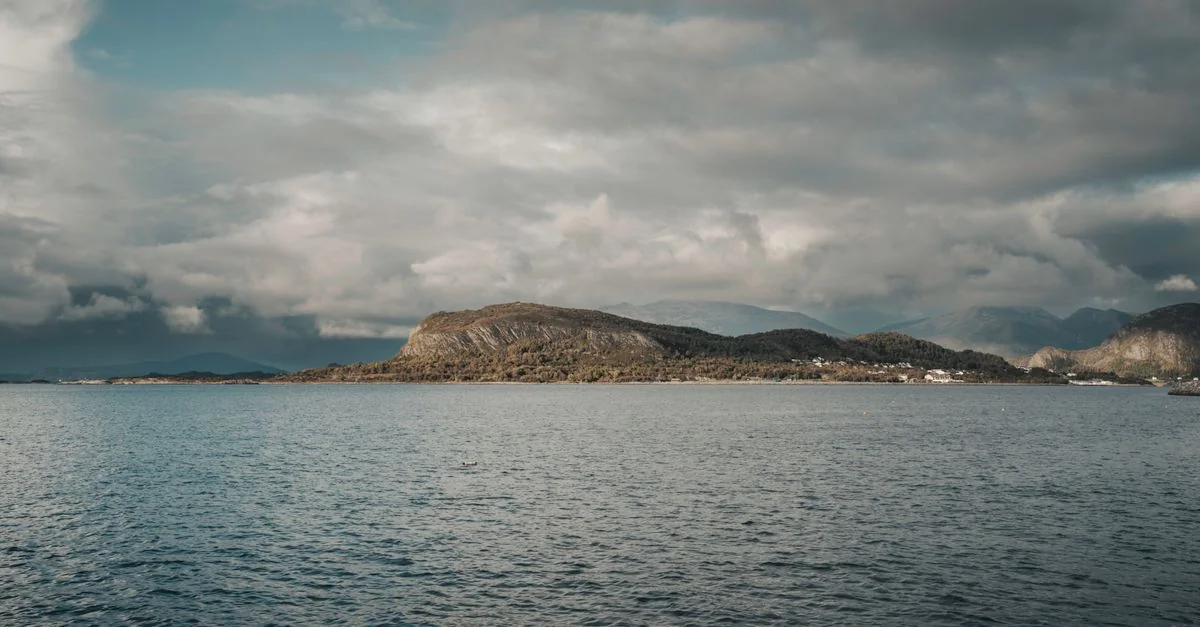
The window for visiting this part of Norway is largely dictated by the light and the temperature. June, July, and August represent the peak season, offering the longest days and the most reliable weather. During these months, the sun barely dips below the horizon, providing nearly twenty hours of daylight for exploring the outdoors. This is when the ferry schedules are most frequent and the mountain passes are fully cleared of snow. However, this popularity comes with higher prices for lodging and more crowded viewpoints, particularly when large cruise ships dock in the harbor.
Shoulder season, which encompasses May and September, is often favored by travelers who prefer a quieter experience. In May, the spring thaw brings waterfalls to life, and the fruit trees in the surrounding valleys begin to blossom. September brings a crispness to the air and the first hints of autumn color on the hillsides. While the weather becomes more unpredictable and windier during these months, the lower cost of accommodation and the lack of crowds make it a practical choice for those who pack layers and are prepared for sudden rain.
Winter, stretching from November through March, is a different experience entirely. This is the time for those seeking the quiet, moody atmosphere of the Norwegian coast. While the days are short and the temperatures hover near freezing, the town glows with warm interior lighting and a sense of local life that is less influenced by tourism. It is the best time to find lower rates, though you must be prepared for limited daylight and the possibility of ferry cancellations due to heavy storms.
Where to Stay in Alesund#
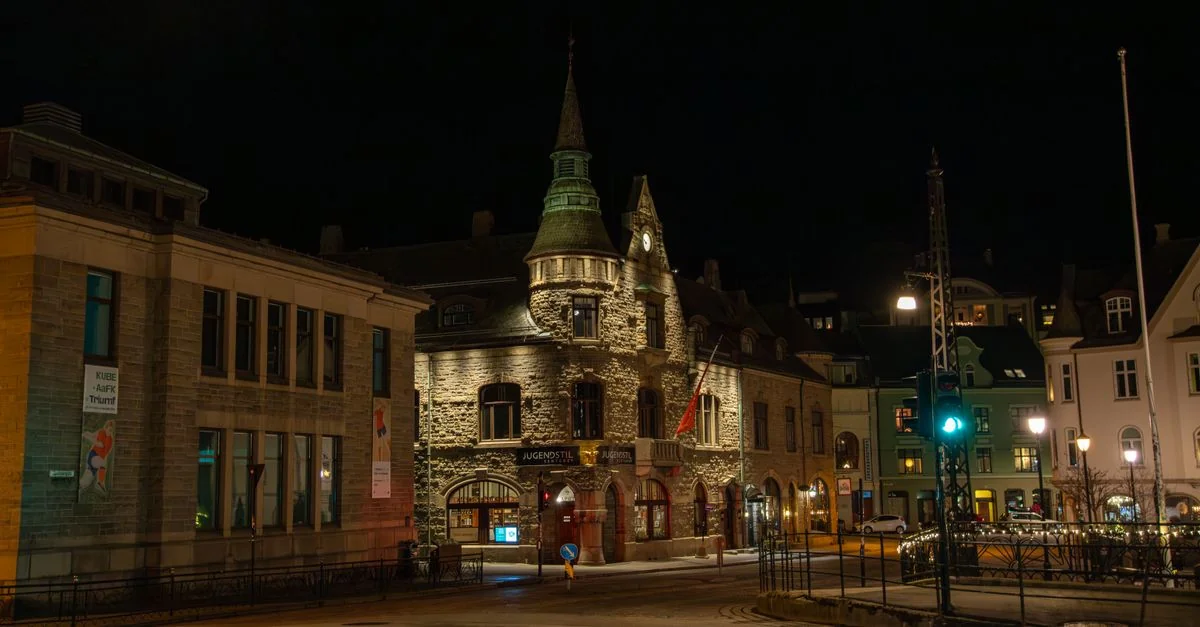
The central downtown area, often referred to as the island of Aspoy, is the most convenient place to base yourself. This area is characterized by its proximity to the harbor and the main shopping streets. Staying here allows you to reach almost every major point of interest on foot. You will find a range of options here, from high-end establishments housed in restored historic warehouses to mid-range apartments that offer a more residential feel. It is the ideal choice for those who want to be in the middle of the action and prefer to avoid relying on taxis or buses for daily errands.
For those who prefer a quieter environment, the residential neighborhoods located on the islands of Nørvøy or Ellingsøy provide a different perspective. These areas are slightly removed from the tourist core and offer a glimpse into how locals live. You can often find budget-friendly guesthouses or private rentals in these sections. While you will need to walk a bit further or utilize the local bus network to reach the center, the trade-off is a peaceful atmosphere and often better views of the surrounding mountains and water.
Travelers looking for a luxury experience often gravitate toward the waterfront properties that overlook the Brosundet canal. These locations focus on high-end service and design, often incorporating the Art Nouveau aesthetic into their interiors. Many of these spots provide direct access to the water, allowing you to watch the fishing boats and coastal ferries pass by from your balcony. If your budget allows for a premium experience, these waterfront spots offer the most iconic views of the town’s unique architecture.
Top Things to Do in Alesund#
The most iconic experience in town is the hike up to the Aksla Viewpoint. While there is a road leading to the summit, the most rewarding way to reach the top is by climbing the hundreds of stone steps that begin in the town park. Once you reach the platform, the entire town layout reveals itself, showing the islands connected by bridges and the vast expanse of the ocean. It is the definitive spot for photography and provides a sense of scale that is impossible to grasp from the street level.
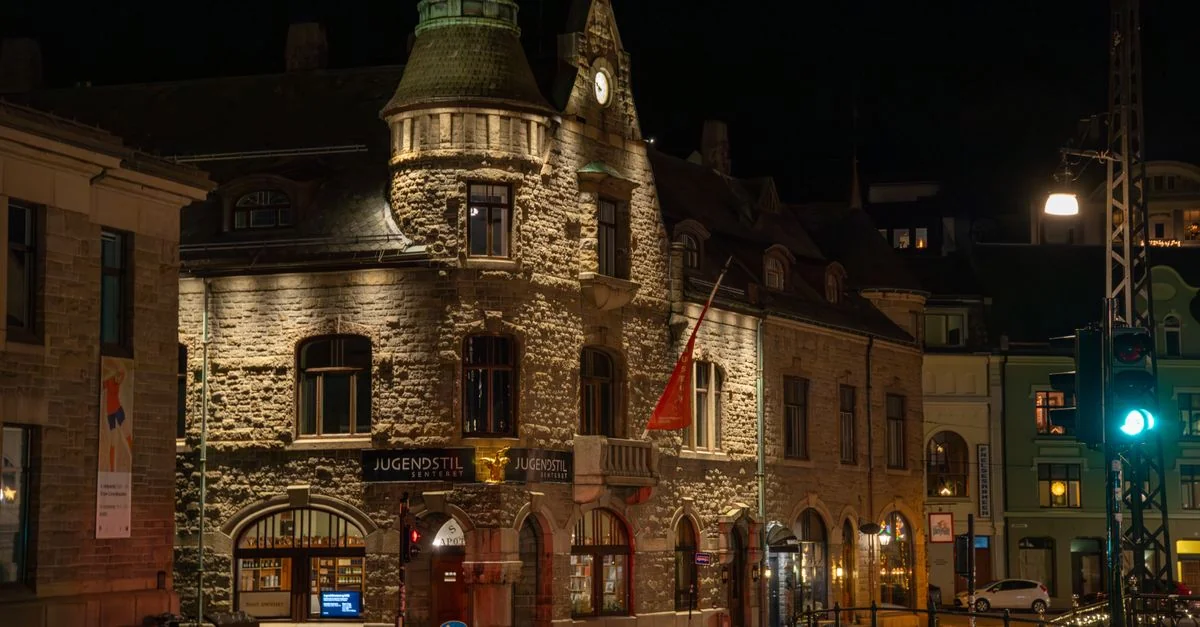
Once you have descended, walk through the streets to admire the Art Nouveau Architecture. The town is famous for its turrets, spires, and ornamental carvings, which were part of a massive rebuilding effort after a fire in 1904. Many of the buildings feature motifs inspired by Norse mythology and local flora. To understand the history behind these structures, a visit to the Jugendstilsenteret is essential. This museum is housed in a former pharmacy and provides a deep look into the design movement that saved the town from architectural anonymity.
For a look at the marine life that sustains this region, the Atlanterhavsparken is one of the most unique aquariums in Europe . It is built directly into the coastal landscape, using large tanks that are fed by the natural currents of the ocean. You can watch divers feed the fish in the massive open-water tank or walk along the outdoor paths to see penguins and seals in enclosures that mimic their natural habitat. It is a quiet, well-designed space that feels less like a traditional zoo and more like an extension of the sea.
If you are interested in the maritime history of the area, the Alesund Museum offers a practical look at how the fishing industry and the town’s geography shaped its development. It covers everything from the Viking age to the modern era. For a more active pursuit, consider taking a boat tour through the Hjørundfjord. While many visitors head to the more famous Geirangerfjord, this nearby inlet is often considered more dramatic and less crowded, with steep mountains rising directly from the water’s edge.
To experience the local landscape from a different angle, take a trip to the Mount Sukkertoppen. This is a more challenging hike than the city viewpoint, but it offers a panoramic view of the entire region. The trail is well-marked but can be muddy, so sturdy footwear is a must. If you prefer to stay closer to the water, a walk along the Brosundet Canal is a relaxing way to spend an evening. The canal is the heart of the town, lined with cafes and small shops where you can sit and watch the light change over the water. Finally, if you have a car, a drive to the Alnes Lighthouse on the island of Godoy is a must. The lighthouse stands against the backdrop of the rugged Atlantic coast and offers a beautiful, windswept vista that captures the wild spirit of the Norwegian shoreline.
Food and Dining Guide#
The local diet is heavily influenced by the sea, and you will find that the quality of fish is consistently high. A staple you must try is Bacalao, a traditional dried and salted cod stew that has been a part of Norwegian coastal life for centuries. It is hearty, flavorful, and usually served with potatoes and fresh bread. You will find this on the menus of most traditional restaurants in the town center. Another classic is Fiskesuppe, a creamy fish soup that varies by chef but generally includes a mix of white fish, salmon, and root vegetables. It is the perfect meal after a chilly day of exploring.
For a quick snack, look for Svele, a thick, pancake-like treat that is traditionally served with brown cheese or jam. You will often find these sold at ferry terminals or small kiosks. If you are feeling adventurous, try Rakfisk, which is fermented trout. It has a very distinct, pungent flavor and is typically served during the colder months. For a more casual dining experience, the harbor area is home to several spots that serve fresh shrimp and crab directly from the boats. Eating these on the pier is a quintessential local experience. While the town has plenty of sit-down restaurants, the best way to eat like a local is to visit the small bakeries in the morning for fresh cinnamon buns and strong, black coffee.
Getting Around Alesund#
Alesund is a compact town, and the most effective way to see the central area is on foot. The streets are designed for walking, and the proximity of the islands means that you can cross between them via bridges without much effort. For longer distances, the local bus network is reliable and covers the outlying residential areas and nearby islands. You can purchase tickets through a mobile app or directly from the driver, though using the app is generally more convenient and slightly cheaper.
Taxis are available throughout the town, but they are expensive compared to other forms of transport. They are best reserved for late-night travel or if you are carrying heavy luggage. If you plan to explore the deeper fjords or the mountain regions surrounding the town, renting a car is the most practical option. It gives you the freedom to set your own schedule and visit the more remote viewpoints that public transport does not reach. Keep in mind that parking in the downtown core can be limited and costly, so look for accommodation that offers parking if you decide to rent a vehicle.
Budget Breakdown#
For a budget traveler, Alesund can be managed by staying in hostels or guesthouses on the outskirts of the main island and utilizing the local grocery stores for meals. You will spend the bulk of your funds on transport and the occasional ferry trip. Mid-range travelers can expect to stay in comfortable hotels or apartments, dine out for dinner each night, and comfortably afford a few guided tours or boat excursions. This tier offers the best balance of comfort and experience.
Luxury travelers will find high-end lodging along the waterfront and can enjoy fine dining at the top-rated restaurants in the city. This level of travel allows for private transfers, rental cars, and organized excursions into the fjords. Regardless of your budget, keep in mind that Norway is generally an expensive country. Even simple items like coffee or a basic sandwich will cost more than what you might be accustomed to in the United States. Planning your activities in advance and prioritizing the experiences that matter most to you will help keep your costs in check.
Travel Tips for Alesund#
Weather Preparation is perhaps the most critical aspect of your trip. The coastal climate is notoriously changeable, and you can experience sun, rain, and wind all in the same hour. Always dress in layers, starting with a moisture-wicking base, adding a warm mid-layer, and finishing with a high-quality waterproof shell. Do not rely on an umbrella, as the wind coming off the Atlantic will quickly render it useless.
Currency and Payments are almost entirely digital in Norway. You will rarely need physical cash, as almost every merchant, including small street kiosks and public toilets, accepts card payments or mobile wallets. It is a good idea to have a card that does not charge foreign transaction fees. While you might want a few coins for a souvenir, you can travel the entire country without ever touching a physical banknote.
Water Consumption is easy because the tap water in Norway is among the cleanest in the world. There is no need to buy bottled water. Bring a reusable bottle and fill it from any tap you find. It is not only better for your budget but also significantly reduces the amount of plastic waste you generate during your stay.
Ferry Etiquette is important if you plan to use the local water transport. Always check the schedules in advance, especially on weekends or public holidays when service may be reduced. When boarding, have your ticket or payment method ready to ensure the process remains efficient. If you are traveling with a car, arrive at the ferry queue well before the departure time to guarantee a spot.
Respect for Nature is a fundamental part of the local culture. When hiking or exploring the fjords, always stay on marked trails to protect the fragile vegetation. Never leave trash behind, and be mindful of local wildlife. The environment here is beautiful but delicate, and the local population takes great pride in keeping it pristine.
Public Holidays can significantly impact your travel plans. Many shops, museums, and restaurants close or have limited hours on national holidays. Always check the calendar before you arrive to ensure that your plans do not coincide with a day when everything is shut down. If you find yourself in town during a holiday, treat it as a chance to slow down and enjoy the quiet streets.
📌 Disclaimer
Prices, schedules, tour details, flight routes, visa requirements, and all other information on this page are based on data at the time of writing. Fares, availability, and policies may change. Please verify current details on the official website before booking.
📌 More about Alesund