📌 Disclaimer
Prices, schedules, tour details, flight routes, visa requirements, and all other information on this page are based on data at the time of writing. Fares, availability, and policies may change. Please verify current details on the official website before booking.
Why Visit Alanya?#
The scent of salt, woodsmoke, and roasting hazelnuts drifts from a harbor-side cart where a vendor turns golden cones of corn over hot coals. Alanya sits on Turkey ’s southern Mediterranean coast, projecting a rocky promontory into the blue sea beneath the towering peaks of the Taurus Mountains. For American travelers looking beyond the typical European capitals, this Turkish resort city delivers a blend of ancient history and relaxed beach culture without the overwhelming scale of Istanbul or the stiff formality of other Mediterranean coastlines.
You can walk along ancient stone fortifications in the morning, swim in the warm sea by midday, and dine on fresh fish at a seaside taverna as the sun dips behind the cliffs. The atmosphere shifts naturally between energetic beachside promenades and quiet lanes shaded by bougainvillea. It is a place where daily life moves to the rhythm of the waves, yet every street corner reveals layers of Seljuk, Ottoman, and classical history.
The destination appeals equally to history enthusiasts and travelers seeking simple coastal relaxation. Unlike cities where historical sites are cordoned off behind glass, Alanya integrates its past into the fabric of daily life. Roman ruins sit beside modern apartments, and medieval shipyards remain functional landmarks for local fishermen. For visitors crossing the Atlantic, it offers an approachable gateway to Turkish hospitality, where the pace is warm, the food is remarkably fresh, and the costal geography creates dramatic views at every turn.
Best Time to Visit Alanya#
Planning a trip across the Atlantic requires timing your arrival to match your tolerance for Mediterranean heat and summer crowds. May and June present the ideal window for most American visitors. During these late spring and early summer months, daytime temperatures remain comfortable for walking the castle walls, wildflowers carpet the mountain slopes, and the sea warms up enough for swimming. Hotels and coastal cafes operate at full capacity, yet the beaches retain a sense of space that disappears later in the season.
July and August bring intense heat and humidity, accompanied by peak tourism from across Europe . Daytime temperatures regularly push well past comfortable walking thresholds, steering most visitors toward the shade of a beach umbrella or air-conditioned restaurants during the afternoon hours. Prices for accommodation reach their highest point of the year during these mid-summer months, and reservations require substantial advance planning.
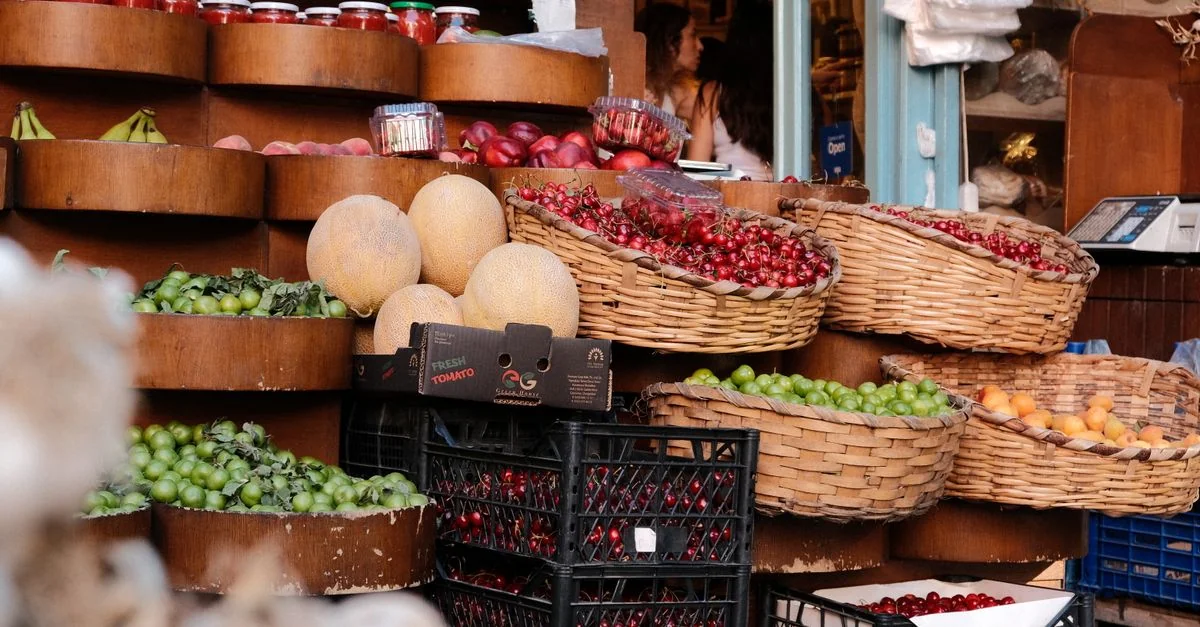
September and October offer a gentle transition back to milder conditions. The sea remains warm enough for swimming well into October, the summer crowds disperse, and local markets overflow with autumn pomegranates and citrus fruits. Accommodation rates drop from their summer peaks, making this shoulder season attractive for travelers seeking value. Winter brings cooler, rainier weather from November through February, during which many resort-oriented businesses close for the season, though the city itself remains active as a permanent residential community.
Where to Stay in Alanya#
Choosing a neighborhood shapes your daily experience of the city, as different districts cater to distinct travel styles. The Center (Downtown) serves as the most convenient base for first-time visitors who want to walk everywhere. Dominated by the commercial core and the eastern beaches, this area offers a range of mid-range apartments and traditional pensions. Staying here places you within walking distance of the municipal museum, the central bazaar, and dozens of cafes, though the streets remain active late into the night with local traffic and socializing.
West of the central peninsula, Kleopatra Beach District stretches along miles of sandy shoreline named after the Egyptian queen who supposedly swam here. This area leans heavily toward mid-range and luxury resort properties, featuring modern high-rises and all-inclusive hotels with direct beach access. It suits travelers prioritizing resort amenities, swimming pools, and organized beach clubs. The atmosphere is international and lively, with broad sidewalks lined with restaurants catering to overseas visitors.
For a quieter, more residential neighborhood, Tepe and Bektaş climb the lower slopes of the Taurus Mountains directly above the city center. This hillside district contains upscale rental villas and boutique boutique-style properties catering to luxury travelers. While you cannot walk directly down to the sand in a few minutes, the elevated position rewards you with panoramic views over the entire coastline and the illuminated fortress at night. A rental car or frequent taxi use is necessary for staying in these heights.
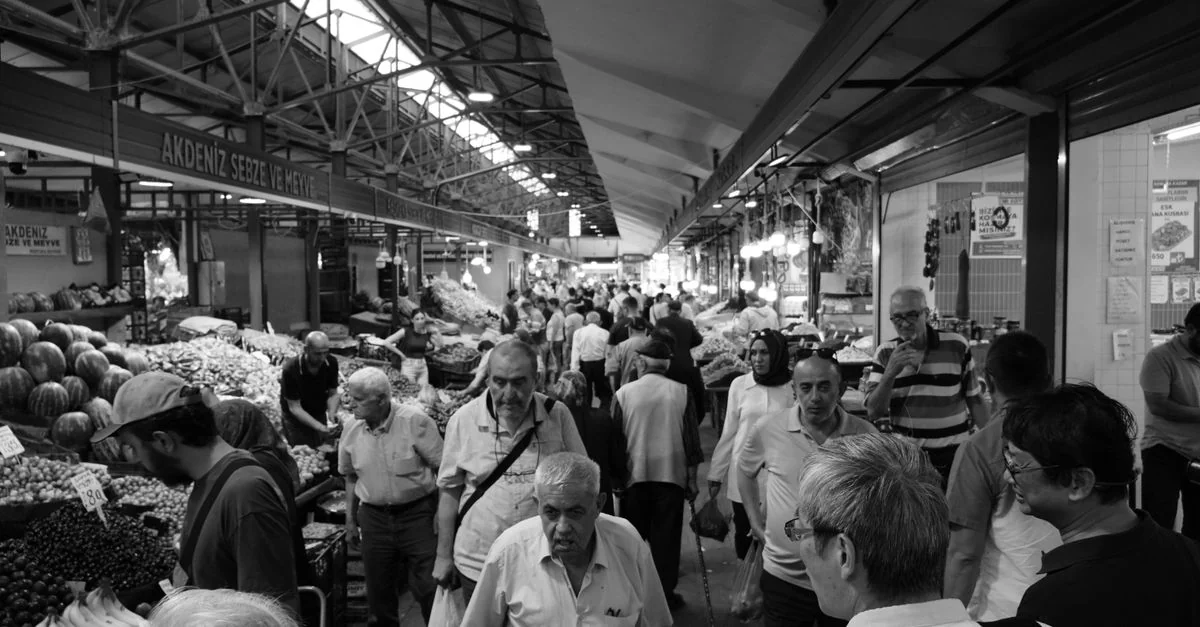
East of the harbor, Mahmutlar offers a budget-friendly alternative for travelers planning an extended stay or those who prefer a suburban coastal atmosphere. Originally an independent agricultural village, this neighborhood now features rows of modern apartment complexes favored by expatriates and budget-conscious vacationers. The beaches are pebbly, but the rental costs drop significantly compared to the central districts, and local markets provide an authentic taste of neighborhood life away from the heavy tourist zones.
Top Things to Do in Alanya#
Rising high above the peninsula, the Alanya Castle (Alanya Kalesi) commands the city and offers the most practical introduction to the local landscape. Constructed largely in the thirteenth century during the Seljuk period, the stone fortifications stretch for miles across the rugged promontory, enclosing historical ruins, old wooden houses, and ancient cisterns. Walking the ramparts requires sturdy footwear, but the effort is rewarded by sweeping views of the coastline stretching toward the distant mountains.
At the base of the fortress near the harbor sits the Red Tower (Kızılkule), an octagonal brick structure that has served as the city’s maritime symbol for centuries. Inside the five-story defensive tower, a small naval museum details the maritime history of the Mediterranean and explains how the structure protected the medieval port from hostile fleets. Just a short walk from the tower, the Seljuk Shipyard (Tersane) reveals vaulted stone docks built directly into the water, allowing visitors to step inside medieval dry docks where wooden warships were once constructed.
Subterranean exploration offers a cool escape from the afternoon sun at Damlatas Cave, discovered accidentally during harbor construction in the middle of the twentieth century. The interior is filled with impressive stalactites and stalagmites, and the cave air maintains a constant temperature and high humidity that locals claim provides relief for respiratory ailments. Directly adjacent to the cave entrance, the Kleopatra Beach shoreline provides a classic stretch of sand where you can rent loungers and swim in the clear coastal waters.
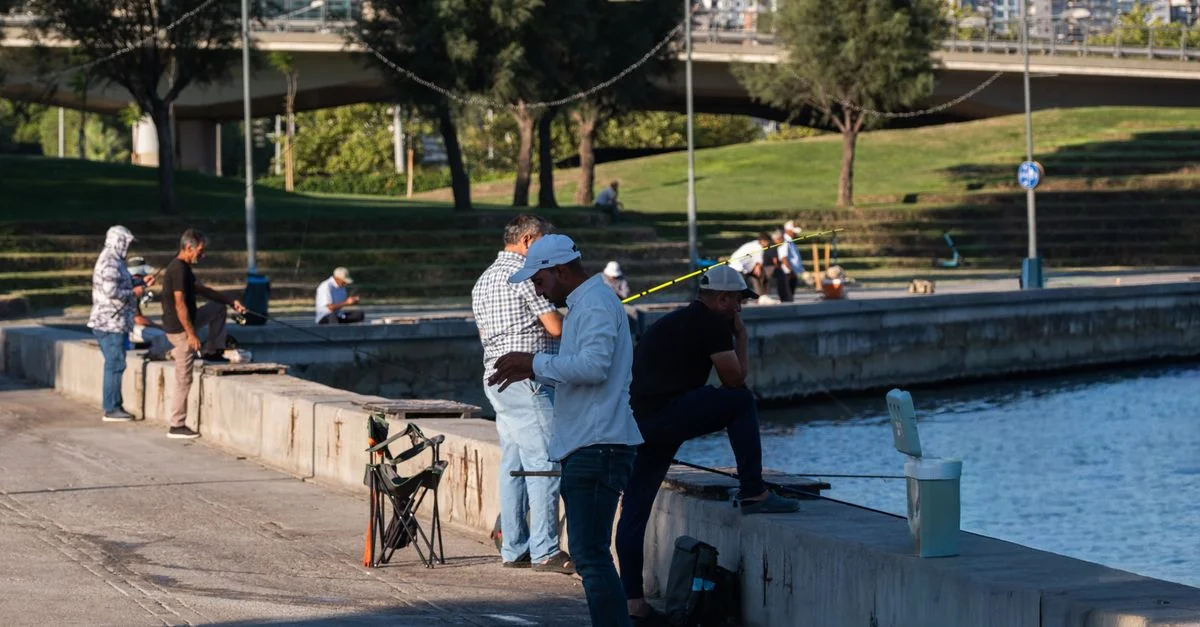
For a change of pace from the historical sites, the Alanya Teleferik cable car whisks passengers from the beach level directly up to the historical castle gates, bypassing the steep winding road while offering aerial views of the harbor and the red-roofed buildings below. Venture slightly inland to Dim River (Dim Çayı) to experience a traditional local pastime. Restaurants and tea gardens are built directly over the rushing, ice-cold mountain water on wooden platforms, where visitors sit on cushioned benches shaded by trees to escape the coastal heat.
Further along the coast, Sapadere Canyon provides an excursion into the Taurus Mountains, where elevated wooden walkways traverse a dramatic gorge carved by snowmelt. Plunging waterfalls and natural rock pools invite the brave to test the chilly water. Back in the urban center, the Alanya Archaeological Museum houses regional artifacts ranging from the Bronze Age through the Roman and Byzantine eras, offering historical context for the ruins scattered across the landscape.
Food and Dining Guide#
Dining in this coastal city reflects a delicious intersection of Mediterranean agriculture and traditional Anatolian cooking methods. Meals typically begin with a selection of cold mezze dishes, featuring fresh herbs, olive oil, yogurt, and local cheeses. Street food vendors and casual neighborhood lokantas offer quick, satisfying meals based on regional staples rather than international fast food.
Among the essential regional dishes, Alanya Tuzu Biberi is not a single dish but a flavor profile defined by local citrus, savory herbs, and mountain thyme. You must try Gülüklü Çorba, a traditional soup featuring tiny meatballs, chickpeas, and rice simmered in a rich tomato and meat broth, often served at weddings and special gatherings. Dim Çayı Alabalığı, or fresh trout sourced directly from the cold mountain streams of the Dim River, is typically grilled over wood coals and served simply with lemon and rocket.
For a hearty main course, Tandır Kebabı features lamb cooked slowly in a sealed underground pit until the meat falls away from the bone with minimal effort. Street-side vendors also serve Lahmacun, often called Turkish pizza, featuring a thin, crispy flatbread topped with minced lamb, peppers, and spices, rolled up with fresh parsley and a squeeze of lemon.
When it comes to dining venues, casual lokantas—traditional cafeteria-style restaurants—offer the best value for midday meals, where you point to trays of prepared vegetable dishes, stews, and rice. For dinner, harbor-facing seafood restaurants provide a scenic setting, though prices run higher due to the location. Neighborhood bakeries are essential morning stops for Simit, a circular sesame-crusted bread ring that pairs well with Turkish tea.
Getting Around Alanya#
Navigating the city is straightforward, thanks to a reliable network of public transport and pedestrian-friendly zones. The municipal bus system, known locally as dolmuş or city buses, connects the center with all major neighborhoods, beaches, and attractions. These buses accept contactless payment cards or local transit passes, and routes run frequently throughout the day and into the evening.
Taxis are readily available at designated stands marked with yellow signs across the city, as well as outside major hotels and attractions. Drivers use meters for standard journeys, but it remains wise to confirm that the meter is running when you start the trip. Taxis offer a convenient option for returning uphill to the mountain neighborhoods after dark when bus frequencies drop.
Walking serves as the best mode of transportation within the historic center, the harbor area, and along the flat coastal promenades. Sidewalks are generally well-maintained, though the steep incline leading up to the castle requires steady pacing and proper footwear. If you plan to explore the surrounding Taurus Mountains, ancient ruins, and hidden canyons outside municipal bus lines, renting a car provides the necessary flexibility. Major international and local rental agencies operate offices in the city center and at the regional airports, requiring a valid U.S. driver’s license and an international driving permit for American motorists.
Budget Breakdown#
Traveling through this Mediterranean destination offers good value compared to Western European hotspots, with costs varying widely based on your comfort tier.
For budget travelers, daily expenses remain modest by staying in simple family-run pensions or suburban apartments, eating at local lokantas and bakeries, and relying on public buses. Activities center around free historical walks, public beaches, and natural sights like the Dim River.
Mid-range travelers enjoy comfortable stays in modern resort hotels or central boutique properties, dine at sit-down restaurants featuring fresh seafood and regional specialties, and mix public transit with occasional taxi rides. This tier comfortably accommodates paid entry to the castle, museums, cable car rides, and guided day trips into the mountains.
Luxury travelers experience the highest tier of service through upscale hillside villas, fine dining establishments overlooking the harbor, private airport transfers, and customized private excursions. Premium beach clubs, spa treatments, and yacht charters elevate the daily spending total, though still generally costing less than comparable luxury experiences in major Western European coastal resorts.
Travel Tips for Alanya#
Language barriers are easily managed in tourist areas, but learning a few basic Turkish phrases like merhaba for hello and teşekkür ederim for thank you goes a long way with local merchants and residents. English is widely spoken in hotels, restaurants, and shops, though older residents in neighborhood markets may only speak Turkish.
Money matters are simplified by the widespread acceptance of credit cards in hotels, restaurants, and larger shops. However, carrying some Turkish lira in cash is essential for small purchases at street food stalls, local markets, and public buses. ATMs are abundant throughout the city center, and using official bank machines helps avoid high conversion fees.
Cultural etiquette in Turkey combines modern secularism with traditional hospitality. When visiting mosques outside of prayer times, dress modestly by covering shoulders and knees, and women should carry a scarf to cover their heads. Tipping is customary in restaurants, where leaving a modest percentage for good service is appreciated by waitstaff.
Safety and health standards are high for travelers, with low rates of violent crime and reliable medical facilities. Tap water is generally considered safe for washing and brushing teeth, but most visitors and locals prefer bottled water for drinking due to the mineral taste of the municipal supply. Sun protection is critical during the warmer months, as the Mediterranean sun is remarkably intense.
Haggling is an expected part of the experience in open-air bazaars and traditional markets, though fixed prices apply in supermarkets, restaurants, and modern retail stores. Approach price negotiations with a friendly smile and a lighthearted attitude, treating the exchange as a social interaction rather than a confrontation.
Electrical adapters are necessary for American travelers, as Turkey uses the standard European two-round-pin plugs operating on 230 volts. Bringing a universal adapter ensures your devices charge without issue, though most modern hotels also provide USB charging ports in rooms.
📌 Disclaimer
Prices, schedules, tour details, flight routes, visa requirements, and all other information on this page are based on data at the time of writing. Fares, availability, and policies may change. Please verify current details on the official website before booking.
📌 More about Alanya