📌 Disclaimer
Prices, schedules, tour details, flight routes, visa requirements, and all other information on this page are based on data at the time of writing. Fares, availability, and policies may change. Please verify current details on the official website before booking.
Why Visit Akureyri?#
The sharp smell of dried fish hangs in the crisp air near the harbor, mingling with the earthy scent of geothermal steam rising from the hillsides. As Iceland ’s unofficial northern capital, Akureyri offers a distinct alternative to the busier tourism hubs in the southwest. Nestled at the base of the long Eyjafjörður fjord, this town balances outdoor adventure with a relaxed northern pace of life, functioning as an ideal base for exploring the dramatic landscapes of the Arctic coast.
Travelers arriving from the United States will find that Akureyri maintains a small-town atmosphere while providing the amenities of a modern urban center. Colorful corrugated iron buildings line the streets, and a striking modernist church dominates the central ridge. The surrounding region features volcanic craters, plunging waterfalls, and geothermal pools that attract far fewer crowds than equivalent sights near Reykjavík. This northern setting allows visitors to experience traditional Icelandic culture, coastal fishing heritage, and subarctic nature without navigating heavy tourist congestion.
Beyond the town limits, the landscapes open into wide valleys carved by ancient glaciers. The midnight sun casts a golden glow across the water during the summer months, while winter brings long, dark nights illuminated by the aurora borealis. Whether planning a week of hiking, soaking in thermal waters, or simply enjoying locally sourced seafood in downtown cafes, a stay in Akureyri delivers a genuine connection to the northern landscapes of the North Atlantic.
Best Time to Visit Akureyri#
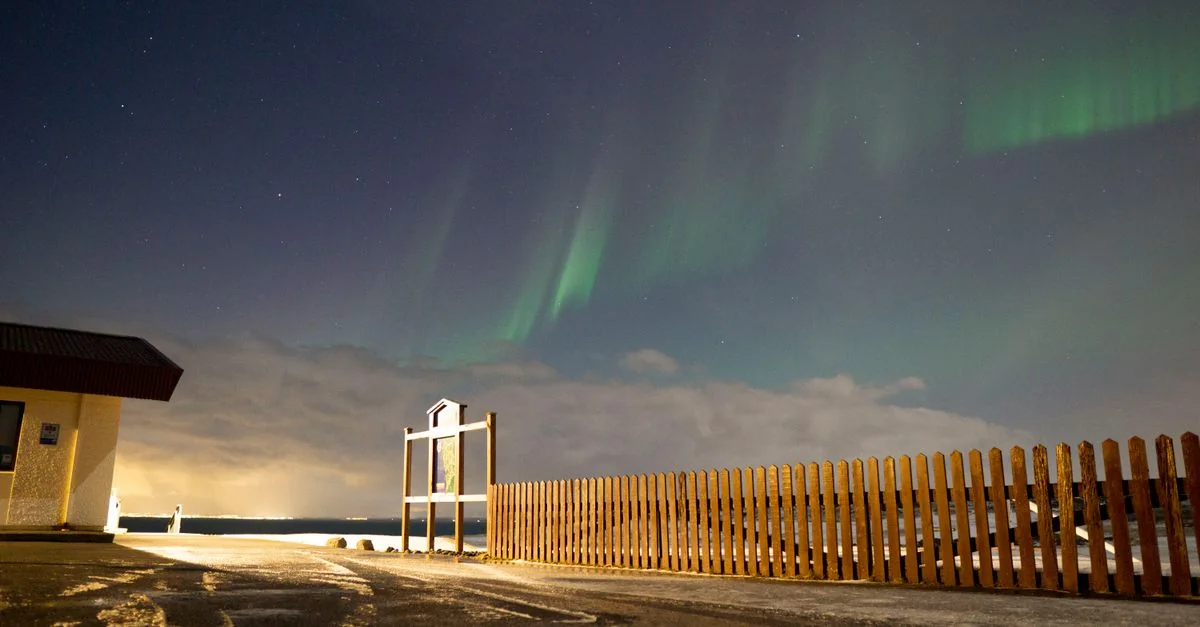
Choosing when to visit Akureyri depends entirely on the type of weather and daylight hours you prefer. Summer, spanning from June through August, brings long hours of daylight, milder temperatures, and fully accessible mountain roads. During June and July, the sun barely sets, allowing for late-night sightseeing and hiking under perpetual twilight. Crowds peak during these summer months, and accommodation prices rise accordingly, making early booking essential for American travelers planning a peak-season trip. Car rental rates and flights also reach their highest annual costs during this window.
Shoulder season months, including May and September, offer a balanced compromise between manageable weather and lower crowd densities. In May, the surrounding peaks still hold snow while green shoots emerge in the lowlands, and September brings the first hints of autumn color along with the early return of the northern lights. Prices for lodging tend to moderate during these months, and roads remain mostly clear of heavy snow, though unpredictable weather can still introduce sudden rain or wind.
Winter stretches from October through April, transforming the region into a snowy landscape well-suited for northern lights viewing and winter sports. December and January feature very short days with only a few hours of twilight, but nights are long and dark, maximizing the chances of seeing the aurora borealis. Travel during this period requires patience, as heavy snowstorms can temporarily close mountain passes. However, winter brings significantly lower prices on accommodation and airfare, and popular geothermal sites are far less crowded than in July.
Where to Stay in Akureyri#
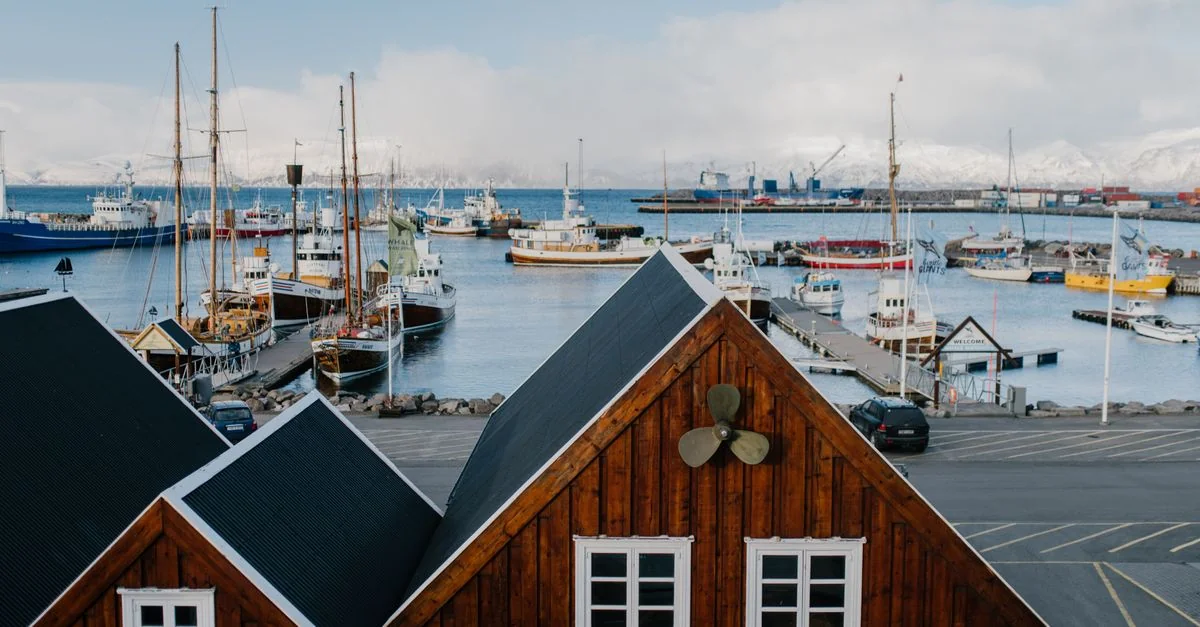
Selecting the right neighborhood in Akureyri shapes your daily routine, as the town is compact yet geographically varied. Staying in the downtown area places you within walking distance of the main shopping street, museums, and waterfront cafes. This central zone offers a range of mid-range apartments and boutique guesthouses, making it convenient for travelers who prefer to walk to dinner rather than drive. Accommodation here tends to command higher rates due to the immediate proximity to amenities, but the savings on local transportation balance the cost.
For a quieter atmosphere, the hillside residential neighborhoods rising above the town center provide sweeping views over the Eyjafjörður fjord. Vacation rentals and modern guesthouses dominate these elevated streets. Budget-conscious travelers can find simpler rooms and shared-facility guesthouses slightly further up the slopes or on the southern edges of town, where prices drop considerably. These outlying areas require a vehicle or a short bus ride to reach the downtown core, but they reward visitors with peaceful surroundings and prime vantage points for spotting the northern lights directly from the doorstep in winter.
Travelers seeking a luxury experience will find upscale properties situated along the fjord or in secluded rural pockets just outside the municipal boundaries. These high-end stays often feature private hot tubs fed by geothermal water, gourmet dining on-site, and floor-to-ceiling windows framing the mountain ranges. While these luxury retreats demand the highest budget tier, they deliver an exclusive environment well-suited for a relaxing week-long retreat.
Top Things to Do in Akureyri#
Begin your week by exploring the heart of the town with a visit to Akureyri Church, whose prominent concrete staircase and tiered facade command views over the entire harbor. Inside, the church houses a unique collection of votive ships suspended from the ceiling, reflecting the maritime history of the region. A short walk away, the Akureyri Botanical Garden showcases thousands of native and foreign plant species that thrive in the surprisingly mild local microclimate, offering shaded pathways and a peaceful cafe housed in a historic wooden building.
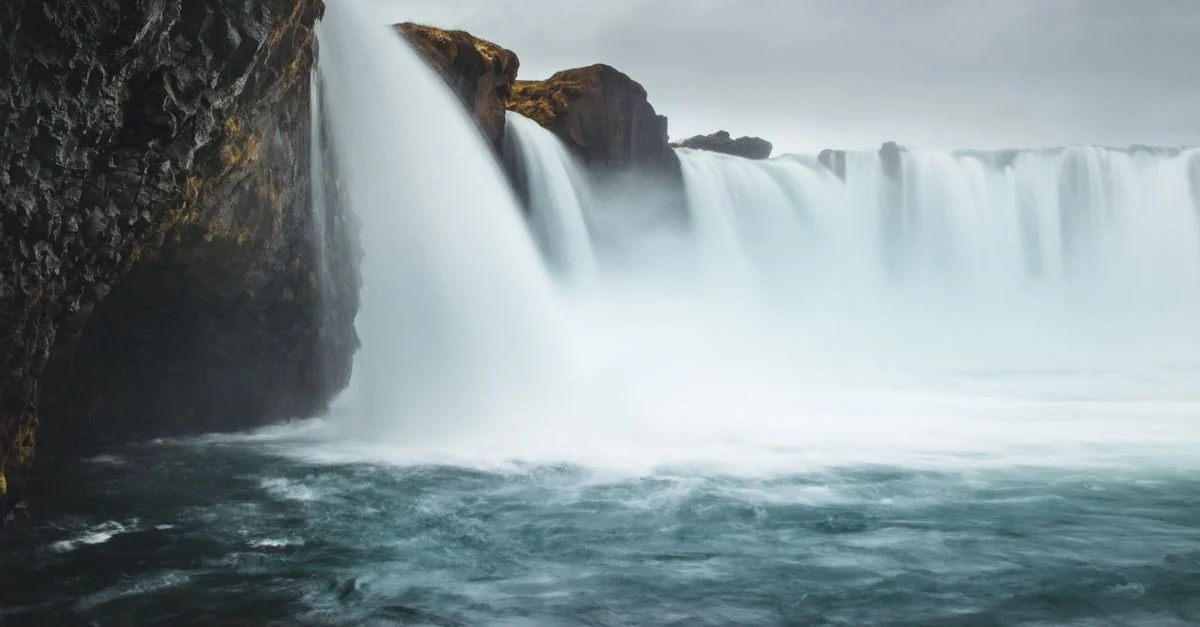
Venture beyond the town center to discover the roaring power of Goðafoss Waterfall, located a short drive east along the main highway. Known as the Waterfall of the Gods, this crescent-shaped cascade drops over a horseshoe rim into turquoise water, carrying deep historical significance related to the conversion of Iceland to Christianity. Continuing further east brings you to the surreal landscape of Lake Mývatn, where volcanic craters, bubbling mud pools, and strange lava formations create an otherworldly environment shaped by centuries of seismic activity.
For relaxation, spend an afternoon soaking in the warm mineral waters of the Mývatn Nature Baths, which serve as a northern counterpart to the famous southern lagoon. These milky-blue pools overlook the stark volcanic horizon and provide a soothing escape after a morning of hiking. Closer to town, the coastal waters of the fjord offer excellent opportunities for Eyjafjörður Whale Watching, where excursions regularly spot humpback whales, minke whales, and occasionally the elusive blue whale against a backdrop of steep mountain walls.
History and culture enthusiasts should make time for the Akureyri Art Museum, which features rotating contemporary exhibitions by Icelandic and international artists in a bright, modern space. Nearby, the Akureyri Museum details local life through historic artifacts, vintage photographs, and reconstructed turf houses. For a more rugged adventure, a day trip to the island of Hrísey in the middle of the fjord provides quiet walking trails, an abundance of nesting bird species, and a glimpse into traditional island fishing communities far removed from the tourist mainstream.
Food and Dining Guide#
The food scene in Akureyri blends traditional preservation methods with modern Nordic culinary techniques, relying heavily on the bounty of the surrounding land and sea. Seafood forms the backbone of local menus, featuring ultra-fresh catches brought directly into the harbor each morning. Dining options range from casual harbor-front kiosks serving classic comfort foods to upscale establishments that reinvent historic recipes with contemporary flair.
When exploring local specialties, start with Arctic Char, a freshwater fish native to the icy rivers and lakes of the north. Its delicate flavor is typically pan-seared with butter and herbs or lightly smoked. Another regional favorite is Plokkfiskur, a traditional fish stew made from boiled white fish, potatoes, onions, and white sauce, mashed together and baked with a cheesy crust. This comforting dish has sustained northern families for generations and appears on many traditional lunch menus.
For meat lovers, Icelandic Lamb is globally renowned for its tender texture and distinct herbal flavor, resulting from sheep grazing freely on wild mountain herbs and berries throughout the summer. It is commonly served roasted, slow-braised, or as part of hearty soups. Street food enthusiasts will easily find the ubiquitous Icelandic Hot Dog, a unique blend of beef, pork, and lamb served on a soft bun with crispy onions, raw onions, sweet brown mustard, and a remoulade sauce.
Casual bakeries and cafes scattered throughout the downtown area provide excellent pastries, sourdough breads, and local rye bread baked using geothermal heat beneath the earth. For dinner, mid-range and luxury restaurants along the main pedestrian street focus on seasonal tasting menus that highlight local game, foraged berries, and artisanal cheeses produced on nearby farms.
Getting Around Akureyri#
Navigating Akureyri and its surrounding region is relatively straightforward, but transportation requires careful planning based on your itinerary. Within the town center, walking is the most efficient and enjoyable way to explore shops, museums, and restaurants, as the core is compact and pedestrian-friendly. For longer distances within municipal boundaries, the town operates a free public bus system that covers the major residential neighborhoods and commercial areas.
Taxis are available for hire near the central square and at the airport, but they operate at premium rates, making them best suited for late-night journeys or airport transfers when public transport options are limited. Ridesharing apps common in the United States do not operate in this region, so traditional taxi dispatch numbers are necessary if you need a ride from a remote location.
For American travelers planning to explore the waterfalls, geothermal areas, and fjords outside the town limits, renting a car is essential. Rental agencies operate out of the local airport and downtown offices, offering both standard passenger cars and four-wheel-drive vehicles. A standard car is sufficient for summer travel on paved highways, but winter visitors or those venturing onto gravel mountain tracks must secure a reliable four-wheel-drive vehicle to navigate ice and snow safely. Always check road conditions and weather forecasts daily before starting on any regional day trips.
Budget Breakdown#
Planning financial expectations for a week in Akureyri helps ensure a smooth trip, as Iceland generally carries higher costs than mainland Europe or North America . Accommodation spans a broad spectrum, with budget travelers utilizing simple guesthouse rooms with shared bathrooms or hostel beds. Mid-range travelers typically secure private hotel rooms or well-equipped apartments in the town center, while luxury seekers book upscale boutique properties or secluded geothermal lodges with private hot tubs.
Dining costs vary depending on your preferences. Budget travelers can significantly reduce expenses by purchasing groceries at local supermarket chains and preparing meals in guesthouse kitchens, supplemented by an occasional local hot dog or bakery pastry. Mid-range dining involves enjoying casual lunches at cafes and sit-down dinners at neighborhood restaurants featuring fresh fish or lamb. Luxury dining includes multi-course tasting menus paired with imported wines at the town’s top-tier culinary establishments.
Transportation expenses depend heavily on car rental choices. Budget travelers relying entirely on walking and the free local bus network will spend nothing on transit within town, though they may miss out on remote regional sights unless joining organized coach tours. Mid-range travelers split the cost of a standard rental car and fuel for regional excursions to waterfalls and geothermal areas. Luxury travelers opt for high-end vehicle rentals, private guided tours, and occasional taxi services for ultimate convenience.
Activities range from completely free outdoor pursuits, such as hiking coastal trails and admiring waterfalls, to moderately priced entrance fees at botanical gardens, museums, and local swimming pools. Premium activities, including whale watching excursions, guided super-jeep tours into the highlands, and visits to commercial geothermal baths, represent the upper end of the activity budget but provide memorable highlights for the week.
Travel Tips for Akureyri#
Mastering local weather patterns is essential for a comfortable northern trip. Weather Preparedness dictates that you pack layers, including a waterproof outer shell and windproof trousers, as conditions in the north can shift rapidly from bright sunshine to heavy rain and driving wind within a matter of minutes.
Driving in rural areas demands constant vigilance and respect for local infrastructure. Road Safety requires drivers to remain aware of single-lane bridges, blind rises on gravel tracks, and wandering livestock that frequently cross rural roads without warning. Always check official road authority websites each morning before setting out.
Respecting natural environments preserves these landscapes for future visitors. Environmental Etiquette means staying strictly on marked trails in fragile geothermal areas and moss-covered lava fields, as footprints can take decades to heal in the subarctic climate. Never litter, and pack out all personal waste.
Managing financial transactions is remarkably simple throughout the region. Payment Methods favor cards over physical currency, as nearly every business, from restaurants to rural parking meters, accepts credit and debit cards. There is rarely any need to exchange cash into Icelandic króna for a standard trip.
Maximizing daylight hours requires flexible scheduling during both summer and winter extremes. Daylight Management helps prevent fatigue when the midnight sun keeps skies bright past midnight, or conversely, when short winter days limit sightseeing to a few hours of mid-day twilight. Plan your rest and activity periods accordingly.
Understanding tipping customs removes unnecessary stress when dining out. Tipping Culture in Iceland does not include mandatory or expected tips for service staff, as wages are structured to cover service. While exceptional service may be rewarded with a small gratuity, it is never required or expected.
📌 Disclaimer
Prices, schedules, tour details, flight routes, visa requirements, and all other information on this page are based on data at the time of writing. Fares, availability, and policies may change. Please verify current details on the official website before booking.
📌 More about Akureyri