📌 Disclaimer
Prices, schedules, tour details, flight routes, visa requirements, and all other information on this page are based on data at the time of writing. Fares, availability, and policies may change. Please verify current details on the official website before booking.
Why Visit Ajaccio?#
The scent of salt air mingles with the sharp, earthy aroma of wild rosemary and pine as you step off the ferry into the port of Ajaccio . This is not the manicured, polished version of the French Riviera; it is a rugged, sun-drenched outpost where the mountains of Corsica drop dramatically into the Mediterranean. As the birthplace of Napoleon Bonaparte, the city carries a weight of history that feels grounded and authentic, lacking the performative nature of larger mainland tourist hubs. The pace here is dictated by the sun and the siesta, offering a rare opportunity to slow down and observe a culture that fiercely guards its unique identity.
Travelers choose this port city because it serves as the perfect gateway to the wild interior of the island while maintaining the comforts of a seaside capital. You can spend your morning walking through narrow, pastel-colored alleys that echo with the sounds of Corsican dialect and your afternoon on a granite-strewn beach where the water remains cool even in the heat of July. It is a place for those who appreciate the intersection of Italian influence and French administration, resulting in a lifestyle that prioritizes long lunches, late evening strolls, and a deep respect for the natural landscape that surrounds the urban core.
Best Time to Visit Ajaccio#
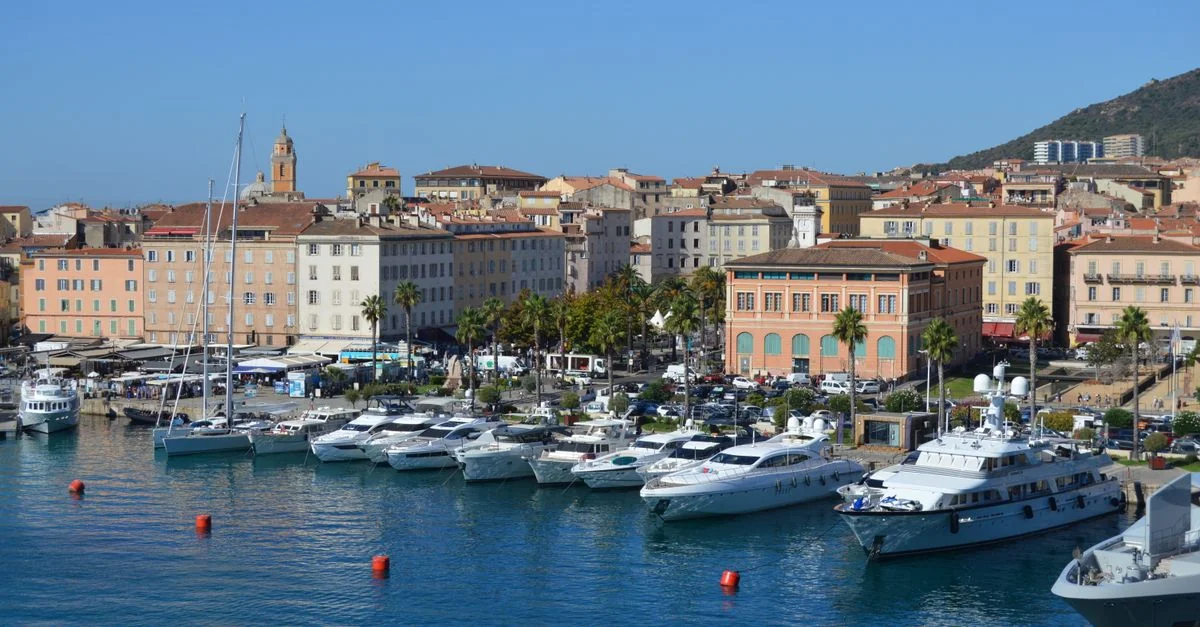
Planning a trip to this part of Corsica requires an understanding of the Mediterranean climate and the local school holiday schedule. May and June are arguably the finest months for a visit, as the landscape is still green from the winter rains and the temperatures remain comfortable for walking tours and hiking. During this window, the crowds are manageable, and the service in cafes and restaurants feels more personal. You will find that accommodation prices are significantly lower than they are during the peak summer months, making it an ideal time for those who want to see the island without the pressure of high-season tourism.
July and August bring intense heat and a surge in visitors, primarily from mainland France and Italy . While the coastal energy is high and every beach club is in full swing, you should expect higher prices and the necessity of booking dinner reservations well in advance. If you prefer a quieter experience, September and early October are excellent choices. The sea remains warm enough for swimming, the air loses its sticky humidity, and the local harvest season begins to influence the menus. Winter is the quietest period, though many businesses in the tourist sector close down for the season, so it is best to stick to the shoulder months to ensure you have full access to the city’s offerings.
Where to Stay in Ajaccio#
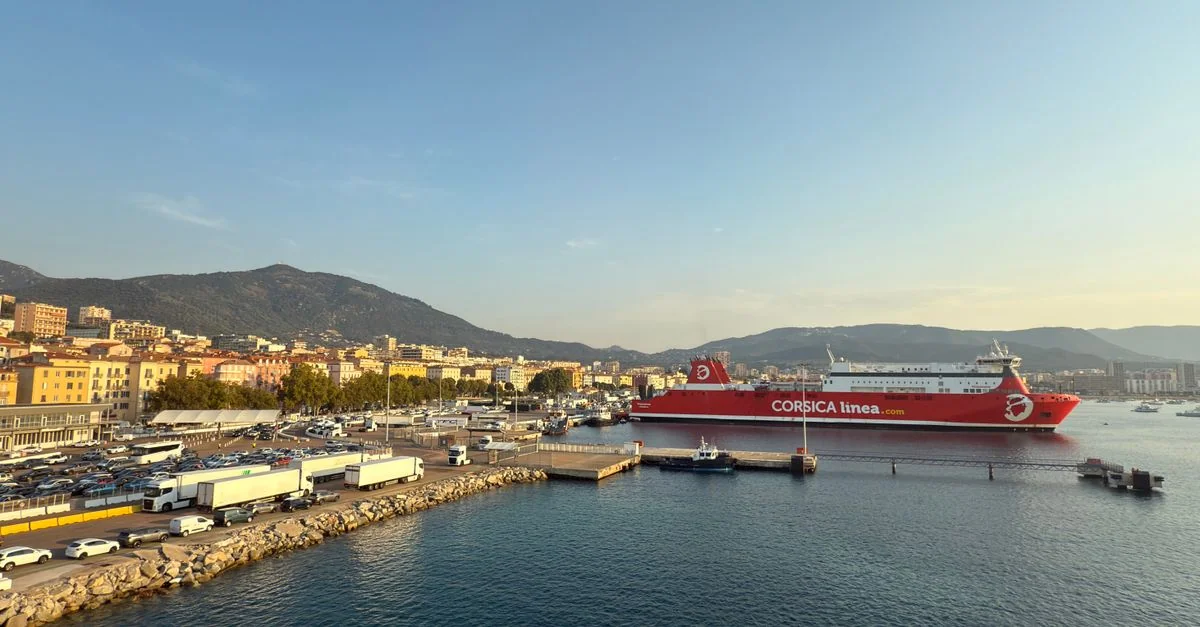
Finding the right neighborhood depends on your preference for accessibility versus tranquility. The Old Town is the heart of the city, characterized by narrow, winding streets and historic buildings. Staying here places you within walking distance of the main market and the harbor, making it ideal for those who prefer not to rely on a car. Accommodations in this area range from modest, family-run guesthouses to renovated apartments that offer a more localized living experience. Prices here reflect the central location, often sitting in the mid-range to luxury category depending on the level of modernization.
If you are looking for a more relaxed, residential atmosphere, the Porticcio area across the bay offers a different perspective. While technically a short drive or boat ride from the center, this district is known for its expansive beaches and modern villas. It is a popular choice for families or those seeking a resort-style vacation with easy access to water sports. You will find a variety of mid-range hotels and vacation rentals here, many of which offer views back toward the illuminated city skyline at night.
For those who prioritize luxury and proximity to the coastline, the Route des Sanguinaires provides a scenic stretch of road leading away from the city center toward the famous islands. This area is home to upscale properties that emphasize space, privacy, and direct access to the sea. Staying along this route usually requires a rental car or reliable taxi service, as it is distanced from the immediate urban center. However, the trade-off is a quiet environment where the sound of the waves is the primary soundtrack to your stay, offering a premium experience away from the urban noise.
Top Things to Do in Ajaccio#
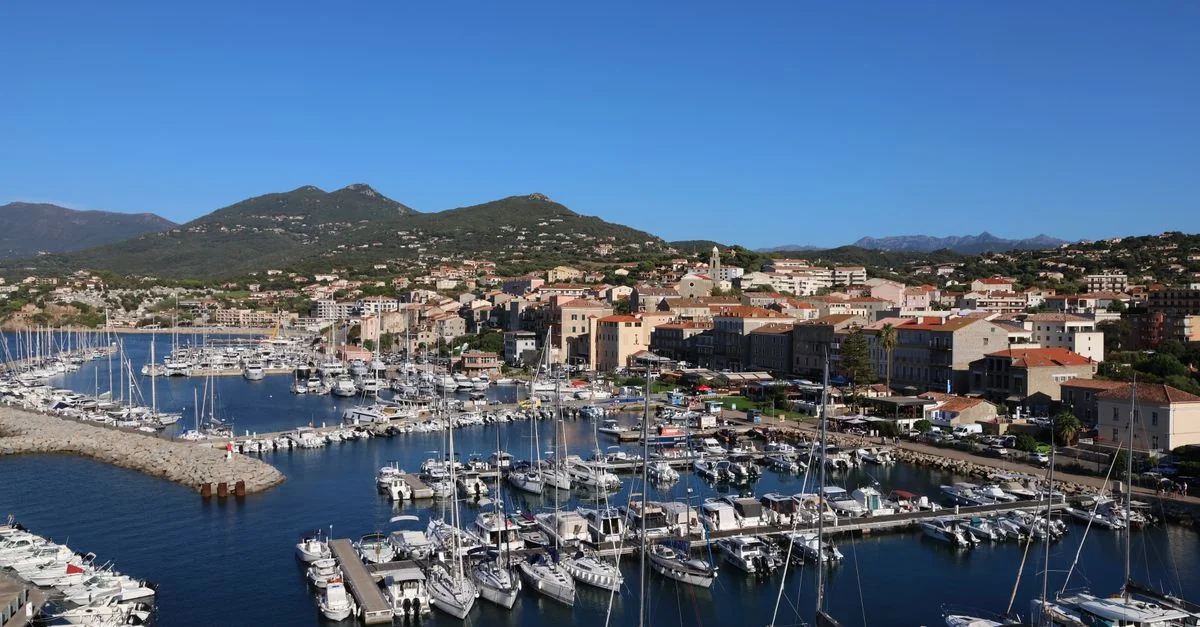
The history of the city is best explored at the Maison Bonaparte, the ancestral home where Napoleon was born. This building provides a glimpse into the life of the Corsican gentry during the late 18th century, with original furnishings and family portraits that anchor the city’s identity. After touring the house, a short walk leads you to the Cathédrale Notre-Dame-de-l’Assomption, where the future emperor was baptized. Its ochre facade and Italian-inspired architecture stand as a testament to the island’s long-standing connection to the mainland.
For a change of pace, head to the Marché Fesch, a covered market where local producers gather to sell the bounty of the island. This is where you can find artisans selling jars of chestnut honey, wheels of sharp sheep’s milk cheese, and cured meats that are unique to the Corsican mountains. It is a sensory experience that defines the local palate. Just a few blocks away, the Musée Fesch houses one of the most significant collections of Italian Renaissance paintings in all of France. The gallery is housed in a grand building that feels like a quiet sanctuary, offering a cool, hushed environment to appreciate works by Botticelli and Titian.
When the afternoon sun reaches its peak, follow the road toward the Îles Sanguinaires. These rocky, crimson-colored islands sit at the entrance to the bay and are best viewed from the Pointe de la Parata. A walking path leads you to a Genoese watchtower that has stood guard over the coast for centuries. The view from the top is expansive, offering a clear look at the jagged coastline and the deep blue expanse of the sea. It is the perfect spot for sunset, when the light turns the rocks a deep, fiery red.
For those who enjoy the water, the Plage du Ricanto offers a long stretch of sand that is easily accessible from the city. It is a favorite among locals for a quick swim or an evening walk. If you prefer something more rugged, the coastal trails near the Capo di Feno provide access to wilder, less developed beaches where the surf is often stronger and the crowds are thinner. These spots capture the raw, untamed spirit of the island, providing a contrast to the manicured squares of the city center.
Food and Dining Guide#
Dining in Ajaccio is a ritual that celebrates the island’s unique blend of mountain and sea. You must start your day with a simple breakfast of local pastries, but save your appetite for the main event: lunch. A staple of the local diet is Charcuterie Corse, a platter of air-dried ham, salamis, and sausages made from pigs that forage on chestnuts and acorns in the interior forests. The flavor is intense and earthy, pairing perfectly with a glass of crisp local white wine.
When you sit down for a meal, look for Veau aux Olives, a slow-cooked veal stew that highlights the island’s pastoral traditions. The meat is tenderized over several hours with local olives and herbs, resulting in a dish that feels like a home-cooked meal. For seafood lovers, Aziminu is the local version of a bouillabaisse. It is a hearty fish soup made with the catch of the day, saffron, and tomatoes, served with crusty bread and a spicy garlic spread known as rouille. It is a messy, communal dish that demands a long, slow pace of eating.
For a lighter option or a quick snack, seek out Fiadone, a traditional cheesecake made from brocciu, a fresh sheep or goat milk cheese. It is light, lemony, and not overly sweet, making it the perfect finish to any meal. Street food culture is less about carts and more about small bakeries and delis. You will find that the best way to eat is to visit a local epicerie, pick up a selection of cheeses and fresh bread, and head to a quiet park or beach for a picnic. The quality of ingredients is consistently high, so you rarely need to look for fancy restaurants to find a memorable meal.
Getting Around Ajaccio#
Navigating the city is relatively straightforward, though the geography dictates your choices. The city center is highly walkable, with most of the historical sites, shops, and restaurants concentrated within a compact grid. You will find that walking is the most efficient way to soak up the atmosphere and discover the small details of the architecture. If you plan to stay within the urban core, you will not need a car for your daily activities.
Public transportation exists in the form of a bus network that connects the center to the outlying suburbs and the nearby beaches. While the buses are reliable, they operate on a schedule that may feel restrictive if you are trying to maximize your time. Taxis are available at central stands and can be hailed or booked through local services; they are a convenient option for getting to and from the airport or for reaching the beaches along the Route des Sanguinaires without the stress of parking.
If you intend to explore the interior of Corsica or visit the smaller coastal villages, renting a car is essential. The island’s terrain is mountainous and winding, and public transit does not reach the more remote hiking trailheads or interior valleys. Be prepared for narrow, cliffside roads that require patience and steady nerves. If you do rent a car, ensure you have a compact model, as parking in the city center is limited and the streets are often tight.
Budget Breakdown#
Your daily budget will vary significantly based on your travel style, but Ajaccio offers options for a range of travelers. For those on a budget, expect to spend between $80 and $120 per day. This covers a stay in a basic guesthouse or hostel, meals consisting of market finds and casual bakeries, and reliance on walking or public buses. You can keep costs down by focusing on free activities like hiking the coastal paths and visiting the public beaches.
Mid-range travelers should budget between $150 and $250 per day. This allows for a stay in a comfortable, centrally located hotel or a well-appointed apartment, daily meals in sit-down restaurants, and the occasional taxi or rental car for day trips. This budget tier offers the best balance of comfort and flexibility, allowing you to enjoy the occasional glass of local wine or a guided excursion without constant financial monitoring.
For a luxury experience, expect to spend upwards of $400 per day. This budget provides access to high-end boutique hotels along the coast, private transfers, and dining at the city’s most acclaimed restaurants. At this level, you can also incorporate private boat tours to the nearby islands or guided historical tours of the city. Regardless of your budget, the cost of groceries and local goods remains relatively stable, meaning you can always supplement your travel plan with local market treasures.
Travel Tips for Ajaccio#
Language awareness is a helpful starting point for any visitor. While French is the official language, you will frequently hear Corsican spoken in markets and among locals. Learning a few basic phrases in French, such as a greeting when entering a shop, goes a long way in fostering a friendly interaction. The residents appreciate when visitors make an effort to acknowledge the local culture, and a simple “bonjour” can change the tone of your entire experience.
Sun protection is a non-negotiable aspect of visiting the Mediterranean. The sun here is stronger than you might expect, especially when reflected off the white granite rocks and the blue water. Even if it feels breezy, the UV index is often high. Pack high-quality sunscreen, a wide-brimmed hat, and sunglasses. If you are planning to hike or spend the day at the beach, bring more water than you think you will need, as the heat can be dehydrating even on shorter excursions.
Parking logistics can be a challenge if you choose to rent a vehicle. During the summer months, spaces in the city center are at a premium. If your accommodation does not provide a private parking spot, look for the public parking garages located near the port. It is often less stressful to park once for the entire day and walk to your destinations rather than trying to navigate the narrow, one-way streets in search of a spot that may not exist.
Dining hours are strictly observed, which is a major adjustment for many American travelers. Most restaurants do not open for dinner until 7:30 or 8:00 PM. If you show up at 6:00 PM expecting a meal, you will likely find the doors locked. Embrace the local rhythm by enjoying an early evening aperitif at a sidewalk cafe, watching the city transition into the night, and then heading to dinner once the kitchen opens. It is a more relaxed way to enjoy the evening.
Respecting the environment is vital when visiting the more remote coastal areas. The landscape around the islands and the Capo di Feno is fragile. Always carry out any trash you bring with you, stay on marked trails when hiking to avoid damaging the native vegetation, and never remove rocks or shells from the beach. The beauty of the region is preserved through the care of those who visit, and leaving no trace ensures these areas remain pristine for others.
Cash availability is something to keep in mind, especially when visiting the local markets or smaller, family-run cafes in the interior. While credit cards are widely accepted in the city center and larger establishments, smaller vendors often prefer cash. Carrying a small amount of Euros will save you the trouble of hunting for an ATM when you want to buy a jar of honey or a quick snack. Most ATMs are located near the main banks in the center of town.
📌 Disclaimer
Prices, schedules, tour details, flight routes, visa requirements, and all other information on this page are based on data at the time of writing. Fares, availability, and policies may change. Please verify current details on the official website before booking.
📌 More about Ajaccio