📌 Disclaimer
Prices, schedules, tour details, flight routes, visa requirements, and all other information on this page are based on data at the time of writing. Fares, availability, and policies may change. Please verify current details on the official website before booking.
Why Visit Aarhus?#
The scent of salt air mingles with the faint, sweet aroma of freshly baked cinnamon rolls as you step off the train at the central station. Aarhus , Denmark ’s second-largest city, manages to balance the scale of a manageable town with the intellectual energy of a major university hub. While Copenhagen draws the international spotlight, Aarhus offers a more grounded, approachable look at Danish life. It is a place where medieval architecture meets sharp, modern design, and where the pace of life encourages you to slow down rather than rush from one site to the next.
What truly sets the city apart is its commitment to human-scale urban planning. You can navigate the core of the city entirely on foot or by bicycle, passing through narrow cobblestone lanes that open suddenly into wide, light-filled plazas. The locals possess a quiet warmth, and the city’s geography—nestled between the deep waters of the Aarhus Bay and the rolling forests of the interior—means you are never more than a few minutes away from a natural escape. It is a destination for travelers who prefer authenticity over polished tourist traps.
Best Time to Visit Aarhus#
Planning your trip depends largely on how much cold you are willing to tolerate in exchange for fewer crowds. The summer months of June, July, and August offer the most reliable weather, with long days that stretch into late evening. During this window, the city feels alive, with outdoor cafes filling the sidewalks and local festivals taking over the public squares. Expect higher prices for accommodation during these months, and be prepared to book your stay well in advance if you plan to visit during the height of the school holiday season.
For those who prefer a quieter pace, the shoulder seasons of May and September provide a pleasant compromise. The weather remains mild enough for walking tours and outdoor dining, but the surge of summer visitors has subsided. Prices for lodging tend to drop slightly, and you will find it much easier to secure tables at popular restaurants without a reservation. If you choose to visit during the winter months of November through February, you will encounter the true Danish concept of hygge. While the days are short and the temperatures chilly, the city glows with festive lights and indoor warmth. Traveling in winter is the most budget-friendly option, though you should pack heavy layers to handle the damp, coastal winds.
Where to Stay in Aarhus#
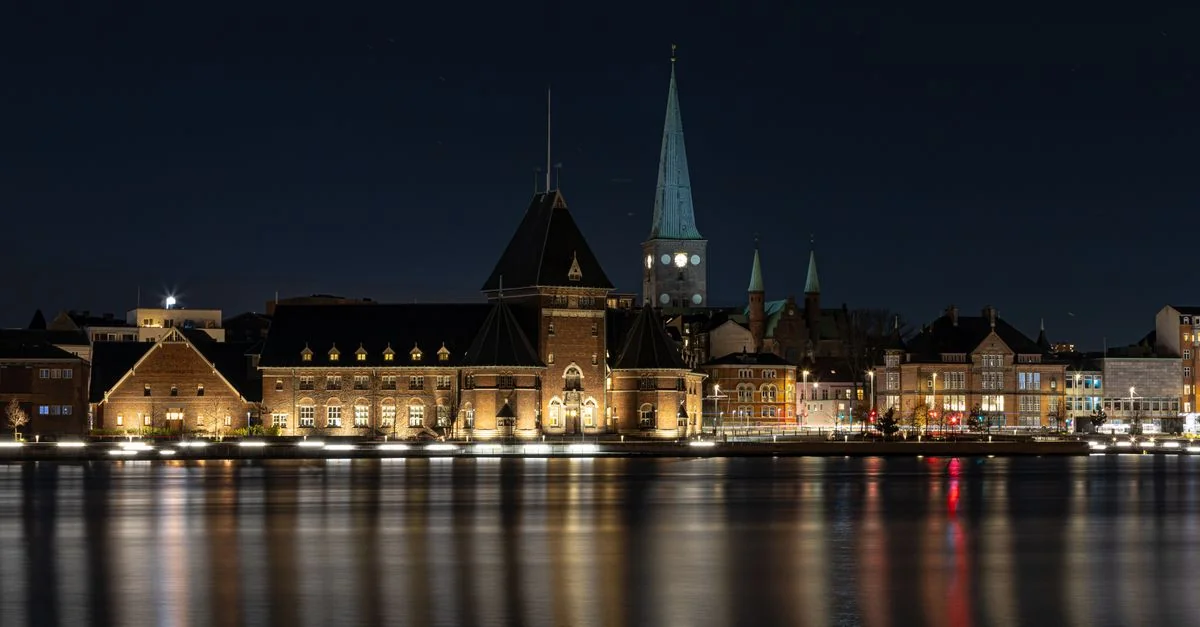
The Latin Quarter is the oldest part of the city and arguably the most charming area for a first-time visitor. Characterized by narrow, winding streets and timber-framed buildings, this neighborhood puts you within walking distance of the primary shopping streets and historical sites. You will find a mix of boutique guesthouses and mid-range apartments here. It is the ideal spot if you enjoy stepping out of your front door directly into a scene of cafes and independent shops.
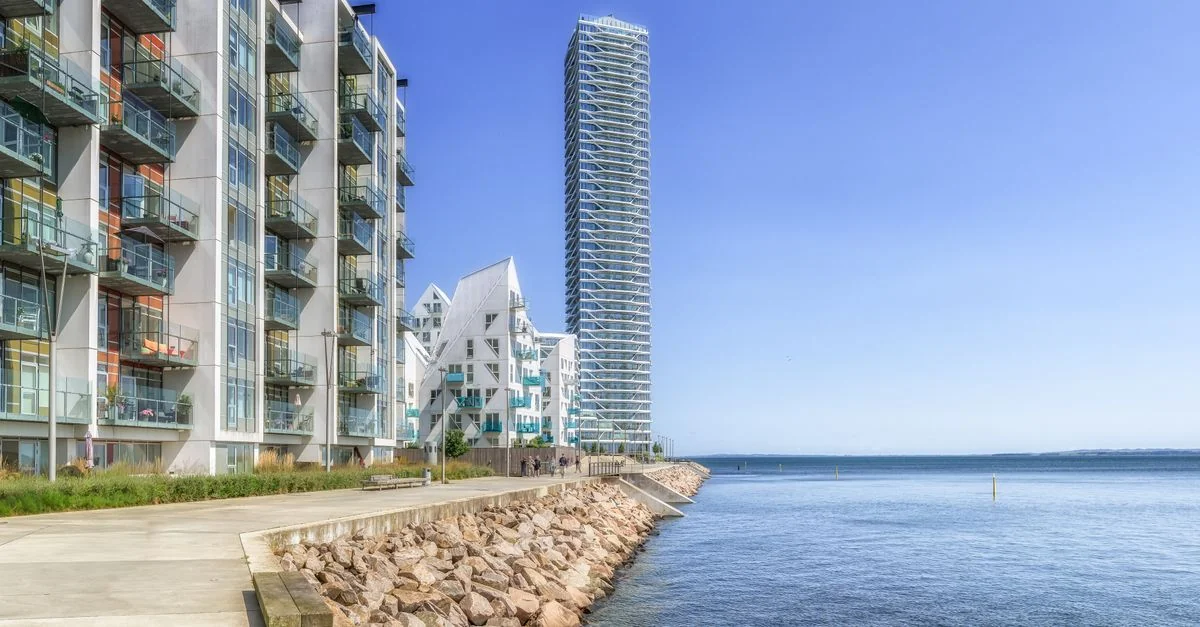
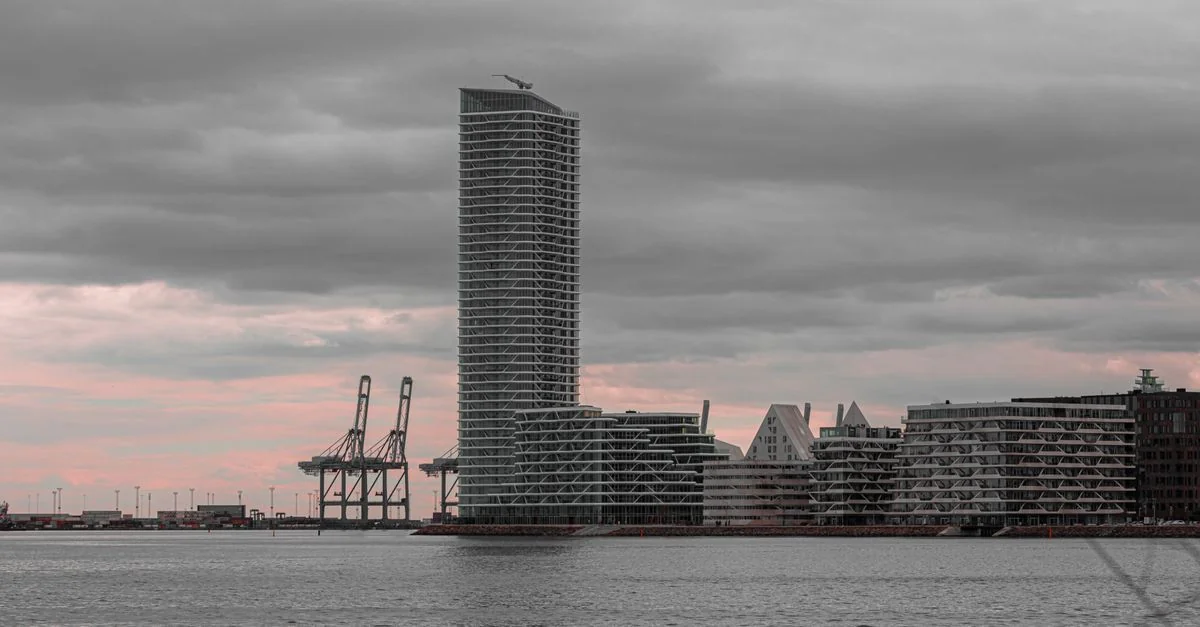
For those seeking a more modern atmosphere, the Aarhus Ø district is a reclaimed harbor area that showcases the city’s architectural ambition. This neighborhood features striking high-rise residential buildings and innovative design projects. It is a quieter, more spacious part of town, perfect if you prefer a contemporary aesthetic and proximity to the water. Lodging options here lean toward modern apartment rentals and upscale suites, generally commanding a premium price due to the views and the newer infrastructure.
If you are traveling on a tighter budget or prefer a more residential feel, the Frederiksbjerg neighborhood is an excellent choice. Located just south of the main train station, this area is known for its wide boulevards, local markets, and a high density of excellent eateries. It is a favorite among locals, providing a more authentic glimpse into daily life in Denmark. You can find a variety of mid-range hotels and smaller guest rooms that offer better value for your money compared to the high-demand city center.
Top Things to Do in Aarhus#
Your exploration should begin at Den Gamle By, an open-air museum that functions as a living history lesson. It features over 75 historic buildings moved from across the country, reconstructed to represent a Danish market town through different centuries. Walking through these streets, you can enter shops and homes furnished exactly as they were in the 1800s or the mid-1900s, providing a tangible sense of how the culture has evolved.
For a shift toward the contemporary, head to the ARoS Aarhus Art Museum. This massive institution is easily identified by the circular, rainbow-colored glass walkway atop its roof. The permanent collection is extensive, but the real draw is the panoramic view of the city you gain while walking through the spectrum of colors. The museum serves as a central pillar of the local cultural scene and is a must-see for anyone interested in modern design.
Not far from the museum, you will find the Aarhus Cathedral, which stands as a testament to the city’s long history. It is the longest and tallest church in the country, and its interior is surprisingly airy and bright. If you have the energy, climbing the tower offers a perspective on the city’s layout that you cannot get from the ground. Afterward, take a stroll through the Botanical Garden, a sprawling green space that houses a spectacular glass-domed greenhouse. It is a quiet place to wander, even on days when the weather is less than ideal.
History enthusiasts should make time for the Moesgaard Museum, located a short drive or bus ride south of the city center. The building itself is a masterpiece of modern architecture, with a grass-covered roof that you can walk upon. Inside, the exhibits focus on human evolution and Viking history, presented with top-quality technology and storytelling. The surrounding forest trails are just as impressive as the museum displays, leading down toward the coastline.
To see the city from a different angle, spend time at the Aarhus Docklands. This area has been transformed from an industrial port into a public space where you can rent kayaks or simply sit by the water. Nearby, the Dokk1 library serves as more than just a place for books; it is a community hub with interactive installations and a sprawling outdoor play area that is popular with families. If you find yourself in the city during the warmer months, the Ballehage Beach offers a chance to join the locals for a quick dip in the bay, a practice that remains popular even when the water is brisk. Finally, don’t miss the Marselisborg Palace, the summer residence of the Danish Royal Family. While the palace itself is often closed to the public, the surrounding gardens are open when the royals are not in residence and provide a serene environment for an afternoon walk.
Food and Dining Guide#
Danish food is rooted in quality ingredients and simple preparation. A staple you will encounter everywhere is Smørrebrød, an open-faced sandwich served on dense, dark rye bread. These are topped with everything from pickled herring and roast beef to fresh shrimp and egg. For a solid local experience, look for a lunch spot that specializes in these sandwiches and pair yours with a local craft beer.
If you are looking for a quick, satisfying meal, the Pølsevogn, or sausage wagon, is a cultural institution. You can grab a Rød Pølse, the iconic bright red Danish hot dog, served with crispy fried onions, pickles, and a tangy remoulade sauce. It is the ultimate street food and a perfect snack while moving between sights. For a more substantial dinner, seek out a restaurant serving Stegt Flæsk, which is crispy fried pork belly served with boiled potatoes and a creamy parsley sauce. It is widely considered the national dish and is the definition of comfort food.
For those with a sweet tooth, keep an eye out for Wienerbrød, often referred to as a Danish pastry. These flaky, buttery treats come in many varieties, usually filled with custard, almond paste, or fruit preserves. The local bakery scene is exceptional, and grabbing a pastry and a coffee to enjoy on a park bench is a daily ritual for many residents. If you prefer a more diverse range of options, the Aarhus Central Food Market is a great place to sample various local and international cuisines in a relaxed, communal setting. It is perfect for groups who cannot decide on one type of food, as you can pick from different stalls and sit together in the center.
Getting Around Aarhus#
Aarhus is remarkably compact, making it one of the most walkable cities in Europe . Most of the primary attractions are clustered within a reasonable distance of one another. However, when your feet grow tired, the city offers an efficient public transit system. The light rail, known as the Letbane, connects the city center to the northern suburbs and the university, while a practical network of buses covers the rest of the urban area.
Taxis are readily available at designated stands near the train station and major hotels, but they are significantly more expensive than public transit. It is worth noting that ride-sharing apps are less common in Denmark than in the United States , so relying on the bus or your own two feet is the most practical approach. If you plan on visiting the Moesgaard Museum or other sites slightly outside the city limits, the bus service is reliable and easy to navigate using digital apps or contactless payment cards. Rental cars are generally unnecessary and often a hindrance, as parking in the city center is limited and costly. If you want to travel like a local, consider renting a bicycle for a day. The city is designed with extensive bike lanes that make cycling safe and efficient, allowing you to cover more ground than you would on foot.
Budget Breakdown#
Aarhus can be managed on a variety of budgets, though Denmark is generally a higher-cost destination. For budget travelers, daily costs typically start around $80–$120 per day. This assumes you are staying in shared hostel dorms or budget-friendly guesthouses, eating primarily at street food stalls or grocery stores, and relying on walking or public transit.
Mid-range travelers should expect to spend between $180–$250 per day. This budget allows for a private room in a centrally located hotel or apartment, a mix of casual cafe meals and one nice dinner out, and the use of museum passes or occasional taxi rides. You will have more flexibility to enjoy the local coffee culture and visit paid attractions without worrying about the cost of every ticket.
Luxury travelers will find that daily costs can easily exceed $400 per day. At this level, you can secure high-end suites in the most desirable neighborhoods, dine at upscale restaurants featuring local ingredients, and book private tours or car services for excursions outside the city. Regardless of your budget, keep in mind that the local currency is the Danish Krone, and while credit cards are accepted almost everywhere, it is always wise to have a small amount of cash for small vendors or markets.
Travel Tips for Aarhus#
Language is rarely a barrier in Aarhus, as the vast majority of Danes speak excellent English. You will find that signs, menus, and museum information are often provided in both Danish and English. While learning a few basic phrases like “thank you” or “hello” is appreciated, you will have no trouble navigating the city entirely in English.
Tipping is not expected in Denmark in the same way it is in the United States. Service charges are typically included in the price of your meal or hotel stay. While it is perfectly acceptable to leave a small tip for exceptional service in a sit-down restaurant, there is no social pressure to do so, and you should never feel obligated to leave a percentage-based tip on every transaction.
Water quality in Denmark is among the best in the world. You do not need to purchase bottled water; simply carry a reusable bottle and fill it from any tap. It is clean, refreshing, and tastes better than most bottled alternatives. This is a simple way to save money and reduce your plastic waste while traveling.
Safety is a highlight of visiting Aarhus. The city is very safe, and violent crime is extremely rare. Even late at night, you will find the streets to be peaceful. That said, standard travel precautions apply, especially in crowded areas like the train station or popular tourist squares, where pickpockets may occasionally operate. Keep an eye on your belongings, but do not let concerns about safety distract you from enjoying the city.
Alcohol laws are relatively relaxed, and you will see locals enjoying a beer in public parks or along the harbor. However, public intoxication is generally frowned upon. If you choose to drink, do so responsibly and be mindful of the local atmosphere. Many of the best social experiences in the city happen in the smaller, neighborhood bars where you can strike up a conversation with locals.
Connectivity is excellent throughout the city. Most cafes, libraries, and public spaces offer free, high-speed Wi-Fi. If you rely on your phone for navigation and translation, you will find that the city is well-covered, though it is always a good idea to download offline maps before you arrive to ensure you never lose your way.
📌 Disclaimer
Prices, schedules, tour details, flight routes, visa requirements, and all other information on this page are based on data at the time of writing. Fares, availability, and policies may change. Please verify current details on the official website before booking.
📌 More about Aarhus