📌 Disclaimer
Prices, schedules, tour details, flight routes, visa requirements, and all other information on this page are based on data at the time of writing. Fares, availability, and policies may change. Please verify current details on the official website before booking.
Why Visit Aalborg?#
The smell of roasted rye bread and salty air drifts off the Limfjord as morning cyclists cross the sleek stainless steel bridge connecting the city to the northern shores. Located in the Jutland region of Denmark , Aalborg manages to balance its heavy industrial past with a surprisingly sharp eye for modern design and public art. Smokestacks that once powered the city’s cement and tobacco factories now loom over gleaming university spaces, cutting-edge art galleries, and waterfront street food markets.
American travelers often bypass the northern stretches of Denmark in favor of Copenhagen ’s postcard-perfect canals or Aarhus ’s historic streets, which leaves Aalborg feeling remarkably authentic and unhurried. You will not find massive tour buses crowding the sidewalks here. Instead, daily life unfolds at a pleasant Danish pace, where locals gather by the water to drink draft beer in the evening sun or wander through half-timbered merchant houses that date back to the Renaissance.
What makes this destination truly rewarding is its scale. It is large enough to offer top-quality museums, an innovative dining scene, and late-night pubs, yet compact enough to explore entirely on foot or by bicycle. The transition from gritty industrial hub to cultural powerhouse gives the city an edge that sets it apart from more traditional Scandinavian destinations, offering a genuine look at contemporary Danish life without the heavy tourist markup.
Best Time to Visit Aalborg#
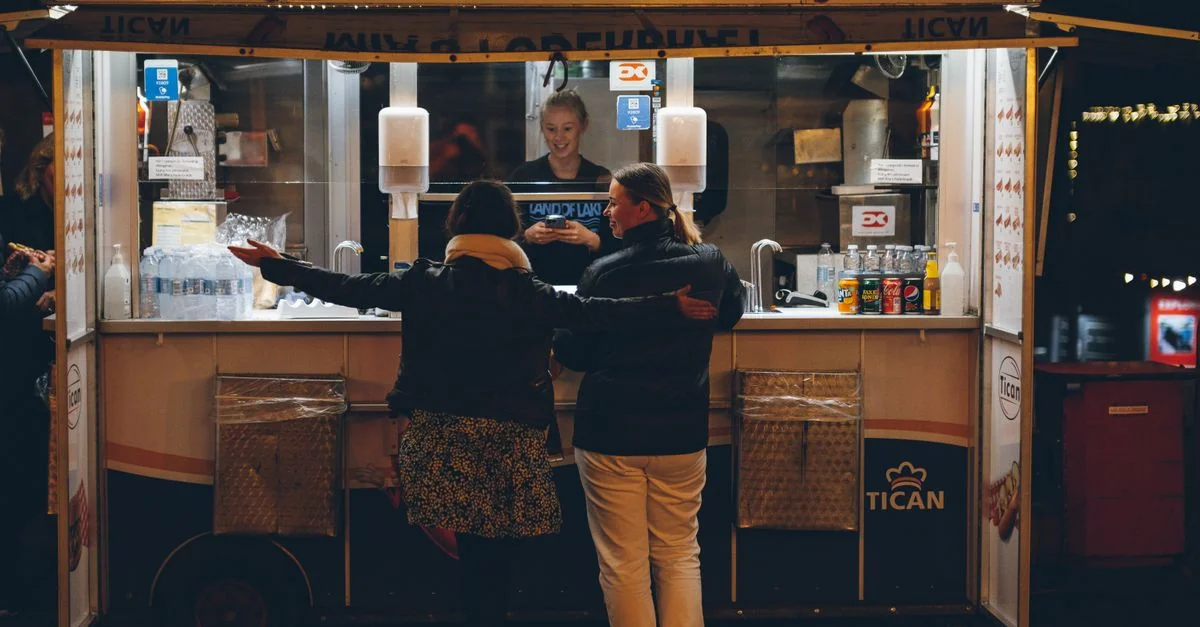
Choosing when to visit depends heavily on how much daylight and warmth you prefer during your travels. Summer, running from June through August, brings long days where the sun barely dips below the horizon before midnight, casting a golden glow over the Limfjord well past ten o’clock. Temperatures hover comfortably in the sixties and low seventies Fahrenheit, making it ideal for outdoor festivals and café culture. July is the peak month for European tourism, meaning accommodation rates are at their highest and popular waterfront patios will be packed with locals and visitors alike.
Spring, spanning April and May, offers a quieter alternative with blooming parks and gradually lengthening days. While the weather can remain crisp, requiring a windproof jacket, prices for flights and lodging tend to stay moderate. This shoulder season rewards travelers who do not mind cooler temperatures and want to explore the streets without dodging crowds.
Autumn arrives in September and October, bringing amber foliage to the city parks and a dramatic shift toward cozy indoor gatherings known locally as hygge. Prices drop significantly after the summer rush, but daylight hours shorten rapidly, and November can feel quite gray and damp. Winter brings freezing temperatures, occasional snow, and very short days, but December transforms the historic center into a festive wonderland with traditional holiday markets, mulled wine, and glowing street lights that make the chilly evenings feel exceptionally warm.
Where to Stay in Aalborg#
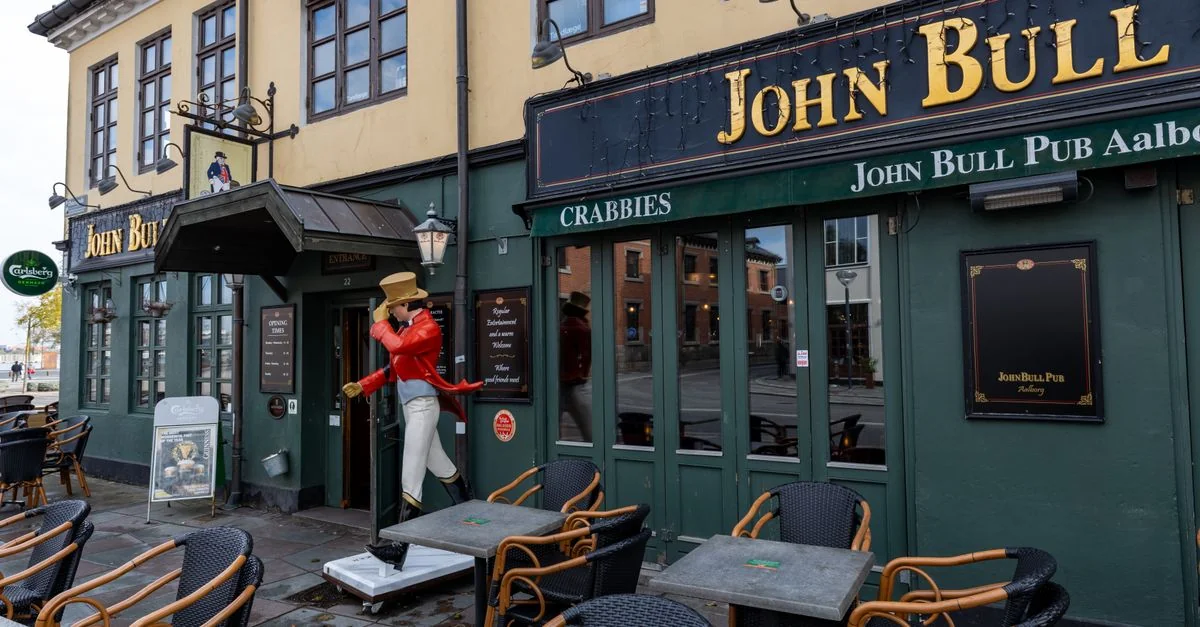
Choosing the right neighborhood shapes your daily experience, and the city offers distinct districts depending on your travel style and budget. The historic core, known as Centrum, places you within walking distance of the main pedestrian streets, medieval churches, and lively plazas. Accommodations here range from upscale boutique properties housed in converted historic buildings to mid-range chain hotels equipped with modern Nordic minimalism. Staying in the center means you can easily stumble home after dinner at a local bistro or step right out into the Saturday morning farmers market.
Just north of the railroad tracks, the Vestbyen neighborhood offers a residential, laid-back atmosphere favored by creative locals and families. While lodging options here are slightly more limited, you will find charming vacation rentals and mid-range apartments tucked away on quiet leafy streets. This area sits right next to the harborfront swimming zone and trendy industrial parks, giving it a youthful, neighborhood feel while keeping you connected to the center by a short walk or bike ride.
For a more contemporary waterfront experience, the Østre Havn district showcases the city’s modern architectural ambitions. Recently redeveloped from an industrial docklands area into a sleek neighborhood of glass-fronted apartments and sustainable housing, this district features stylish mid-range to upper-scale accommodations with panoramic views of the water. It is quieter than the historic core, yet populated by excellent bakeries, coffee shops, and design-forward public spaces.
Travelers on a tighter budget will find good value in the Kastetvej corridor west of the center, where guesthouses and simpler bed-and-breakfast operations offer comfortable rooms without the city-center price tag. This area feels thoroughly local, filled with independent grocery stores, corner pubs, and easy access to the sprawling green spaces of Kærby Skov and nearby parks.
Top Things to Do in Aalborg#
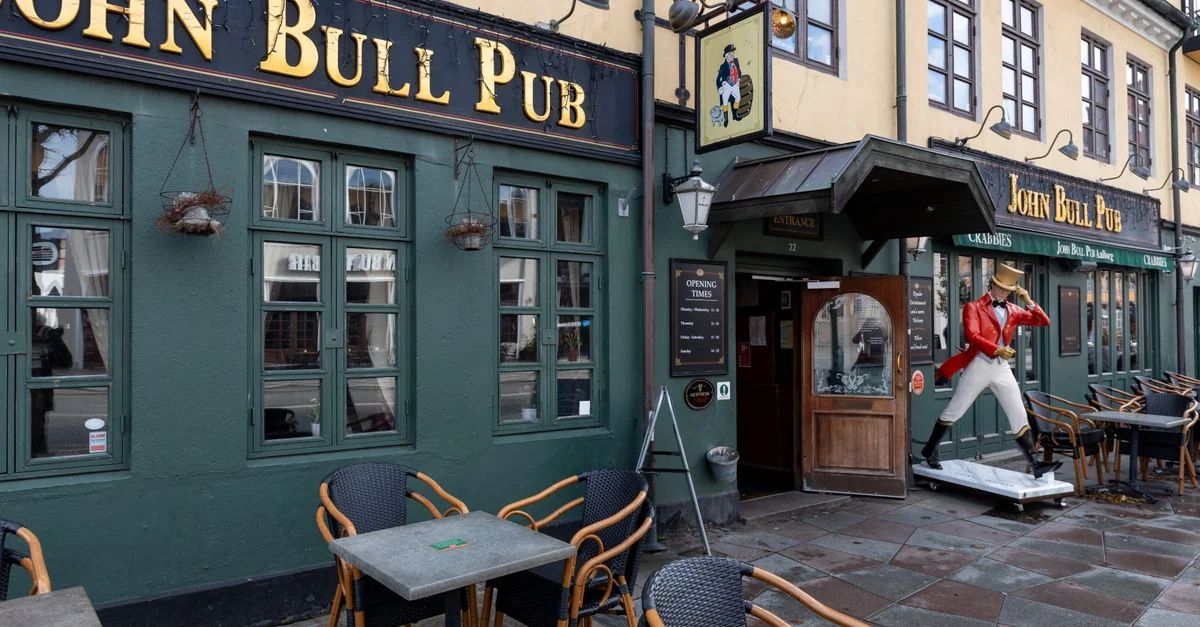
A walk through town inevitably leads to Jens Bangs Stenhus, an architectural masterpiece built by a wealthy merchant in the early seventeenth century. This imposing stone structure stands as a testament to the Dutch Renaissance style, featuring ornate gables, sandstone figures, and carved stone faces peering down from the facade at modern shoppers walking along the pedestrian strip. Just a short stroll away stands Aalborgtårnet, a lattice observation tower rising high above the flat landscape. Taking the old-fashioned open-air elevator to the top rewards you with sweeping views across the Limfjord, the surrounding agricultural plains, and the patchwork rooftops of the historic center.
Art enthusiasts will find a top-quality institution at KUNSTEN Museum of Modern Art, housed in a striking white marble building designed by renowned Finnish architect Alvar Aalto. The permanent collection focuses on Danish and international modern art, while the surrounding sculpture park integrates outdoor installations seamlessly with the rolling green lawns and pine trees. For a journey further back in time, Lindholm Høje sits just across the water on a windswept hill overlooking the fjord. This archaeological site and museum preserves one of Scandinavia’s largest and best-preserved burial grounds from the late Iron Age and Viking era, where hundreds of stone ship settings mark the graves of ancient warriors.
Architecture lovers should not miss Utzon Center, situated right on the waterfront. Designed by Jørn Utzon, the Danish architect famous for the Sydney Opera House, this lively cultural center hosts rotating exhibitions on architecture, design, and boat building, all housed inside a building that celebrates organic forms and maritime heritage. Afterward, you can cross the plaza to explore Musikkens Hus, a gleaming concert hall clad in white concrete and glass that brings a striking geometric contrast to the older brick warehouses nearby.
Venture slightly off the traditional tourist path to discover Monastir, a former Carmelite frielry known as Budolfi Land, where quiet cloisters and hidden gardens offer a peaceful escape from the urban streets. Another rewarding lesser-known spot is Karolinelund, a former amusement park that has been transformed into a community-managed creative zone where local artists paint large-scale murals, residents tend urban gardens, and outdoor concerts take place beneath the old roller coaster tracks during the warmer months.
Food and Dining Guide#
The local dining landscape relies heavily on the bountiful harvest of the surrounding farmlands and the cold waters of the North Sea and Limfjord. You cannot visit without sampling traditional smørrebrød, the quintessential Danish open-faced rye sandwiches piled high with cured herring, hard-boiled eggs, remoulade, and fresh dill. For a modern twist on this classic, local lunch spots elevate the humble sandwich into an art form, balancing textures and lively flavors on dense, dark sourdough bread.
Another regional staple is stjerneskud, a decadent seafood dish featuring both steamed and fried plaice fillet laid atop buttered white bread, then smothered with tiny fjord shrimp, smoked salmon, and asparagus. For a comforting evening meal, seek out flæskesteg, the traditional roasted pork with a crackling crust so crisp it makes a distinct crunch with every bite, served alongside boiled potatoes, sweet red cabbage, and a rich gravy made from pan drippings.
When you want a quick bite without sitting down for a formal meal, the massive indoor Aalborg Street Food market housed in an old furniture factory offers dozens of stalls serving everything from gourmet hot dogs made with local pork to spicy Asian street food and wood-fired pizzas. It is a lively, casual spot where locals gather to share long communal tables, sample craft beers from regional microbreweries, and enjoy the relaxed waterfront atmosphere.
For upscale dining, several ambitious kitchens scattered around the historic center and the harborfront reinterpret traditional Scandinavian recipes using hyper-local, seasonal ingredients. These establishments often feature multi-course tasting menus paired with natural wines or aquavit infused with local herbs like bog myrtle and dill. Reservations are essential for these dinner spots, especially on weekend evenings when food enthusiasts travel from all over Jutland to experience the creative menus.
Getting Around Aalborg#
Navigating the city is remarkably straightforward, largely due to its compact size and pedestrian-friendly layout. Most of the primary cultural sites, shopping streets, and restaurants in the historic center sit within a comfortable walking distance of one another, making foot power the most efficient way to absorb the local architecture and street life.
Cycling is practically a religion in Denmark, and the city boasts an extensive network of dedicated bike lanes that make two-wheeled transport both safe and efficient. Visitors can rent traditional bicycles through various municipal bike-share programs or local rental shops scattered near the train station and waterfront. Paved paths extend well beyond the city limits, allowing you to cycle along the shores of the Limfjord or out toward nearby nature reserves without ever having to tangle with heavy automobile traffic.
For longer distances or days when the weather turns inclement, the city’s bus network operates frequent, reliable routes connecting the center with residential neighborhoods, the university campus, and outlying attractions like Lindholm Høje. Tickets can be purchased using contactless credit cards directly on board or through convenient smartphone applications that calculate the best route automatically. Taxis are readily available at designated stands near the railway station and major hotels, though they are significantly more expensive than public transit and rarely necessary for standard urban sightseeing. Renting a car is generally discouraged if you plan to stay strictly within city limits, as parking can be scarce and expensive, but having a vehicle becomes useful if you plan to explore the wild dunes, lighthouses, and fishing villages of the broader North Jutland region.
Budget Breakdown#
Planning your finances for a trip to northern Denmark requires a realistic look at Scandinavian pricing, which tends to run higher than in many parts of the United States . However, smart planning can keep expenses manageable.
Budget travelers can expect daily expenditures to range from $70 to $110 USD per person. This tier relies on staying in clean, comfortable hostel dormitories or simple suburban guesthouses, picking up fresh pastries and coffee from local bakeries, eating casual street food or picnic lunches from grocery stores, and utilizing public buses or walking everywhere. Entry to parks, historical plazas, and certain free museums keeps sightseeing costs very low.
Mid-range travelers typically spend between $150 and $280 USD per day. This comfortable budget covers a private room in a centrally located boutique hotel, sit-down lunches at cozy bistros, a nice dinner at a mid-tier restaurant featuring regional specialties, and moderate spending on museum tickets, bike rentals, and occasional taxi rides when the weather demands it.
Luxury travelers will find daily costs starting around $350 USD and climbing upward depending on upscale hotel choices and fine-dining reservations. At this level, you can enjoy top-tier harborfront suites, multi-course tasting menus paired with fine wines at the city’s best restaurants, private guided tours of Viking historical sites, and the convenience of rental cars or private transit throughout your stay. Tipping is not expected or required in Denmark, as service charges are included in bills, though leaving a small cash gratuity for exceptional table service is always appreciated.
Travel Tips for Aalborg#
Understanding local etiquette and practical logistics ensures a smooth journey through northern Denmark. When it comes to payment methods, virtually everywhere in the city operates on a cashless basis. Credit cards and smartphone payment apps are accepted everywhere, from high-end restaurants to street food stalls and public buses, meaning you rarely need to exchange physical currency into Danish Krone during your travels.
Mastering the local concept of hygge transforms how you experience the city’s cooler moments. This uniquely Danish philosophy centers on creating a warm, cozy atmosphere, enjoying good food and drink with friends, and appreciating simple comforts. Do not hesitate to linger in a candlelit café for hours with a book or join locals sitting outside under patio heaters with woolen blankets provided by the establishment.
When interacting with residents, keep in mind that social etiquette leans heavily toward quiet politeness, personal space, and egalitarianism. Danes are exceptionally helpful and almost universally fluent in English, but they appreciate a calm demeanor and direct, honest communication without excessive outward flashiness or loud disruptions in public spaces.
Pack your wardrobe with weather preparedness in mind rather than strict fashion trends. Coastal weather along the fjord can change rapidly within a single afternoon, bringing sudden breezes, rain showers, and shifting temperatures. Layering is essential, so bring a reliable windproof and waterproof outer jacket, comfortable walking shoes with good grip for cobblestone streets, and sunglasses for bright days by the water.
Finally, familiarize yourself with tipping culture before you arrive. Unlike in the United States, service staff in Denmark receive a stable, living wage negotiated through labor unions, meaning tips are not expected. If you receive truly standout service at a high-end restaurant, rounding up the bill or leaving a modest cash tip is a kind gesture, but it is never treated as a mandatory social obligation.
📌 Disclaimer
Prices, schedules, tour details, flight routes, visa requirements, and all other information on this page are based on data at the time of writing. Fares, availability, and policies may change. Please verify current details on the official website before booking.
📌 More about Aalborg